
Thousands of Kenyans caught up in historical land disputes could see their cases revisited after the National Land Commission (NLC) secured more time to investigate past injustices, with the agency warning that anyone found to have unlawfully acquired public land will face the law.
The commission says it is preparing to tackle approximately 7,000 pending cases, many of which have remained unresolved through previous review processes, as it moves to clear the backlog and push for the implementation of earlier decisions.
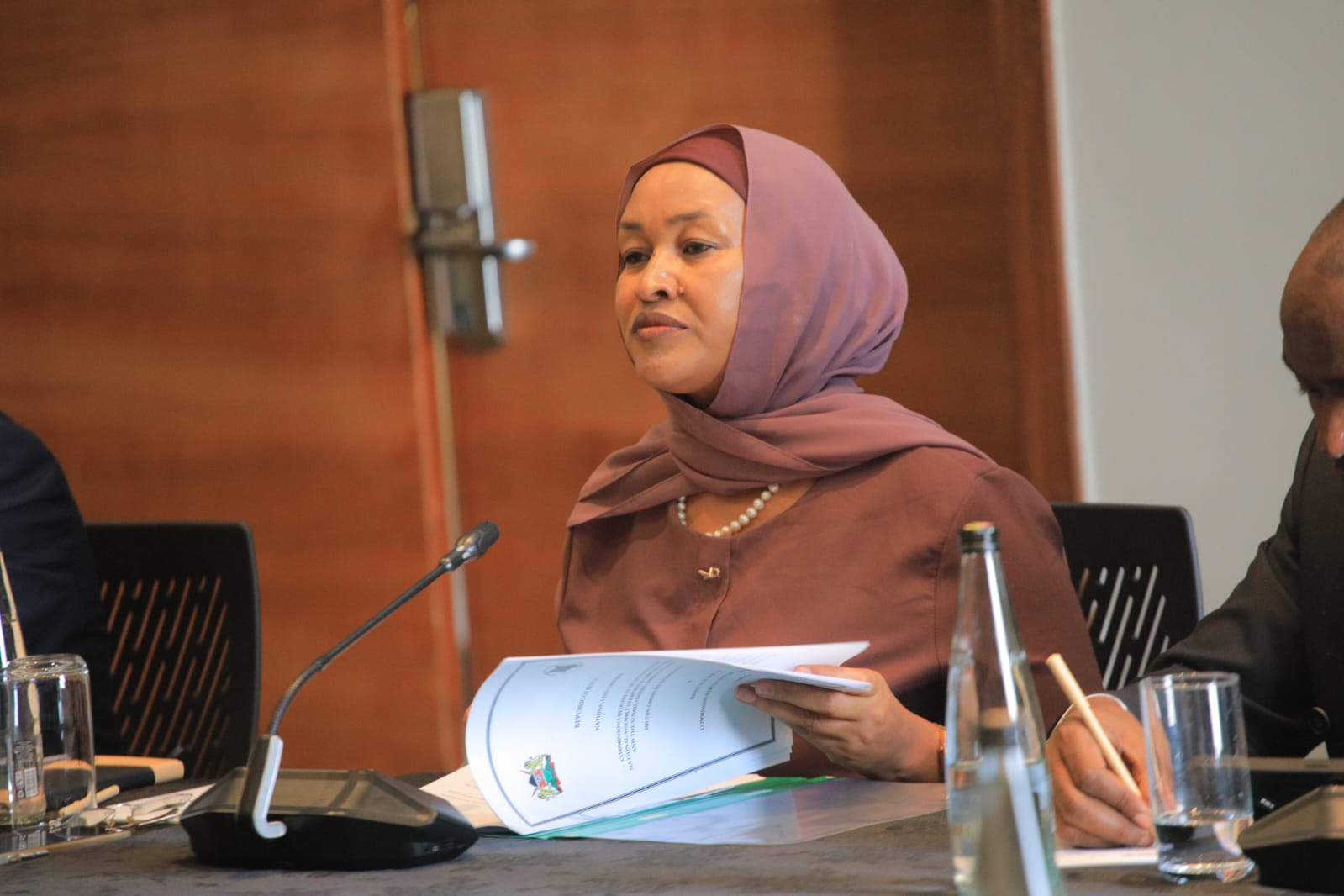
NLC Vice Chairperson Julie Oseko said the commission would give priority to older cases following changes to the law that removed the five-year limit on its mandate to investigate historical land injustices.
She spoke in Kisumu on Tuesday, October 13, 2026, during a public participation forum on the Review of Grants and Dispositions of Public Land Rules, 2026.
Oseko said the amendment to the NLC Act had given the commission room to pursue historical complaints without the deadline that previously restricted its work.
“Luckily enough, last year, Parliament amended the NLC Act and has now given us an open-ended window. So we are not going to be capped anymore,” Oseko said.
Commission prepares to tackle long-standing cases
The 7,000 pending cases are at different stages, according to Oseko, with some yet to be heard, others having undergone partial hearings and several already determined but awaiting full implementation.
She noted that earlier commissions had handled numerous complaints but left some matters unresolved, creating a backlog that the current commission now intends to address.
Oseko also pointed out that recommendations and decisions issued by previous commissions remained binding, meaning outstanding actions could not simply be ignored because they originated under earlier administrations of the commission.
To make progress, the NLC plans to arrange the cases according to priority, starting with older recommendations once the new regulations are released.
“When we start after these regulations come out, we are going to give them in order of priorities. And we’re going to start with the older recommendations so that we remove the backlog,” she said.
The approach is intended to help the commission work through unresolved complaints while giving older cases renewed attention in its efforts to address historical land grievances.
Although the NLC investigates complaints and makes recommendations, Oseko explained that the responsibility for implementing settlement decisions and issuing title deeds rests with the Ministry of Lands.
She said the commission would coordinate with the ministry and other relevant agencies to ensure that recommendations from historical land cases are acted upon and that affected people are settled.
The process requires cooperation between the commission and the government bodies responsible for carrying out its decisions, particularly in cases where determinations have already been made but the required action remains outstanding.
Oseko assured those affected by the disputes that their cases would receive fair consideration as the commission resumes the hearings.
“We are going to start hearing those cases and we’ll hear them fairly,” Oseko assured.
The commission's renewed focus is expected to cover both complaints that have yet to be heard and older cases requiring follow-up to ensure previous recommendations are implemented.
NLC warns against illegal acquisition of public land
Oseko also warned individuals accused of grabbing public land that those found to have committed land-related offences would face legal consequences.
She said the commission would pursue appropriate action through the relevant authorities against people found responsible for unlawful dealings involving public land.
The warning forms part of the commission's wider efforts to improve accountability in public land management and address grievances that have persisted for years.
The review of the Public Land Rules, 2026, is expected to support the NLC's work by strengthening the framework governing public land grants and dispositions while helping address historical complaints.
With the legal time restriction removed, the commission intends to use its expanded mandate to revisit old cases, reduce the pending workload and work with the Lands Ministry and other agencies to secure action on unresolved recommendations.
The outcome will depend not only on the commission's ability to hear the cases but also on the implementation of its decisions by the relevant government institutions.