
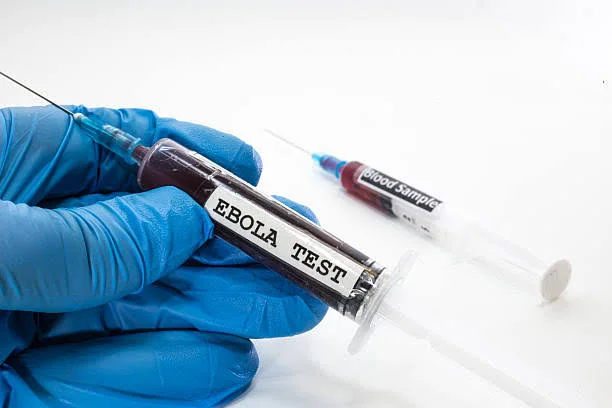
The Kenya Medical Association (KMA) has cautioned Kenyans against stigmatising travellers, healthcare workers and people tested for Ebola, warning that discrimination and misinformation could undermine efforts to contain the disease.
In a public advisory issued by Secretary-General Dr Lyndah Kemunto, the association urged the public to rely on verified information from the Ministry of Health, the World Health Organization (WHO) and qualified health professionals as the country strengthens preparedness measures following the detection of an imported case of Ebola virus disease caused by the Bundibugyo strain.
KMA said stigmatising people who may have been exposed to the disease could discourage them from disclosing symptoms or seeking medical attention, potentially increasing the risk of transmission.
“Do not stigmatize travelers, health workers or people who have been tested; stigma makes people hide symptoms and helps the disease spread,” the association stated.
The warning comes amid public discussions about the safety of gatherings and concerns over the Ebola outbreak. KMA said Kenyans should remain vigilant without creating unnecessary fear or discriminating against individuals based on their travel history or suspected exposure.
The association clarified that the Ministry of Health had confirmed on October 11, 2026, that there were no restrictions on travel, trade, transport or public gatherings.
Weddings, funerals, religious services, conferences, school activities and sporting events can therefore continue, provided basic hygiene measures are observed and temperature checks are conducted at entry points.
KMA, however, urged the public to follow official government updates, noting that the guidance could change depending on the public health situation.
The association also sought to correct misconceptions about how Ebola spreads, explaining that the disease is not transmitted through the air.
Instead, infection occurs through direct contact with the blood or body fluids of a person who is sick with Ebola or has died from the disease. Contact with items contaminated by such fluids can also lead to infection.
“A person without symptoms does not spread it,” KMA said.
The association listed sudden fever, headache, muscle pain, weakness, vomiting, diarrhoea and unexplained bleeding among the symptoms that may indicate Ebola infection.
However, it warned that the symptoms could resemble those of malaria and typhoid, making medical assessment and laboratory testing necessary to establish a diagnosis.
KMA advised people who have travelled from affected areas, been identified as contacts or been near suspected cases to avoid public gatherings if they develop symptoms.
Such individuals should not self-medicate but should contact the Ministry of Health through toll-free line 719 or dial *719# and disclose their travel history to healthcare workers.
The association also urged event organisers to provide handwashing stations or sanitiser, conduct temperature checks and appoint a person to coordinate responses to suspected illnesses and link affected individuals with nearby health facilities.
Members of the public were advised to wash their hands regularly, stay at home when unwell, avoid contact with body fluids and refrain from sharing personal items such as towels, cups and utensils.
KMA issued additional precautions for funerals, urging families not to wash, touch or prepare the bodies of people who die following sudden illness accompanied by fever or bleeding. Instead, they should contact the nearest health facility to facilitate a safe and dignified burial.
The association said Kenya's first imported case had been detected and contacts traced quickly, demonstrating the importance of surveillance and prompt public health action.
It urged Kenyans to cooperate with health officials and avoid circulating unverified messages about the outbreak.
“Simple steps protect us all: wash your hands, stay home when sick, seek care early, and share only verified information,” KMA said.