
People living with mental health conditions should not spend years confined in psychiatric hospitals when they could receive treatment and support in their communities, the World Health Organization (WHO) has said, urging Kenya and other countries to rethink how they care for patients.
The call has brought fresh attention to the situation at Mathari National Teaching and Referral Hospital in Nairobi, where concerns have been raised over patients who have spent many years in the facility, including some who have recovered but remain there because of legal hurdles.
WHO wants countries to reduce dependence on long-term institutional care and invest more in community services that enable people to receive treatment without being separated from their families and daily lives.
The issue of prolonged confinement was brought before Parliament in February 2025, when former Mathari chief executive Julius Ogato disclosed that some patients admitted under court orders had remained in hospital for more than 20 years, despite recovering from their conditions.
Ogato said their release had been complicated by legal procedures requiring additional court directions. This has raised concerns about the difficulties some patients face in leaving psychiatric facilities even after they no longer need to remain there.
The debate also touches on Kenya’s laws governing admission to mental health hospitals, particularly provisions that allow people to be admitted without their consent.
A 2016 report by the Kenya National Commission on Human Rights warned that the law permitted involuntary admission following applications by relatives and, in some circumstances, other individuals.
These concerns come against a wider backdrop of challenges in recognising and treating mental health conditions, particularly in developing countries. Mental illness is still misunderstood in many communities, where it may be associated with curses or witchcraft and surrounded by stigma.
Such attitudes can make it harder for affected people to seek professional help and obtain appropriate treatment.
Ahead of World Mental Health Day on October 10, WHO released a new guide aimed at helping countries change the way they provide care and support to people with mental health conditions.
The guide recommends reducing lengthy stays in psychiatric hospitals and helping patients return to community life, where they can continue receiving treatment while living with their families and taking part in ordinary activities.
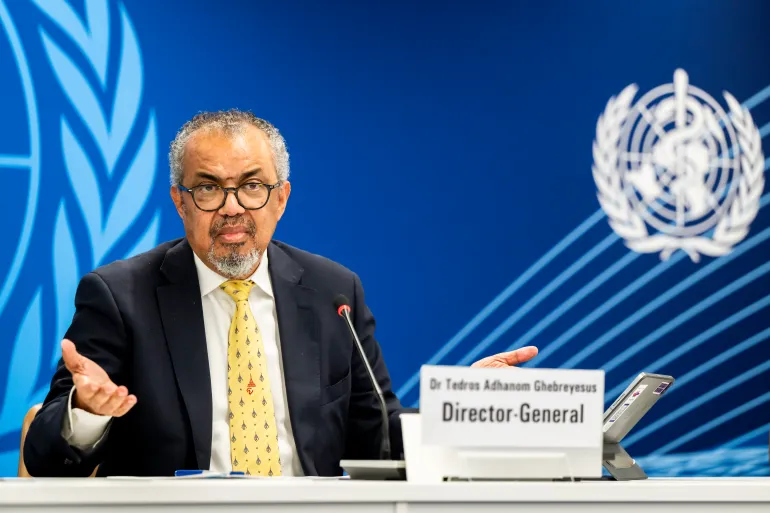
WHO director general Dr Tedros Adhanom Ghebreyesus said access to mental health support should not come at the cost of a person’s freedom, dignity or connection to society.
“People should not have to give up their freedom, dignity or place in their community to receive ongoing mental health support,” he said.
He urged governments to move away from relying on institutions for long periods and instead direct more funding towards services that protect patients’ rights and provide support within their communities.
“Countries must move away from relying on long-term institutional care and accelerate the shift of investments from institutions to rights-based mental health care and support in communities.”
WHO refers to this transition as deinstitutionalisation. It involves supporting people who have spent six months or more in psychiatric hospitals to leave institutional settings and return to their communities with the care they need.
The organisation said nearly half of the people living in large psychiatric hospitals and social care institutions are held against their will for periods ranging from months to years or even decades.
However, WHO has cautioned that ending long hospital stays requires more than discharging patients and sending them back to their homes. People need access to essential services and practical support to help them adjust to life outside institutions.
These services include adequate housing, healthcare, social assistance, education and employment opportunities. Families may also need support to help care for relatives returning home.
Without such arrangements, people may find it difficult to live independently, access treatment or remain safely within their communities. Some may eventually be forced to return to hospitals because the support they need is unavailable.
For Kenya, WHO’s recommendations bring renewed focus to the need to improve mental health services while addressing concerns over involuntary admission, prolonged confinement and the rights of people receiving psychiatric care.
The agency’s position is that people should be able to obtain continued treatment while retaining their dignity, freedom and place in society, rather than spending years in institutions because community-based alternatives are lacking.