
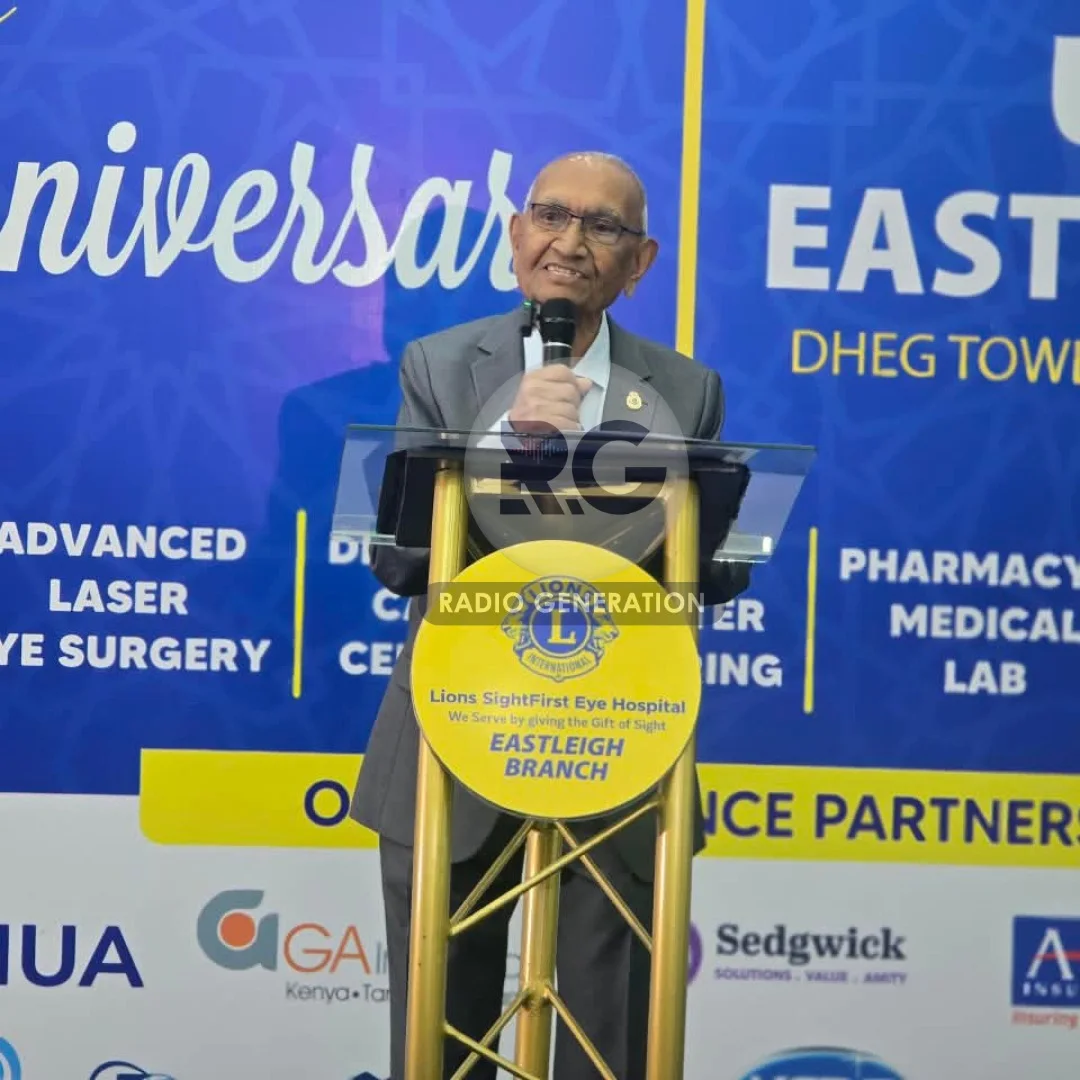
Glaucoma can destroy a person’s sight without obvious warning signs, leaving patients unaware of the damage until their vision is permanently affected, Lions SightFirst Eye Hospital has warned as its Eastleigh branch in Nairobi marks its first anniversary.
The hospital is using the milestone to urge residents to seek regular eye examinations, with specialists stressing that early detection is key to preventing avoidable blindness and identifying other health conditions, including diabetes and high blood pressure.
The anniversary also highlights the hospital’s efforts to make specialised eye care more accessible to residents who previously had to travel to its main facility in Loresho to receive treatment.
Hospital chairman Dr Manilal Dodhia said the Eastleigh branch, classified as a Level Four hospital, was established to meet the healthcare needs of the surrounding community while providing services that can help identify eye problems and other illnesses before symptoms develop.
Speaking during the celebrations, Dodhia said the facility brings several eye care services together, allowing patients to undergo examinations and receive treatment at one centre.
“Here you will find established cataracts, glaucoma, retinal screening, everything at one centre, as well as diabetes and metabolic screening. This eye is the window of our body. A simple test can reveal diabetes, can reveal high blood pressure long before you feel unwell,” Dodhia said.
He urged residents to make regular health checks a priority, noting that early diagnosis of eye conditions could help prevent avoidable blindness. He added that screening could also reveal underlying illnesses, such as diabetes and high blood pressure, before patients begin to feel unwell.
Dodhia also highlighted the branch’s multilingual services, saying staff speak English, Kiswahili, Somali and Arabic. The languages help patients from different backgrounds explain their symptoms and communicate with medical staff, making it easier for them to access the care they need.
International First Vice President of Lions Clubs International Dr Manoj Shah said the decision to establish the Eastleigh branch followed concerns that many residents, particularly members of the Somali community, faced challenges accessing treatment at the main hospital in Loresho.
Shah said the distance and time needed to reach the main facility made it difficult for some patients to obtain adequate care, prompting the hospital to establish a centre closer to their homes.
He said the Eastleigh branch offers a wide range of specialised services, including treatment for refractive errors, cataract surgery, laser treatment, glaucoma management, vitreoretinal care and corneal transplants.
“Our hospital has the solution for any and everything that has got to do with your eyesight,” Shah said, adding that the hospital had invested in specialised doctors and modern equipment to manage different eye conditions.
He said the range of services allows patients to receive care for different eye problems at the same facility, from routine examinations to specialised treatment and surgery.
Shah also raised concerns about diabetes, saying screening at the hospital had found that two out of every 10 people examined were either diabetic or at risk of developing the disease.
He warned that diabetes could damage eyesight if it was not detected and treated early, highlighting the need for patients to combine eye examinations with screening for other health conditions.
Ophthalmologist Dr Rachna Jain said the Eastleigh branch had equipment to support cataract surgery, glaucoma treatment and advanced eye investigations.
Jain warned that glaucoma was particularly dangerous because it could cause irreversible vision loss without clear symptoms in its early stages. She urged residents to undergo eye examinations before their sight began to deteriorate.
“Glaucoma is a condition where the patient is not even aware, and it is usually a blinding disease. It is called a silent vision thief,” Jain said.
Her warning highlighted the danger of waiting until vision problems become noticeable before seeking medical attention, as some eye conditions can cause lasting damage before patients realise anything is wrong.
Beyond consultations and specialised eye procedures, the hospital offers optical products, pharmacy services, laboratory investigations and surgical care, giving patients access to several services under one roof.
Hospital officials said the institution keeps treatment costs affordable through its non-profit model and provides assistance to patients who cannot afford to pay for care.
Shah said the hospital would continue working to provide quality eye treatment at affordable prices as it expands its reach in Eastleigh and neighbouring communities.
As the branch marks its first year, the hospital is highlighting the importance of accessible eye care and encouraging residents to seek regular examinations to protect their sight and identify other health conditions early.