
The World Health Organization (WHO) has warned that more than 117 million people across the Eastern Mediterranean region require humanitarian assistance, as declining international health financing, persistent conflicts and climate-related emergencies threaten access to essential medical services.
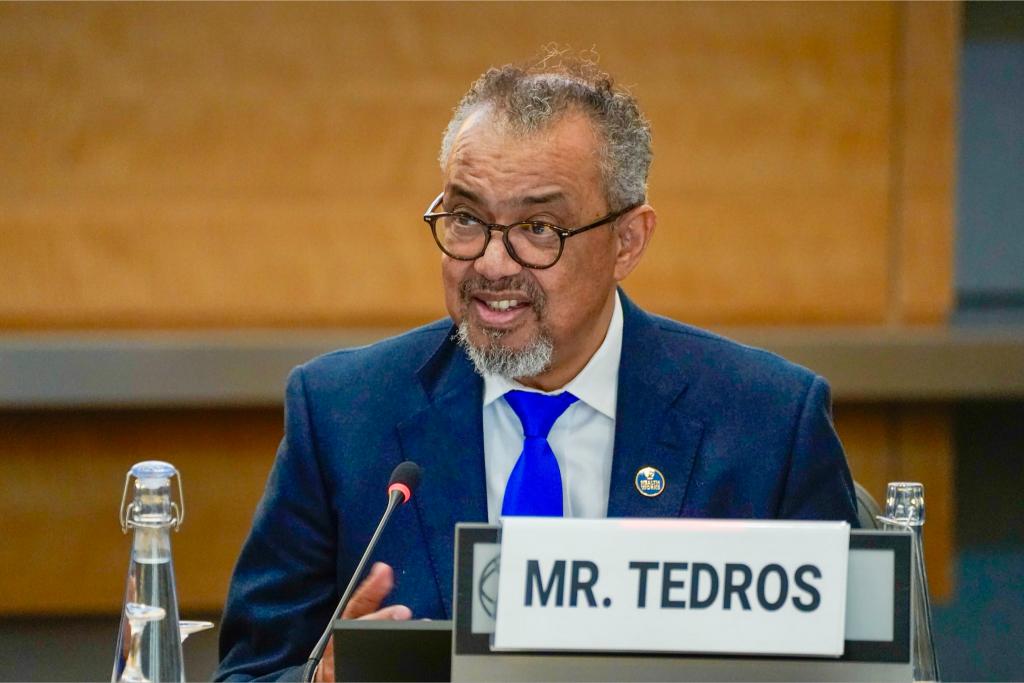
WHO Director-General Tedros Adhanom Ghebreyesus issued the warning during the 73rd session of the WHO Regional Committee for the Eastern Mediterranean on October 13, 2026, urging governments to protect health budgets and strengthen healthcare systems amid mounting humanitarian needs
“The global financing environment has changed dramatically. Official development assistance for health has fallen sharply. Humanitarian funding remains insufficient, and many countries face increasing fiscal constraints at the national level,” Tedros maintained.
He warned that funding shortages were already forcing some countries to reduce healthcare services, scale back programmes and close facilities, with potentially devastating consequences for vulnerable populations.
According to the WHO, the Eastern Mediterranean region faces one of the world's most severe humanitarian crises, driven by conflicts, mass displacement, disease outbreaks and natural disasters.
In a February 2026 report, the organisation estimated that nearly 115 million people in the region would need humanitarian assistance during the year. The figure has since risen above 117 million, highlighting the growing pressure on humanitarian agencies and national health systems.
The WHO said it requires US$633 million to respond to health emergencies across the region in 2026, alongside an additional US$56 million to sustain its regional health emergencies programme.
The funding gap threatens efforts to maintain emergency medical services, strengthen disease surveillance, provide essential medicines and protect populations affected by conflict and displacement.
Tedros warned that the consequences of reduced financing extend beyond hospital budgets, directly affecting patients who depend on routine and specialised treatment.
“When a facility closes, a woman may lose access to skilled care during pregnancy and childbirth. When outreach programmes are suspended, children miss vaccinations and nutrition services,” he maintained.
He added that shortages of essential medicines could interrupt treatment for people living with diabetes, hypertension, cancer and other chronic conditions.
The WHO chief acknowledged progress in reducing maternal and child deaths, expanding immunisation and improving disease surveillance, but cautioned that inequalities persist, particularly in conflict-affected countries.
Non-communicable diseases remain a major public health concern. According to WHO data, these conditions account for approximately 66 per cent of deaths in the Eastern Mediterranean region, claiming more than 2.8 million lives annually.
Cardiovascular diseases, cancers, chronic respiratory illnesses and diabetes account for much of this burden, increasing pressure on already overstretched health systems.
Tedros called for greater investment in disease prevention, early diagnosis and continuity of treatment, alongside stronger primary healthcare services that can provide affordable care closer to communities.
He also highlighted shortages and the uneven distribution of healthcare workers, noting that the region has fewer nurses and midwives per 10,000 people than the global average.
The WHO director-general urged governments to invest in training, leadership and the protection of health workers, describing them as essential to building effective and resilient healthcare systems.
Other priorities include improving access to essential medicines and vaccines, strengthening local production of medical supplies, expanding digital health services and developing sustainable health financing mechanisms.
Tedros further called on member states to align national health priorities with the WHO's 14th General Programme of Work, which focuses on promoting health, providing healthcare and protecting populations from health threats.
He urged governments to strengthen preparedness for disease outbreaks, conflicts and climate-related emergencies, warning that prevention and readiness must remain central to public health planning.
“Preparedness cannot be an afterthought. Preparedness saves lives before emergencies.”
Tedros reaffirmed the WHO's commitment to supporting member states, saying progress remained possible where governments demonstrated leadership, development partners coordinated their efforts, and health remained a political priority.
The warning comes as humanitarian agencies face mounting pressure to deliver life-saving assistance amid shrinking resources, reinforcing calls for sustained international support and stronger domestic investment in healthcare.