
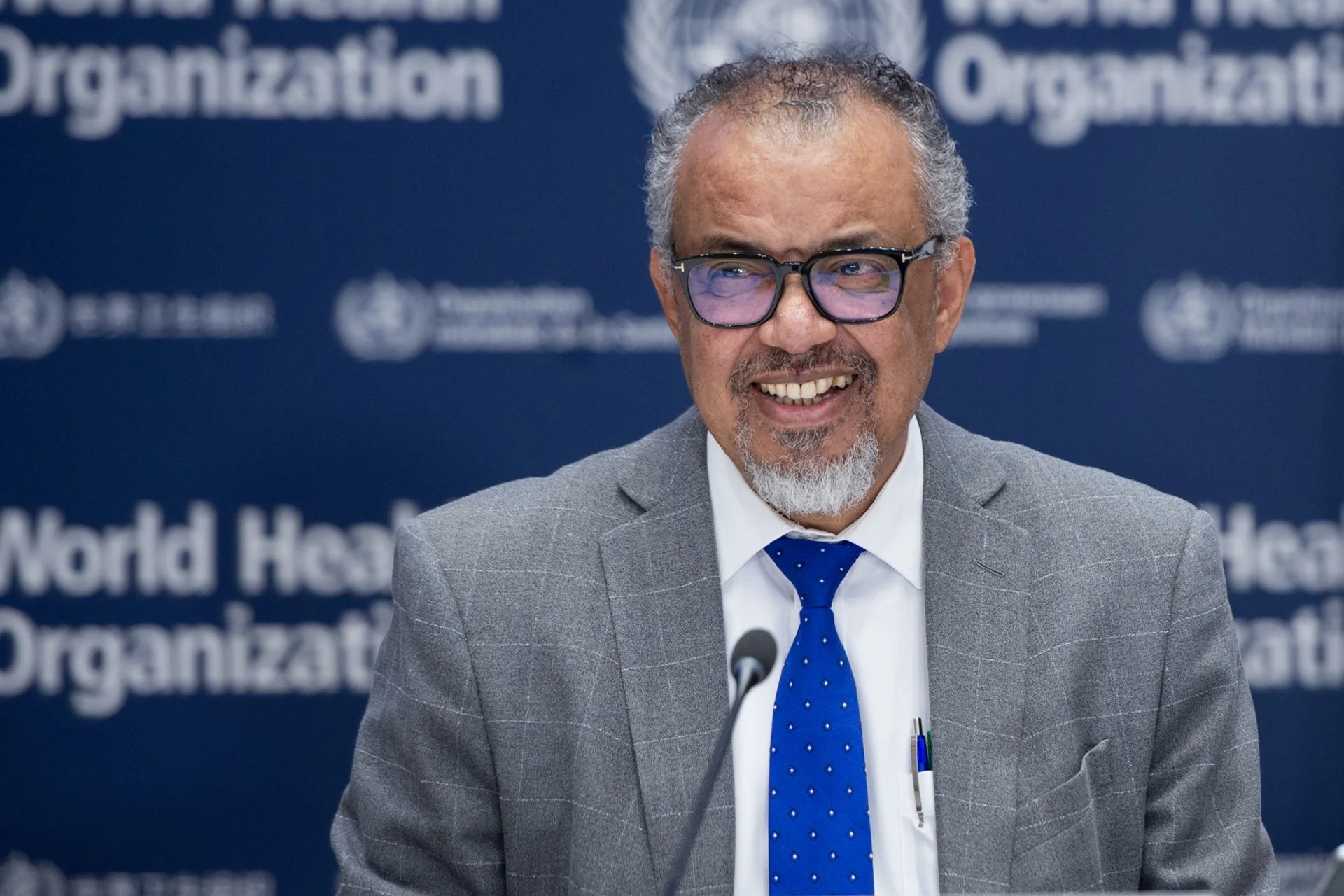
The battle to take over the World Health Organisation's top job is taking shape, with six candidates from across the globe seeking to succeed Director-General Dr Tedros Adhanom Ghebreyesus when his final term ends in August 2027.
The contest brings together health leaders from national governments, regional organisations and within the WHO itself, at a time when the agency is under pressure to deal with outbreaks, limited funding and questions about its response to major global health crises.
Leading the field from the Americas is Dr Jarbas Barbosa, who heads the Pan American Health Organisation after being proposed by Brazil. His candidacy adds a strong regional dimension to a race in which geographical representation is expected to remain an important consideration.
Asia is represented by Indonesia's Health Minister Budi Gunadi Sadikin, who has advocated for greater vaccine equity. Indonesia is Southeast Asia's largest economy, giving his candidacy a significant national and regional profile.
From the Gulf, Qatar's former health minister Dr Hanan Al-Kuwari is also seeking the position. She brings experience from a country that has played an active role in international health affairs.
The WHO's own senior leadership is represented by Dr Hans Kluge, who was proposed by Belgium and currently heads the organisation's Europe office.
Dr Hanan Balkhy is another senior WHO official in the race. Nominated by Saudi Arabia, she leads the organisation's Eastern Mediterranean office, giving her experience in a region that has faced repeated health emergencies.
Spain's Dr María Neira completes the field of six. She heads the WHO's work on climate change and health, an area that has become an important part of the organisation's wider health agenda.
The range of candidates reflects the geographical spread of the organisation, with contenders coming from four continents.
Regional balance could prove important because the WHO has a strong tradition of rotating its top leadership among different parts of the world. With Tedros, an Ethiopian, due to leave office after his second term, attention is already turning to which region will provide his successor.
The formal selection process is set to unfold over several months.
Nominations closed on September 24, 2026, with the WHO expected to publish the official list of candidates in early November.
The first Candidates' Forum will be held on November 18, providing the six contenders with a public platform to explain their plans and answer questions from member states.
The field will then be narrowed in January 2027 when the WHO Executive Board meets to select up to three candidates.
A second Candidates' Forum is scheduled for March, giving member states another opportunity to question the remaining contenders before the final vote.
The process will end in May 2027 when the World Health Assembly holds a secret ballot involving all 192 member states. The candidate who secures a simple majority will be chosen as the next Director-General.
While the official stages are still ahead, the campaign for support is already gathering pace.
The candidates are seeking backing from governments, civil society organisations and major funders, while digital campaigns are being used to reach audiences across different regions. The two Candidates' Forums are expected to offer the clearest public view of a contest that will also involve extensive diplomatic engagement.
The incoming Director-General will face an organisation dealing with several major challenges.
The WHO has faced criticism over its handling of the COVID-19 pandemic, its dependence on voluntary contributions and concerns about its ability to hold powerful member states accountable.
At the same time, donor budgets are shrinking even as demand for the agency's services continues to rise.
Tedros' successor will therefore take over an organisation facing pressure to strengthen its response to global health emergencies while managing financial constraints and navigating a divided international environment.
Tedros has been a highly visible and sometimes polarising leader during his tenure. The person chosen in May 2027 will inherit both his record and the unresolved challenges that remain on the WHO's agenda.