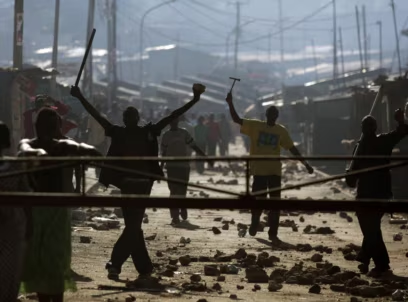
The survivors have returned to the Supreme Court in a case challenging what they describe as years of exclusion from compensation, recognition and other forms of support given to victims of political violence.
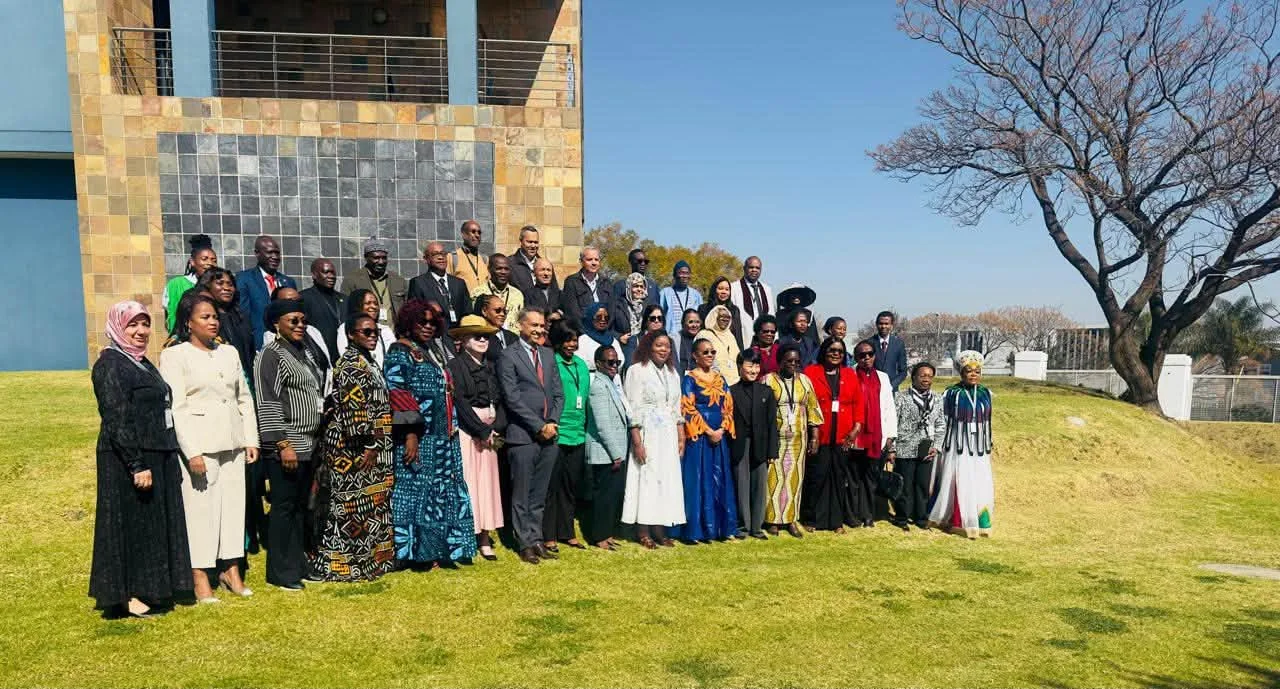
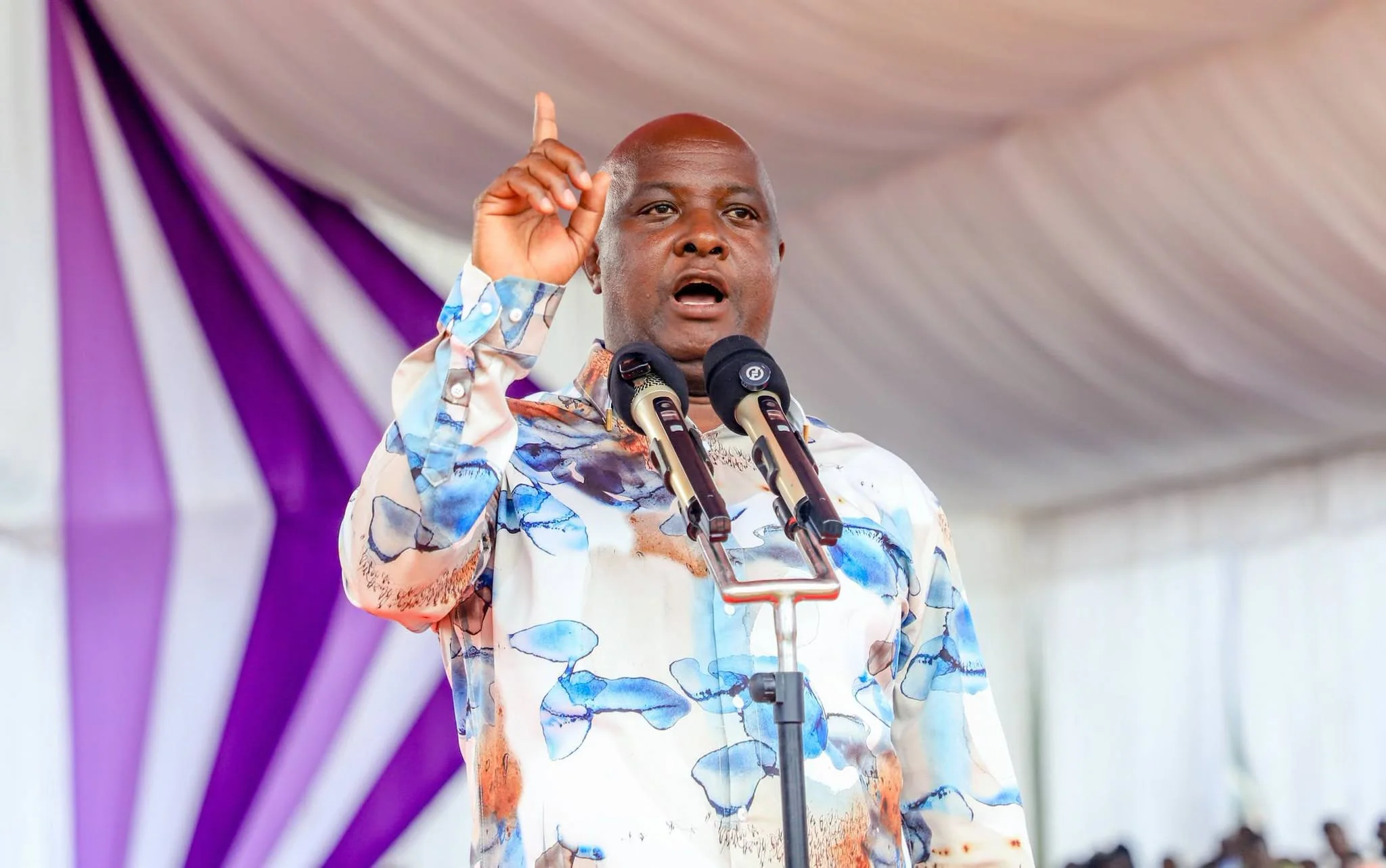
The dialogue on Saturday was opened by Rahab Mukami Wachira, Nyeri Woman Representative and President of the Pan-African Parliament Women's Caucus, who described the adoption of the AU-CEVAWG as a landmark step in protecting women and girls across the continent.
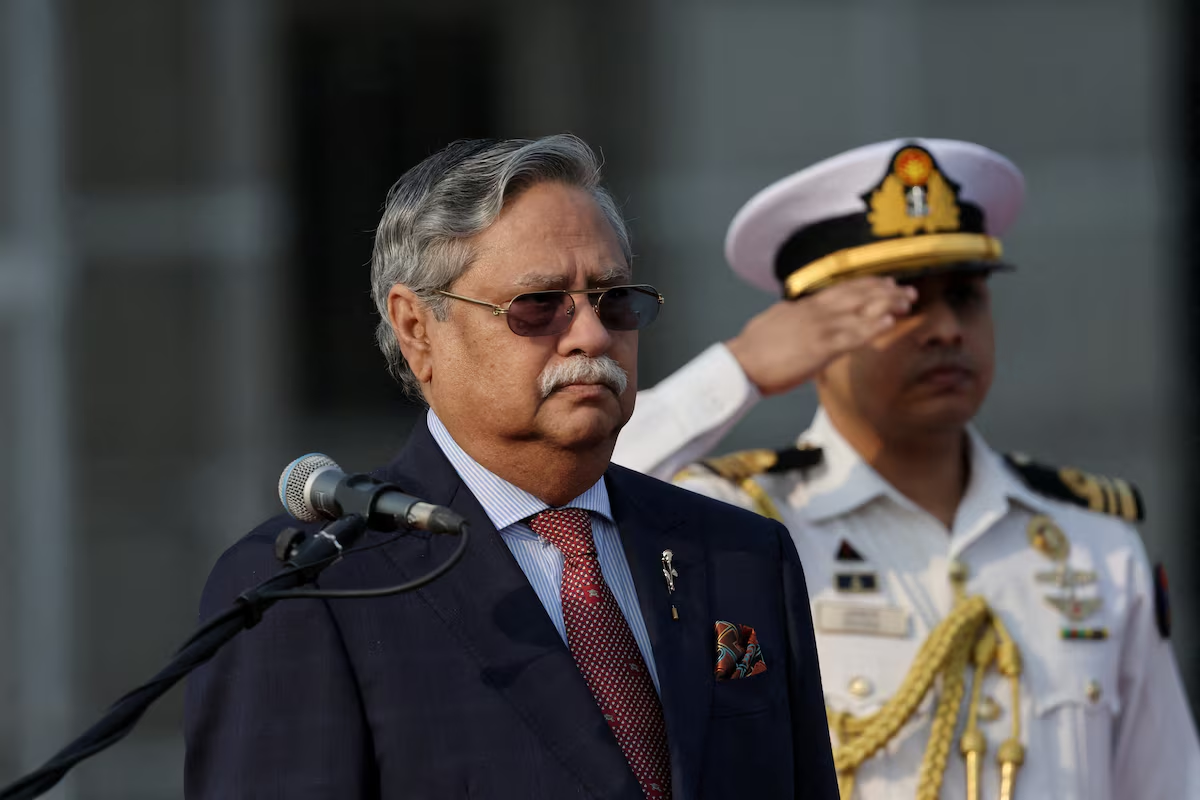
Shahabuddin had been expected to remain in office until 2028 and was among the few officials from Hasina's administration who survived the sweeping changes that followed the July 2024 uprising.
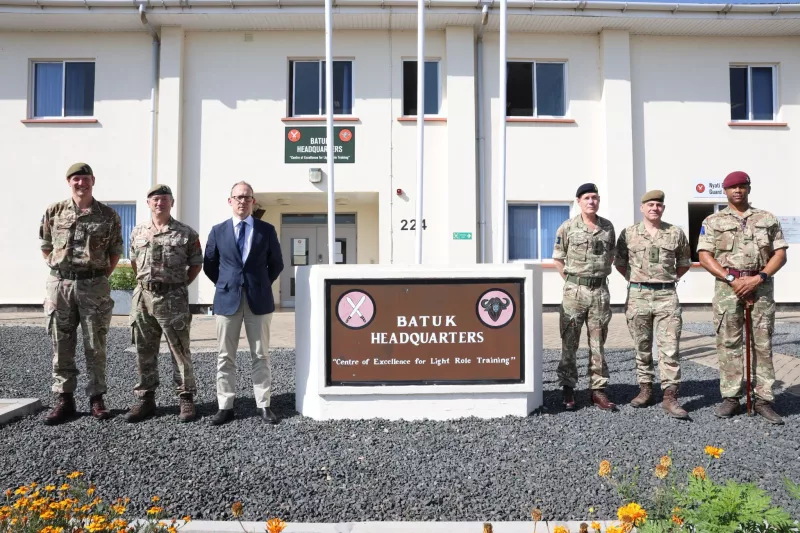
The disagreement revolves around the proposed Defence Cooperation Agreement, which is awaiting approval by the National Assembly. Kenyan lawmakers want key changes made before the deal can take effect, insisting that murder be included among offences that fall under the jurisdiction of Kenyan courts.
The Facilitation of Assembly, Picketing and Demonstration Bill, 2026 seeks to replace the current approach that has often seen demonstrations stopped because of disagreements over police notification.
KNCHR said the draft law was jointly developed with the Office of the Attorney General (OAG), the Independent Policing Oversight Authority (IPOA), the Law Society of Kenya (LSK) and other stakeholders after a landmark High Court judgment delivered in Kisumu on March 19, 2026.
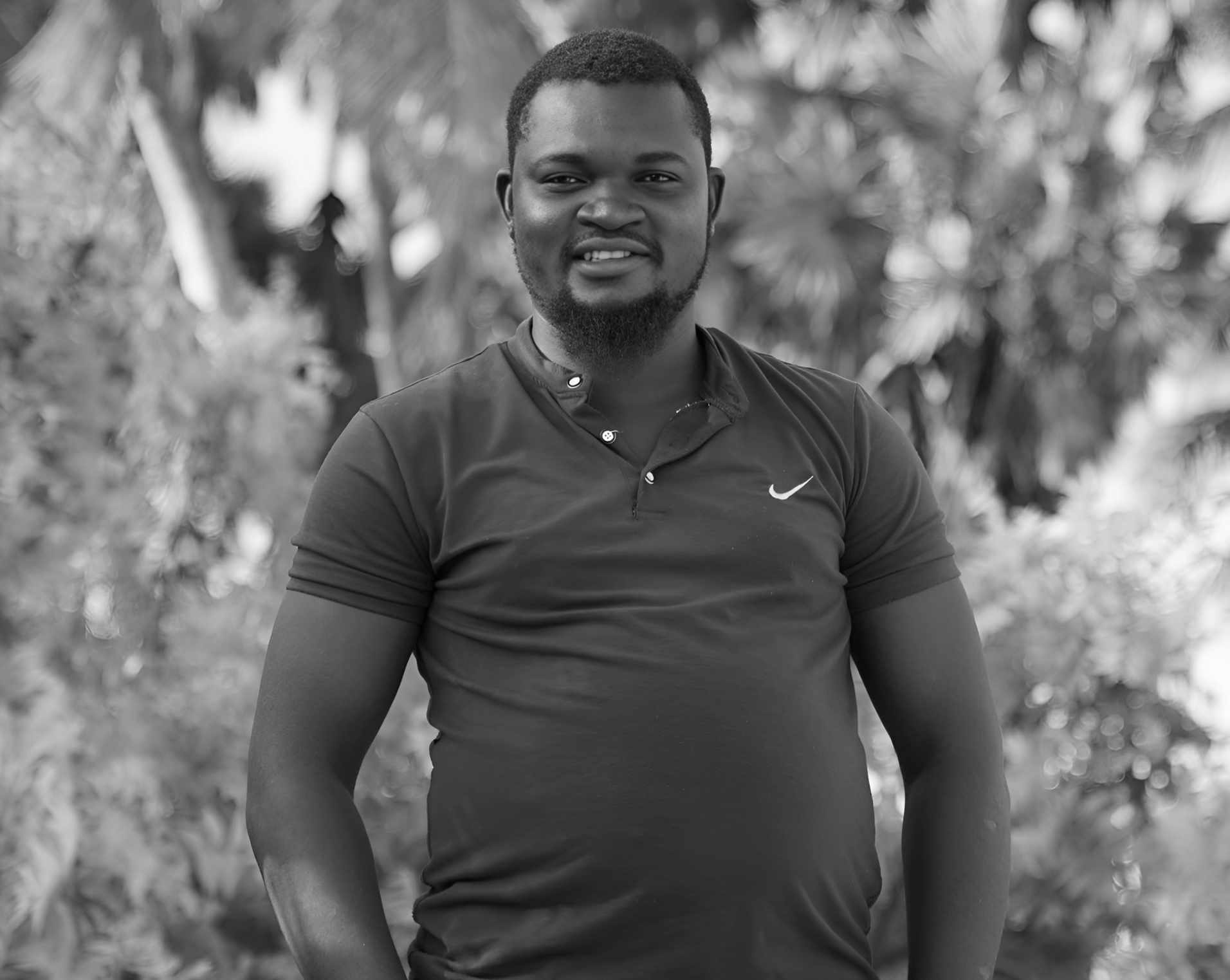
Although they attended in person, neither addressed the court on the whereabouts of Michael Oloo, Evans Otieno and Macmillan Kiarie, who are alleged to have disappeared after being picked up by police officers last month.
In the opening of the murder trial on July 20, 2026, the prosecution claimed Ojwang was alive when he was brought to the station after his arrest but was found dead the following morning.
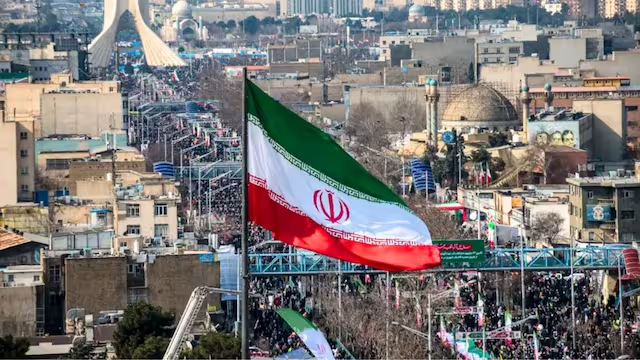
The two men, Erfan Esfandiari and Gol-Mohammad Mohammadi, were found guilty of "tying police officers to a road sign with ropes, injuring them with stones, dousing them with gasoline, and setting them on fire" in the central city of Isfahan, said the judiciary.
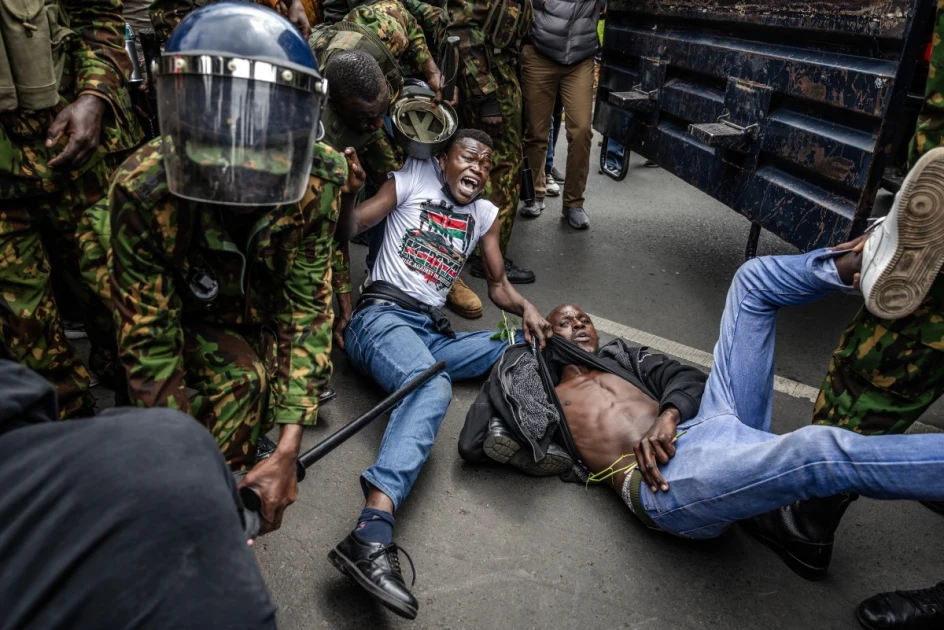
The senator said the allocation of Sh2 billion had offered hope to families affected by protest-related violence, but many continue to struggle with the loss of loved ones, injuries, trauma and uncertainty over when or whether they will receive compensation.
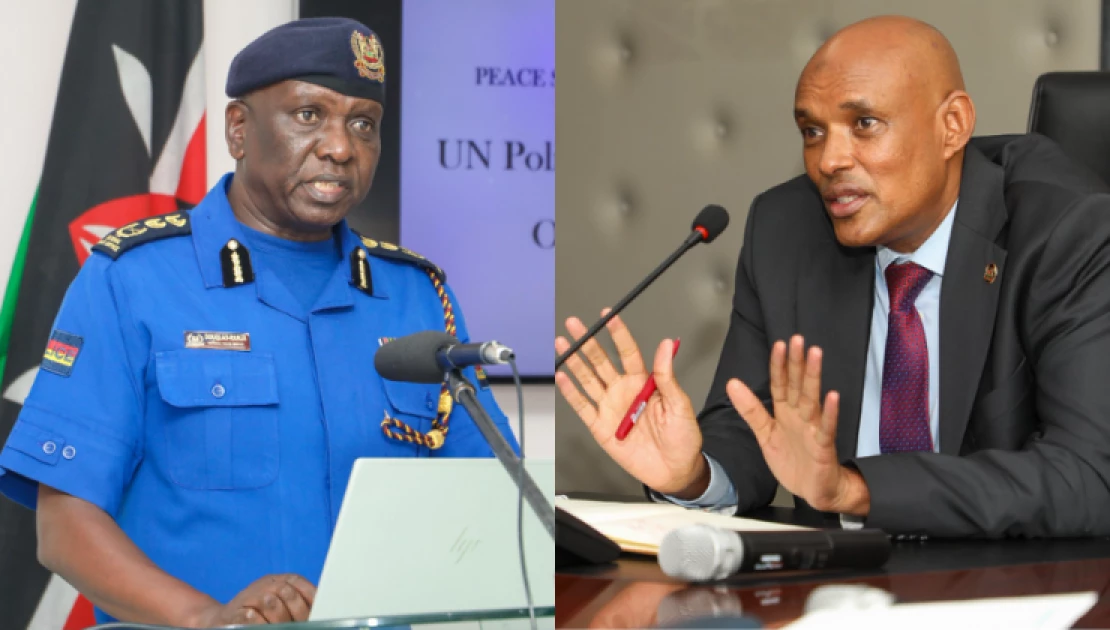
The Inspector General of Police Douglas Kanja, DCI Director Mohamed Amin and other respondents have been summoned to appear before the Milimani High Court on Tuesday and produce three missing men — Evans Otieno Omondi, Macmillan Kiarie Mugo and Michael Oloo Osoro — whether alive or deceased. The directions were issued by Justice Alexander Muteti after separate urgent habeas corpus applications were filed by the men's families. The judge certified the applications as urgent and ordered the respondents to appear before the court at 12 noon on July 14 to account for the whereabouts of the three men and show cause why they should not be immediately released from custody if they are being held. In the three cases, the court directed the applicants to serve the respondents with the court orders by 9:00 a.m. on Tuesday ahead of the noon hearing. The petitions were filed by Pamela Aloo, the wife of Evans Otieno Omondi; Beatrice Wanjira, the mother of Macmillan Kiarie Mugo; and Rose Sopi, the wife of Michael Oloo Osoro. They are seeking the court's intervention over the alleged disappearance of their relatives. Besides the Inspector General and the DCI Director, the applications also name the State Law Office and other respondents, who will be required to respond to the allegations before the court. The hearing is expected to determine whether the security agencies are holding the three men and what further orders the court will issue regarding their alleged disappearance.