
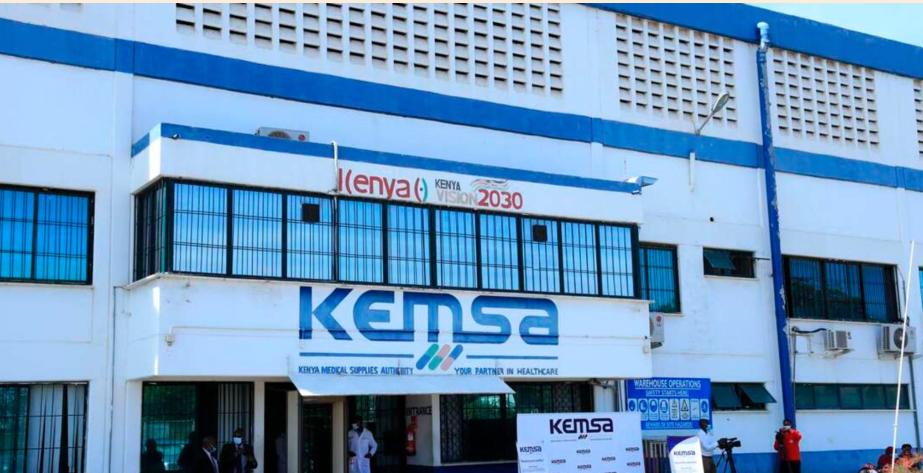
Public hospitals could see fewer medicine shortages and less wastage under a new procurement strategy that will require the Kenya Medical Supplies Authority (Kemsa) to base its orders on actual drug use, available stocks and prevailing disease patterns.
The authority plans to use information from health facilities to determine the medicines and quantities required, while factoring in clinical needs, supplier capacity, prices and emerging health risks. The changes are intended to ensure public hospitals receive essential supplies on time without spending money on products they do not need.
Kemsa chief executive Dr Wago Ejersa said accurate demand estimates would be central to improving the purchase and distribution of medicines, calling for closer cooperation between the authority and healthcare providers.
"Our goal is simple: the right products, at the right price, reaching facilities when patients need them," he said.
Dr Ejersa spoke at a conference bringing together pharmacists from county and national referral hospitals at Lake Naivasha Resort, where he stressed the importance of timely information from health facilities.
He said pharmacists were well placed to identify which medicines were being used, changes in treatment requirements and emerging demand, making their input necessary when Kemsa prepares its purchasing plans.
The strategy comes as the Ministry of Health seeks to move public facilities towards direct procurement from Kemsa, reducing their reliance on private chemists and middlemen. The government says the arrangement could lower costs, improve the quality of medicines supplied and reduce stock-outs.
Medical Services Principal Secretary Ouma Oluga said some pharmacists had been purchasing medicines from private chemists through intermediaries because they were unaware that Kemsa had the products they needed.
"Sending the supplies directly to the hospitals is one way of reducing stock-outs and quality errors," Dr Oluga said.
He said direct purchasing had reduced the cost of some medicines by up to seven times, freeing up resources that could be used to treat more patients and improve the benefits available under the Social Health Authority.
The Ministry is working with the Council of Governors to allow Level Two and Level Three health facilities to purchase medicines directly from Kemsa using the Facility Improvement Fund, which hospitals receive directly.
The proposed arrangement is expected to widen access to the authority's supplies among lower-level facilities and make it easier for them to obtain medicines using funds already available to them.
Dr Ejersa said effective procurement required hospitals to connect their clinical requirements with demand forecasts, purchasing plans, distribution systems and financing arrangements.
He urged health facilities to keep accurate stock records and avoid ordering more medicines than they could use, warning that additional funding would not solve supply challenges if hospitals failed to estimate their needs correctly.
"Every shilling matters, and every expired product represents resources that could have served a patient elsewhere," he said.
Kemsa is also working with the Social Health Authority and Level Six hospitals under a financing arrangement that allows supplies to be paid for through agreed receivables and deductions at source. Dr Ejersa said the model could be extended to eligible counties and other public health facilities.
Beyond improving supplies to hospitals, reliable procurement data could help attract investors interested in establishing pharmaceutical manufacturing plants in Kenya. Clear estimates of the country's demand for medicines would give potential investors a better basis for assessing the market before committing resources to local production.
Oluga said accurate information on the medicines required by public health facilities would support domestic manufacturing, improve product availability and strengthen Kenya's ability to meet its own healthcare needs.
The pharmacists' conference is expected to deliver a verified list of required medicines and other products, agreed specifications where necessary, prioritised needs and reliable estimates of quantities. The findings will inform Kemsa's purchasing plans for the 2026/27 financial year.
The new measures also come as the authority works to restore public confidence following years of scrutiny over its operations.
PS Oluga pointed to the suspension of United States government support in 2020 over problems at the agency and the corruption scandal linked to the Covid-19 period as part of Kemsa's troubled history.
Under a government-to-government agreement signed with the United States in December 2025, procurement and distribution of donor-supported health commodities are expected to shift gradually to Kemsa by the end of 2026.
The authority says its order-fill rate has improved to 87 per cent, crediting closer planning with county governments, the Ministry of Health and individual health facilities.
In January, Dr Oluga said the availability of essential medical commodities had reached 95 per cent, while the Treasury proposed Sh20.9 billion for Kemsa in the new financial year, up from the previous allocation of Sh5.2 billion.
The proposed funding increase comes as the authority seeks to improve its ability to purchase and distribute medicines, with the government banking on better forecasting, stronger coordination and direct supply arrangements to address gaps in the public healthcare system.