
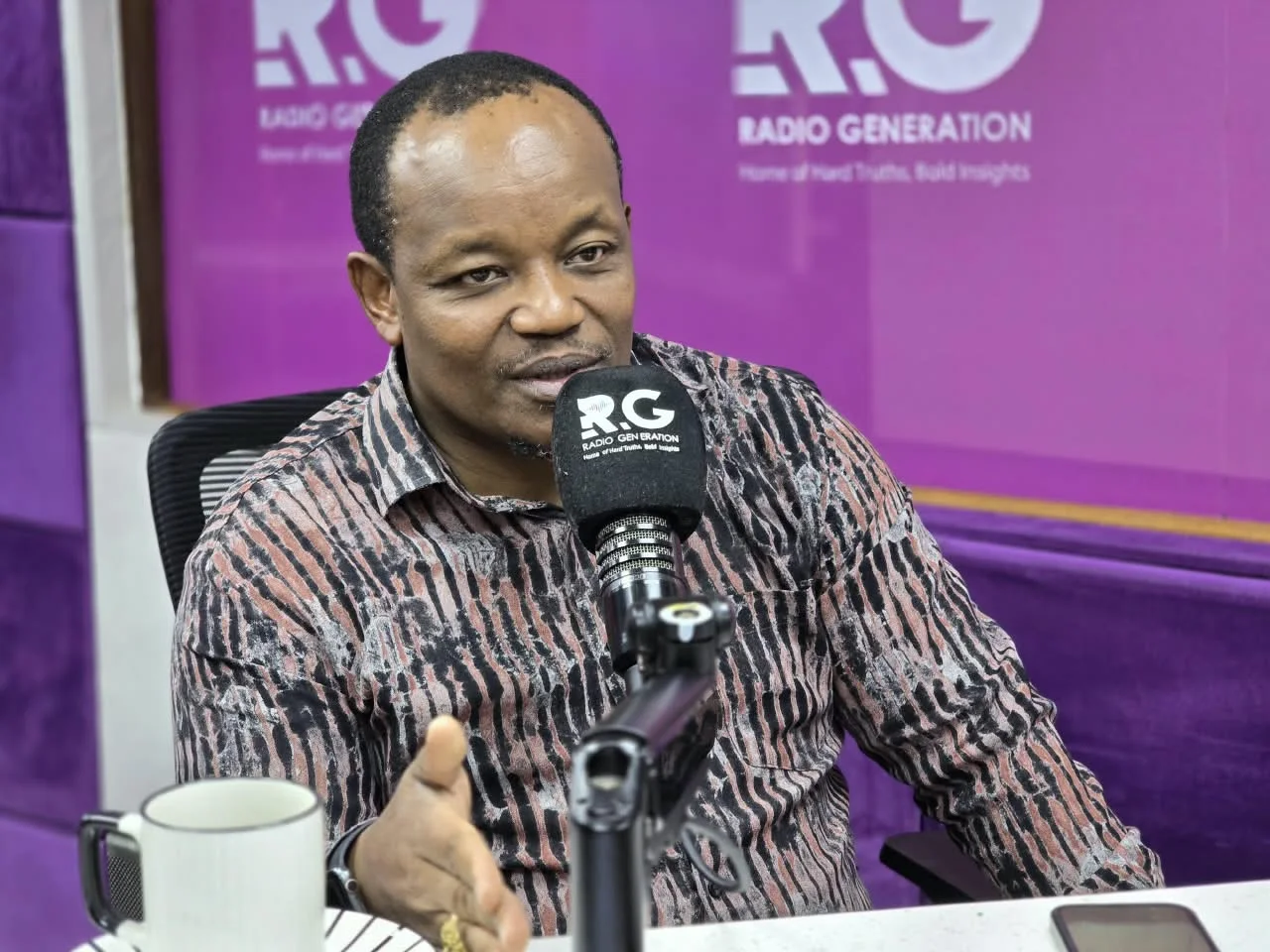
Former Nyeri Town MP Ngunjiri Wambugu has blamed growing voter discontent, broken political expectations and divisions among Mount Kenya leaders for the declining popularity of the United Democratic Alliance (UDA), warning that the region’s support for President William Ruto can no longer be taken for granted.
Wambugu argues that many voters who backed Ruto in the 2022 General Election now feel short-changed, having expected their electoral support to translate into greater political influence, representation and tangible benefits under his administration.
“We were made to believe that President William Ruto would represent our interests, but after taking office, he removed our own, Rigathi Gachagua, and failed to deliver the benefits we expected. That sense of betrayal is at the heart of UDA’s declining popularity,” Wambugu said.
The former legislator linked the growing discontent to the collapse of the political partnership between Ruto and his former deputy, Rigathi Gachagua, who jointly campaigned for the Kenya Kwanza Alliance ahead of the 2022 polls and played a significant role in mobilising support across Mount Kenya.
The region proved instrumental in Ruto’s election victory. Figures from the Independent Electoral and Boundaries Commission (IEBC) show that he garnered 7,176,141 votes nationally, defeating Raila Odinga, who received 6,942,930 votes. Ruto won with 50.49 per cent of the presidential vote, with strong backing from Mount Kenya contributing significantly to his performance.
However, the alliance between Ruto and Gachagua gradually unravelled amid disagreements over government appointments, regional representation and access to political power. Tensions escalated as Gachagua became increasingly vocal in his criticism of the administration.
The rift reached a turning point in October 2024 when the National Assembly voted to impeach Gachagua. The motion received the support of 281 lawmakers, while 44 voted against it and one abstained. The Senate subsequently upheld his removal, making him the first deputy president in Kenya’s history to be ousted through impeachment.
Gachagua rejected the allegations against him, maintaining that his removal was politically driven. His departure from office further exposed divisions within the ruling coalition, particularly among Mount Kenya politicians and supporters who regarded him as the region’s leading voice in the national government.
According to Wambugu, the fallout demonstrated the risks of relying on electoral numbers and political alliances without establishing an independent power base. He said some regional leaders had assumed that delivering votes to Ruto would guarantee them lasting influence within his administration.
He also faulted politicians for failing to prepare adequately for the possibility that their preferred political arrangements could change, arguing that the confidence surrounding the 2022 victory contributed to strategic miscalculations.
“We made very many assumptions. One assumption was that government does not lose. The amount of detail and focus we would have taken into that election, or that we had taken into it in 2017, we did not take,” he said.
Wambugu further argued that many leaders invested too heavily in national alliances at the expense of cultivating their own constituencies. He warned that the absence of strong independent support bases had left some politicians exposed as relationships within the government deteriorated.
The former MP also raised concerns about the experience and judgement of leaders seeking to shape Mount Kenya’s political future. He cautioned that persistent accusations of betrayal, disagreements over cooperation with opposition figures and efforts to sideline particular politicians could undermine the region’s ability to negotiate effectively for its interests.
These concerns come as political realignments begin to reshape the landscape ahead of the 2027 General Election. Some politicians who previously supported Ruto have started exploring alternative political arrangements, raising questions about whether UDA can maintain the overwhelming backing it enjoyed in Mount Kenya during the last election.
Wambugu said the region needed to reassess both its leadership and political approach, cautioning against the assumption that its large voting population would automatically guarantee influence in national decision-making.
He also pointed to the possibility of future political cooperation between Ruto and leaders with whom he is currently at odds. According to Wambugu, disagreements in the run-up to the 2027 elections do not necessarily rule out new alliances after the polls.
His assessment highlights the challenge facing UDA as it seeks to rebuild confidence in Mount Kenya, where questions over political representation, inclusion and the delivery of campaign promises are increasingly shaping voters’ attitudes towards the government.