
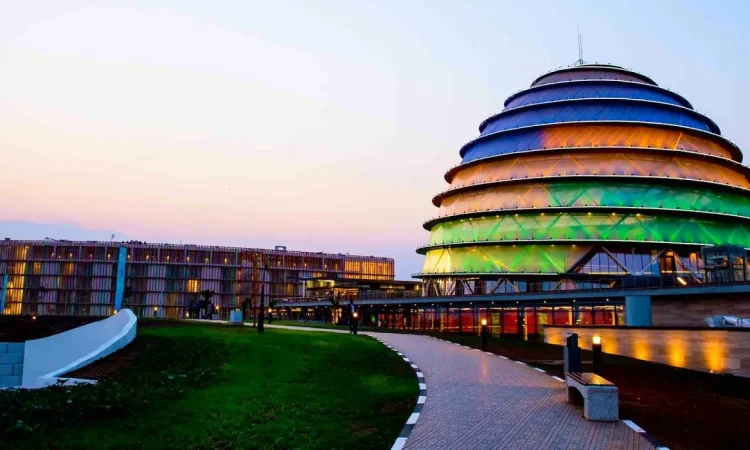
Kigali, the capital of Rwanda, continues to attract attention for its clean streets, orderly public spaces and strong environmental standards.
The city’s reputation for cleanliness is supported by a combination of government policies, waste-management systems, community participation and enforcement of environmental regulations.
Public spaces are regularly maintained, drainage channels are kept clear, and littering is discouraged through both public awareness campaigns and penalties.
A major part of Rwanda’s approach is the monthly community service programme known as Umuganda.
On the last Saturday of every month, residents traditionally come together to clean their neighbourhoods, clear drainage channels, maintain roadsides, plant trees and undertake other community projects.
The programme is designed not only to improve the physical environment but also to promote a sense of shared responsibility.
Residents, businesses and local authorities are encouraged to view cleanliness as a collective responsibility rather than a task left entirely to municipal workers.
Rwanda has also maintained a strict approach to plastic pollution.
The country banned plastic carrier bags in 2008 and later strengthened the legislation to prohibit the manufacture, importation, use and sale of plastic carry bags and certain single-use plastic products, subject to authorised exceptions.
Travellers entering Rwanda can be required to surrender prohibited plastic bags, with visitors encouraged to use reusable or environmentally friendly alternatives.
Enforcement has also played an important role in maintaining Kigali’s appearance. Authorities have taken action against littering, illegal use of plastic bags and activities that damage green spaces. The approach has helped reinforce public expectations around how streets, markets, roadsides and other shared spaces should be maintained.
However, Kigali’s cleanliness does not mean the city has completely solved its waste-management challenges.
The growing population and increasing urban activity are generating more waste, putting pressure on collection, disposal and recycling systems.
Authorities are therefore increasingly focusing on waste sorting, recycling and waste valorisation. Facilities such as those at Nduba are part of efforts to recover useful materials from waste instead of simply sending it for disposal.
Kigali is also incorporating environmental considerations into future urban development.
The Green City Kigali project at Kinyinya Hill focuses on sustainable and climate-conscious development, including resource efficiency, climate adaptation, social inclusion and protection of the environment.
The city’s green spaces, landscaped roadsides and efforts to protect public areas have further contributed to its clean and organised appearance.
While Kigali is widely described as one of Africa’s cleanest cities, there is no single universally accepted ranking that officially establishes it as the cleanest city on the continent. The description is largely based on the city’s visible sanitation standards, environmental policies, enforcement and community participation.