
Former Nyeri Town MP Ngunjiri Wambugu has warned that Jubilee Party leader Fred Matiang’i could weaken his chances of becoming Kenya’s next president if he fails to expand his political alliances and attract support beyond his immediate circle ahead of the 2027 General Election.
Wambugu said Matiang’i had lost political ground over the past year, blaming what he described as poor political choices, limited engagement with other leaders and an approach that could prevent him from building the national support needed to compete for the presidency.
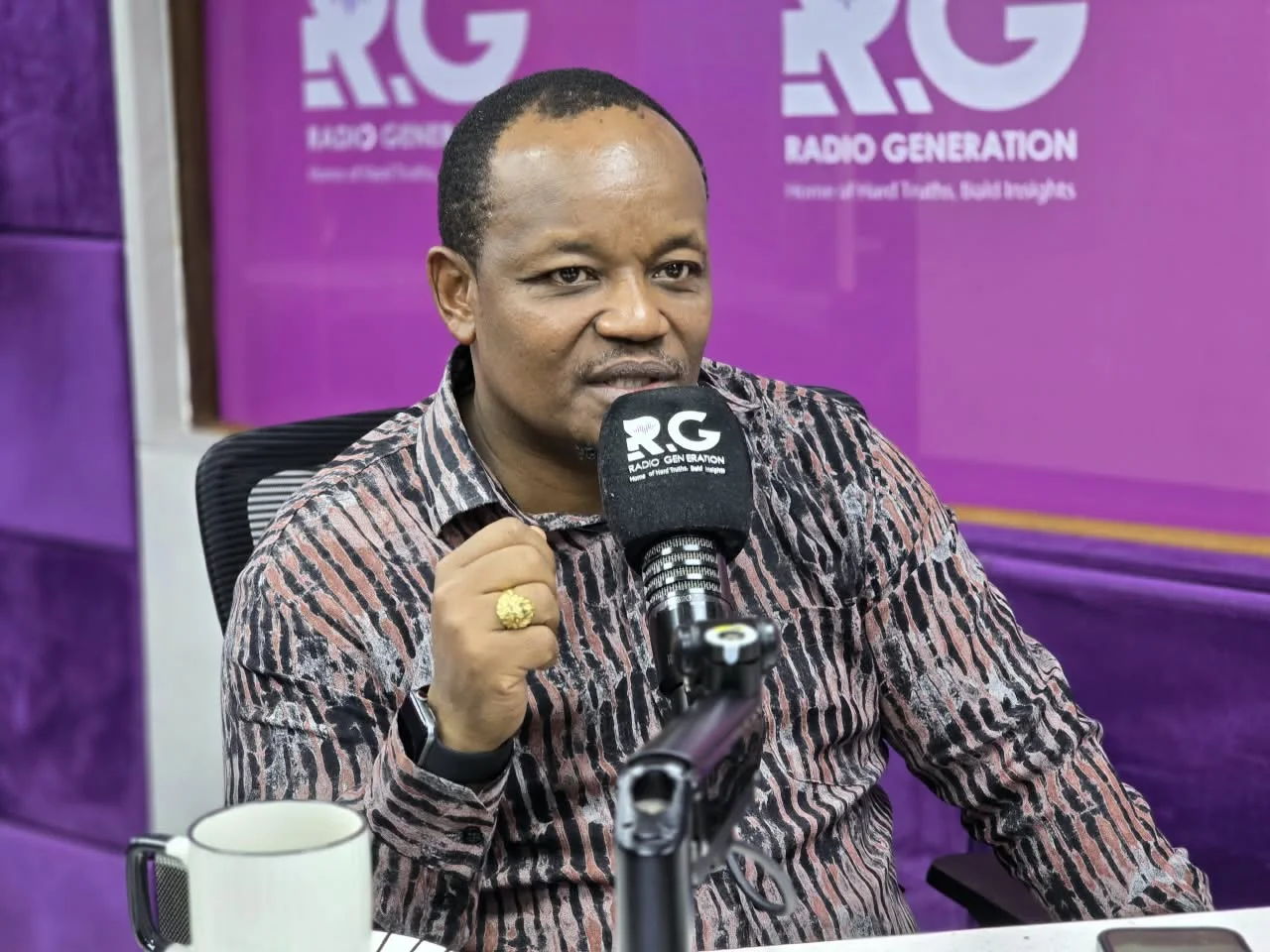
Speaking during a Radio Generation interview on Tuesday, the former legislator argued that Matiang’i should be working to widen his support base and bring more political groups into his camp instead of adopting a strategy that risks isolating him from potential allies.
“Honestly, he was better last year. Okay, much, much better. If he was at 60 per cent last year, he is mostly at 30, and he is 30 because of his own mistakes. Instead of growing bigger, he is growing smaller. Instead of getting wider and getting more accommodative and more expansive, he is becoming more introspective and more introverted,” Wambugu said.
His remarks come as opinion polls place Matiang’i behind several other potential presidential contenders, raising questions about his ability to turn his government experience and position within Jubilee into a strong national campaign.
A survey conducted by Politrack Research Team between September 15 and 25, 2026, placed Matiang’i fourth in presidential preference with 7.2 per cent support.
President William Ruto led the poll with 45.1 per cent, followed by Nairobi Senator Edwin Sifuna at 19.6 per cent and Wiper leader Kalonzo Musyoka at 10.3 per cent.
The survey covered 20,419 respondents and had a reported margin of error of plus or minus three percentage points.
Matiang’i also recorded a relatively low rating in a separate September survey by Mizani Africa, which placed his support at 7.7 per cent.
In the same poll, Ruto received 38.7 per cent, Kalonzo garnered 27.5 per cent, while Sifuna registered 13.2 per cent.
Although the figures offer a picture of voter preferences at the time the surveys were conducted, they do not determine the final outcome of the 2027 presidential election. However, they point to the challenge Matiang’i faces in competing with politicians who currently command stronger support in the polls.
The concerns surrounding his presidential bid come despite his years in senior government positions, which gave him national visibility and experience in managing key public institutions.
Matiang’i served as Cabinet Secretary for Information, Communications and Technology before moving to the Education docket in 2015. He later took charge of the Interior Ministry, a position he held until the end of former President Uhuru Kenyatta’s administration in 2022.
While serving as Education Cabinet Secretary, Matiang’i became known for measures aimed at tightening examination security and reducing examination malpractice.
His subsequent role as Interior Cabinet Secretary further raised his profile, with his firm approach to national security matters earning him a reputation as one of the most influential officials in the Kenyatta administration.
However, Wambugu argued that experience in government does not automatically translate into electoral support, saying Matiang’i must demonstrate an ability to build relationships, win the confidence of other political leaders and appeal to voters across different communities.
The former MP questioned whether Matiang’i was focusing too heavily on building a small group of parliamentary allies at the expense of a wider national coalition.
He suggested that such a strategy could be aimed at securing a limited number of seats to strengthen Matiang’i’s position during future political negotiations rather than building a movement capable of competing for the presidency.
According to Wambugu, Matiang’i needs a political structure that can attract supporters from outside Jubilee and establish a presence across the country.
He argued that a presidential candidate must go beyond the backing of a single party and develop a wider network of leaders and supporters capable of mobilising voters in different regions.
Wambugu pointed to former Prime Minister Raila Odinga’s political approach as a model Matiang’i could study, particularly his efforts to build alliances across communities and political groups during successive presidential campaigns.
“He should model his presidential ambitions on Raila Odinga’s approach to politics. Although Raila never became president, he came closer than any other unsuccessful presidential candidate. To run for the presidency, Matiang’i must reach out to other communities and build a political institution that can stand independently of his party,” Wambugu maintained.
The former legislator also questioned whether Matiang’i had made the necessary adjustment from serving in senior government positions to operating in the competitive world of electoral politics.
He argued that political influence cannot be sustained through the authority or reputation gained while holding public office alone, but must be built through engagement with other leaders, openness to different political interests and the ability to earn public trust.
For Matiang’i, the challenge is to turn his record in government into a political advantage while convincing voters and potential partners that his ambitions extend beyond his existing support base.
With the 2027 General Election approaching, his ability to establish broader alliances could prove important in determining whether he emerges as a serious contender for the presidency.
Wambugu's central warning is that Matiang’i risks remaining a political figure whose influence is mainly felt during coalition negotiations if he fails to establish an independent national support network.
Without a more inclusive approach, stronger partnerships and a political organisation capable of reaching voters beyond Jubilee, the former Interior Cabinet Secretary could struggle to turn his presidential ambitions into a competitive national campaign.