
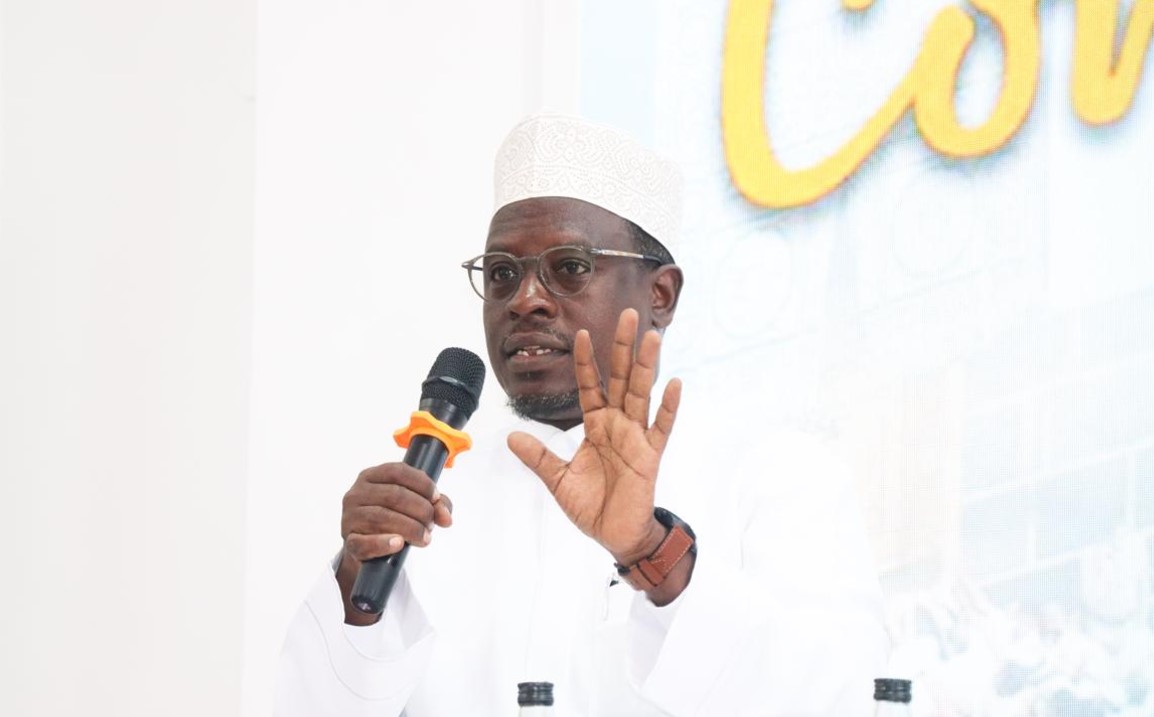
The growing financial strain on Kenyan households, limited access to healthcare and lack of jobs for young people should take priority over political battles, the Supreme Council of Kenya Muslims (SUPKEM) has said, urging leaders across the political divide to work together to find solutions.
SUPKEM National Chairman Al-Hajj Hassan Kirua Ole Naado called on the government and opposition to set aside their differences and focus on issues directly affecting citizens, warning that political divisions could weaken national unity and slow the country’s development.
Naado made the call in a statement released after the council’s Annual General Meeting (AGM), held at Weston Hotel in Nairobi on Wednesday, October 14, 2026. The meeting brought together delegates, scholars and leaders from all 47 counties to assess SUPKEM’s progress, review its governance and discuss its contribution to national affairs.
He cautioned political leaders against using ethnic and religious differences to advance their interests, saying divisive rhetoric and continued rivalry risked undermining peaceful coexistence.
The council said many Kenyans, particularly vulnerable groups, were struggling with financial difficulties and social exclusion. It urged leaders to treat public service as their main responsibility rather than allowing political competition to overshadow the urgent needs of the population.
“True leadership is a trust (Amanah) from the Almighty Allah,” Naado said in the statement, emphasising that leaders must remain accountable to the people they serve and to their Creator.
He challenged politicians to move away from confrontation and embrace constructive engagement, arguing that cooperation should be driven by the need to improve people’s lives rather than efforts to negotiate political power-sharing deals.
“Political leaders must put the interests of Kenyans first and work together to address the challenges affecting ordinary citizens, including the high cost of living, healthcare and unemployment among our youth,” Naado said.
SUPKEM called for practical interventions to lower the financial burden on families, make healthcare more accessible and widen employment opportunities for young people.
The council maintained that addressing these concerns requires leaders to work together and direct their efforts towards improving the living conditions of citizens.
Council demands accountability in use of public funds
SUPKEM also raised concerns about the management of public resources, calling for greater transparency and stronger independent oversight bodies to help tackle corruption.
Naado said public funds must be handled responsibly and that those holding public office should be answerable for how they use resources entrusted to them.
“Public resources must be managed transparently and responsibly. Leaders entrusted with public office must demonstrate integrity and accountability in the service of the people,” he said.
He further called for ethical leadership guided by Taqwa, an Islamic principle centred on being conscious of God, acting responsibly and upholding moral values.
To reinforce its position, SUPKEM cited Surah Al-Ma’idah, verse 2 of the Qur’an, which calls on believers to cooperate in righteousness and piety instead of engaging in sin and aggression.
Naado said the principle of Ta’awun ‘alal Birri wat-Taqwa, which means cooperation in righteousness and piety, should inform the actions of political leaders, civil society groups and citizens.
He said embracing the principle would help promote justice, fairness in economic matters and peaceful relations among Kenyans.
The chairman also urged citizens to rise above sectarian interests and work together despite differences in political views and ideology, noting that national progress depends on a common commitment to human dignity and responsible leadership.
SUPKEM reaffirmed its commitment to fostering a united and progressive Muslim community that plays a positive role in the wider Kenyan society.
Naado concluded by urging the country’s leaders to exercise wisdom, maturity and restraint, insisting that the interests of the nation must come before political competition.