
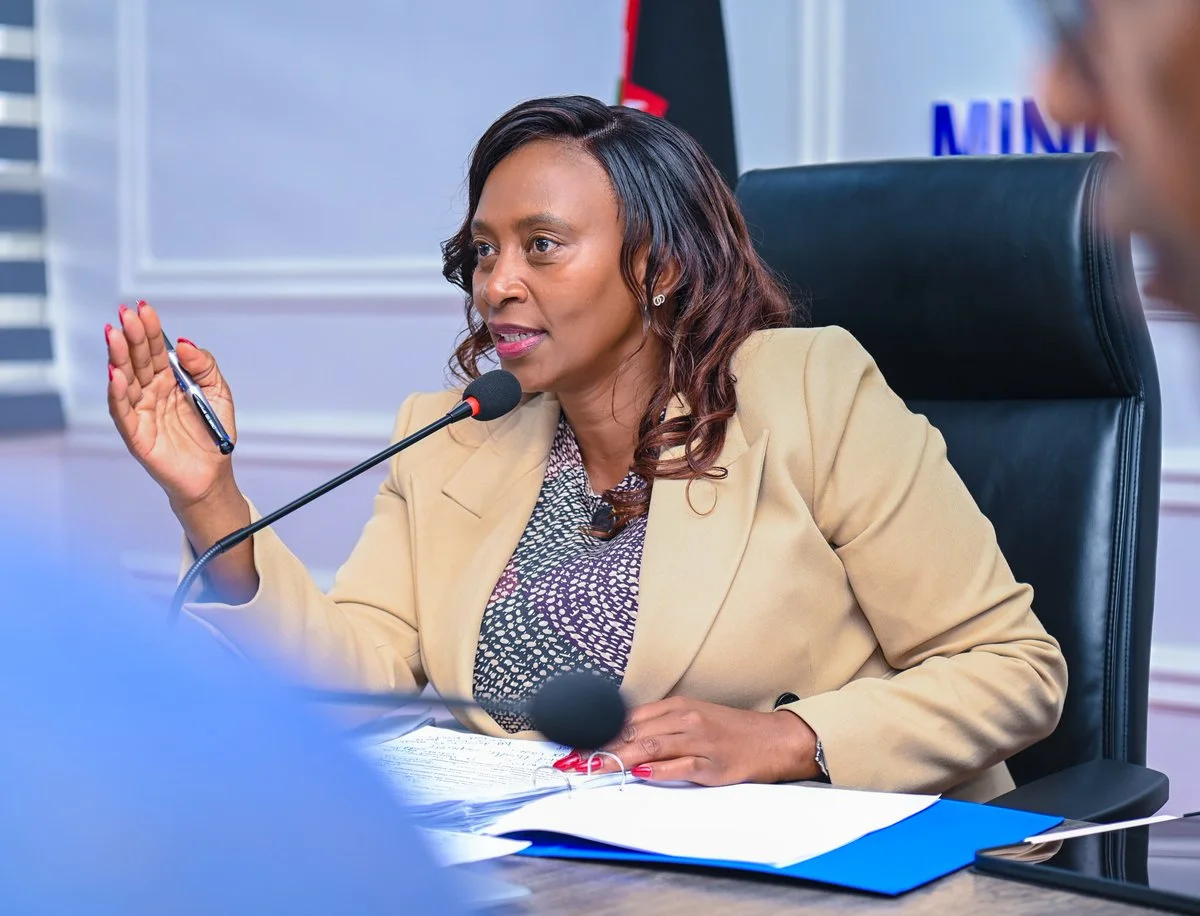
Kenya is strengthening checks at its main international airport as health officials step up efforts to guard against Ebola, with Public Health Principal Secretary Mary Muthoni confirming that screening facilities for passengers arriving from high-risk countries are fully equipped and operational.
Muthoni said the government was working with Ministry of Health teams and Kenya Airports Authority (KAA) staff at Jomo Kenyatta International Airport (JKIA) to identify weaknesses in surveillance and improve the systems used to screen and monitor travellers.
In a statement on Thursday, October 15, 2026, she said the measures were aimed at helping officials identify suspected infections early and improve the country's readiness to respond to the disease.
“JKIA remains a critical gateway into the country and a key point in strengthening our preparedness and response to Ebola Virus Disease,” Muthoni stated.
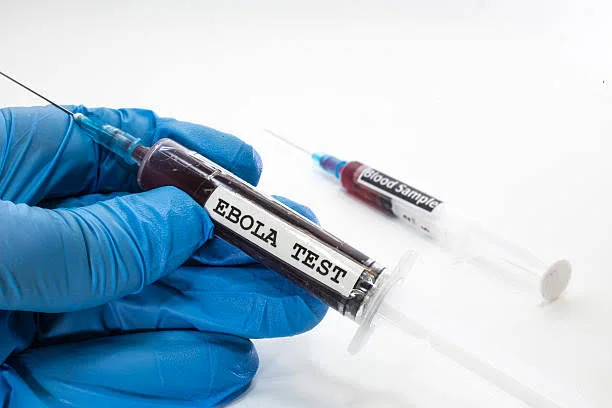
JKIA screening facilities ready for use
Muthoni confirmed that all designated gates for passengers arriving from high-risk countries had been equipped and were operational, forming part of efforts to detect possible Ebola infections among travellers entering Kenya.
The facilities are intended to support the early identification of suspected cases, allowing health officials to take the necessary steps to assess potential risks and protect public health.
The PS said health ministry officials had met with KAA staff at JKIA to review surveillance arrangements and work on closing gaps in screening and monitoring.
“Today, we engaged Ministry of Health staff and Kenya Airports Authority staff at JKIA on efforts to close surveillance gaps and strengthen screening and monitoring systems,” she said.
The exercise highlights the role of airport checks in helping authorities identify possible health threats at international entry points before they spread into local communities.
JKIA handles international arrivals into Kenya, making the airport a key part of the country's efforts to monitor potential infections and strengthen its response to public health emergencies.
As authorities continue their preparations, Muthoni appealed to Kenyans not to panic or circulate unverified reports about Ebola.
She urged the public to follow guidance from the Ministry of Health, saying cooperation and access to reliable information were important in protecting the country against possible health risks.
“We urge Kenyans to remain calm, avoid misinformation and continue following Ministry of Health guidelines as we strengthen our collective efforts to safeguard public health,” the PS said.
Her remarks come amid heightened attention to Kenya's Ebola preparedness following earlier announcements by the Ministry of Health confirming an imported case of Bundibugyo Ebola.
Bundibugyo is one of the Ebola virus species known to have caused outbreaks in parts of Africa. The disease can lead to severe illness, making early detection, proper isolation and infection-prevention measures important in efforts to limit transmission.
Screening and monitoring at airports are among the measures used by health authorities to identify suspected infections among travellers and reduce the risk of the disease spreading.
However, airport screening cannot identify every infected person, particularly those who have not yet developed symptoms. Continued surveillance, timely reporting of suspected cases, medical assessment and public cooperation are also necessary to support an effective response.
The Ministry of Health has urged Kenyans to obtain information from official sources and follow public health guidance as authorities continue monitoring the situation.
Muthoni did not disclose how many passengers had been screened, explain the specific procedures being used at the designated gates or confirm whether further measures would be introduced at other points of entry.