
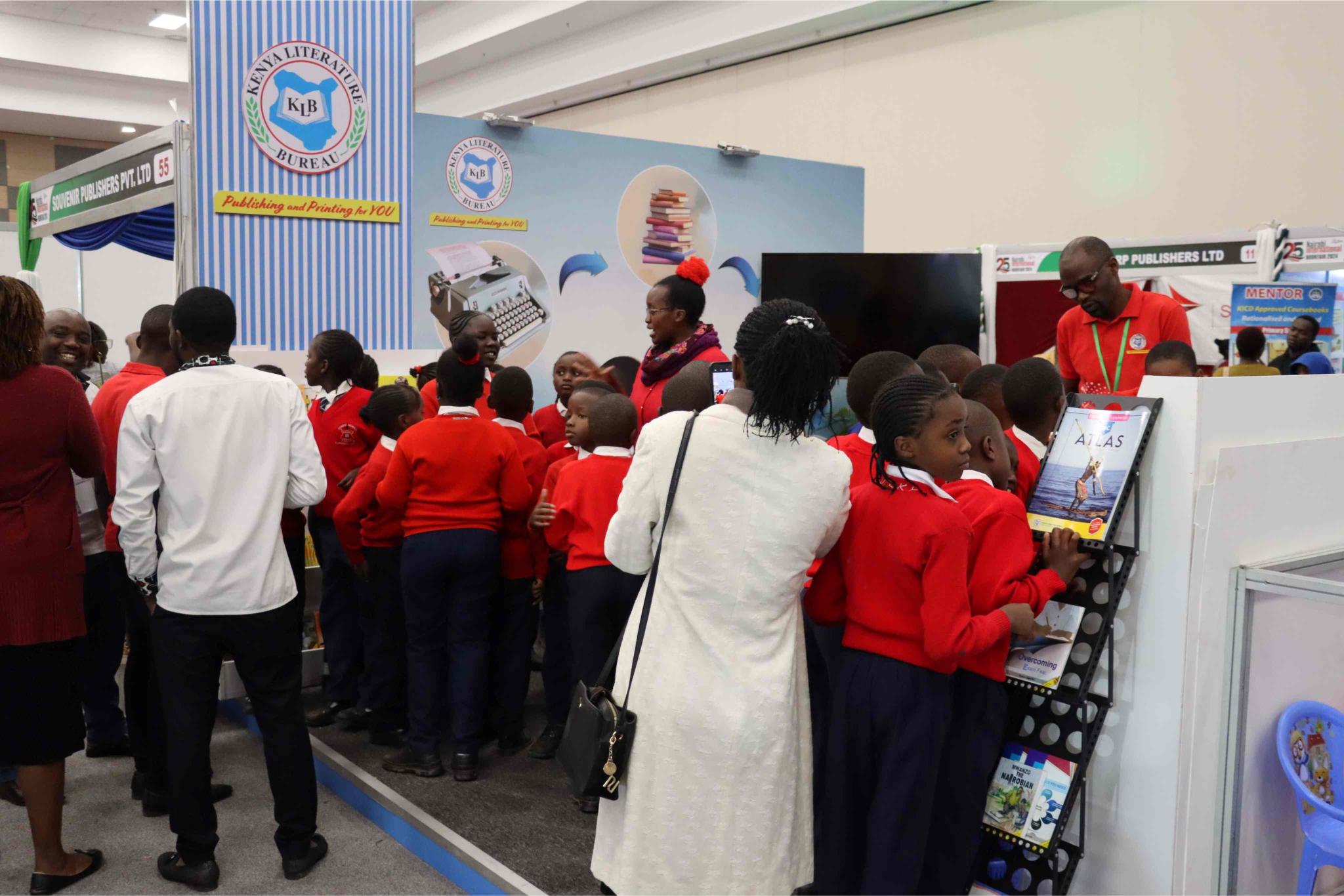
The Kenya Literature Bureau is holding learning materials worth about Sh600 million that have been rendered unusable following changes to the Competency Based Curriculum, prompting MPs to demand an explanation over the costly stock.
The matter emerged on Thursday, September 10, 2026, when the National Assembly Education Committee reviewed the 2025/2026 budget performance of State agencies under its oversight.
KLB Managing Director George Okeyo said the materials were left at the bureau after the curriculum was reviewed in the 2023/2024 financial year following recommendations by the Presidential Working Party on Education Reforms.
Okeyo told the committee that KLB had been unable to use the materials and appealed to lawmakers to help the bureau find a solution for the stock, whose value is estimated at Sh600 million.
The committee, chaired by Vice-Chairperson Eve Obara, also examined the agency's spending, including its recurrent and development budgets.
Okeyo reported that KLB used Sh1.9 billion from the Sh2.2 billion it had been allocated for recurrent expenditure during the financial year.
He said the remaining Sh300 million was linked to the late approval of a supplementary budget by the National Treasury, which reduced the time available for the bureau to implement activities contained in the revised plan.
The agency also recorded a Sh44.5 million shortfall in its development budget, equivalent to 41 per cent of the amount allocated.
According to Okeyo, the bureau failed to commit the funds after tenders for the purchase of printing machines did not attract responsive bids.
The expenditure figures formed part of the committee's wider assessment of how State agencies were using funds set aside for their operations and planned programmes.
MPs question Sh79 million savings
Lawmakers also raised questions over more than Sh79 million that KLB saved under gratuity and pension.
Kitutu Masaba MP Clive Gisairo sought to know why funds intended for staff-related expenses had remained unused, particularly at a time when many Kenyans were seeking employment.
“For board sitting, I can understand that you saved all that because there is no Board, but when you look at personal emoluments, you saved over Kshs 79 million in gratuity and pension. What is leading to this? Is it that you are not recruiting and many Kenyans are jobless, and for you to be saving money meant for staff?” he asked.
The committee subsequently sought information on the bureau's staffing levels and the reason employee-related allocations had not been fully spent.
The lawmakers' assessment also covered the State Department for Research and Innovation, the Kenya National Innovation Agency, the National Research Fund and the National Commission for Science, Technology and Innovation.
The agencies were reviewed as part of the committee's broader examination of budget implementation across the education sector.
At KLB, MPs focused on the effect of curriculum changes on the bureau's finances, delays in procurement and the use of money allocated for staff and development programmes.
The bureau will have to address the accumulation of the Sh600 million learning materials while also responding to questions over budget absorption and funds that remained unused during the financial year.