
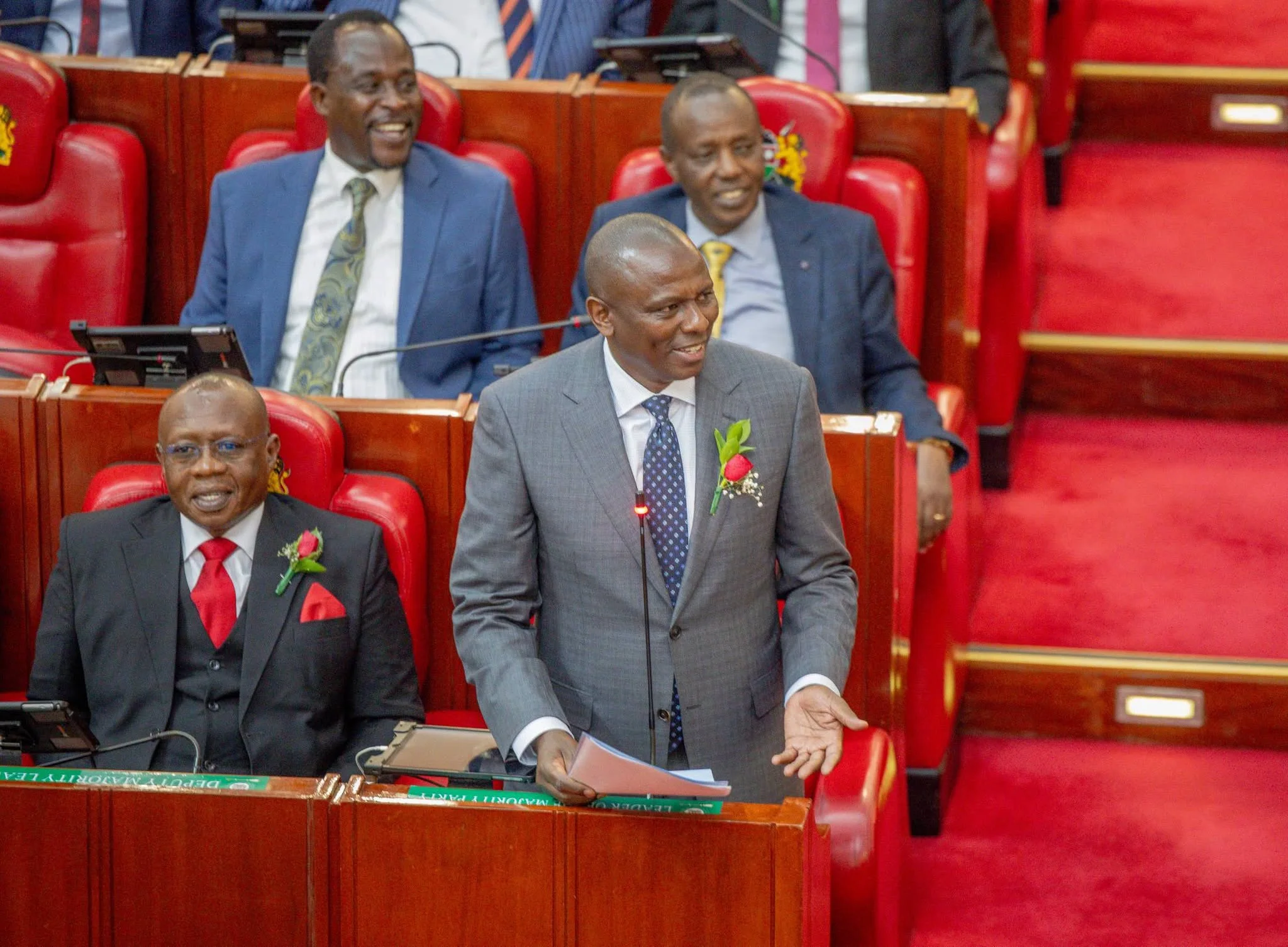
MPs Pass Bill to Extend Fuel VAT Relief, Cut Taxes on Ceramic Tiles
Kenyans could continue benefiting from lower fuel taxes for up to six months, while the cost of imported ceramic tiles could fall, following the National Assembly’s passage of a Bill proposing changes to petroleum and construction-related taxes.
The Tax Laws (Amendment) Bill, National Assembly Bill No. 65 of 2026, passed on October 14, 2026, seeks to maintain the reduced Value Added Tax (VAT) rate of eight per cent on petrol, diesel and kerosene for another 90 days, with a further three-month extension possible if tensions in the Middle East continue.
The Bill also proposes changing how excise duty on imported ceramic tiles is calculated, a move expected to reduce the tax burden on importers and help lower construction costs.
Sponsored by National Assembly Majority Leader Kimani Ichung’wah, the proposed changes are intended to shield households and businesses from fluctuations in international oil prices while making construction materials more affordable.
Moving the Bill in the House, Ichung’wah said extending the reduced VAT rate would give consumers more time to benefit from lower fuel taxes as uncertainty over the conflict in the Middle East continues to affect global oil markets.
“We need to amend the VAT Act to extend the reduced rate for another 90 days, in the hope that the war in the Middle East will come to an end. If it does not, we are also allowing the Cabinet Secretary the latitude to extend the period for a further three months,” he said.
“This guarantees Kenyans continued access to the lower VAT rate of eight per cent on fuel for up to six months.”
Under the proposal, VAT on the three petroleum products would remain at eight per cent instead of reverting to the standard rate of 16 per cent during the extended period.
The measure comes amid concerns over the effects of global oil price changes on Kenya’s economy, where fuel costs influence transport fares, food prices, manufacturing expenses and the general cost of living.
Chairperson of the Finance and National Planning Committee Kimani Kuria, who seconded the Bill, said geopolitical tensions had put pressure on international oil prices, making continued tax relief necessary to protect consumers from higher costs.
Kuria noted that the government had forgone approximately Sh54 billion in revenue over the preceding six months through fuel tax relief measures.
Lawmakers backing the extension argued that allowing fuel taxes to rise could trigger further increases in the cost of living, particularly for households and businesses that depend on road transport and petroleum-powered operations.
Mwea MP Mary Maingi said the proposed extension would help households cope with rising expenses, noting that higher fuel prices often translate into increased matatu fares and food costs.
Suba South MP Caroli Omondi called for a government-to-government framework for petroleum imports, arguing that it could help reduce procurement costs by eliminating unnecessary intermediaries.
Proposed tax cut on ceramic tiles
Beyond fuel taxation, the Bill seeks to amend the Excise Duty Act by changing the basis for calculating excise duty on ceramic tiles from weight to surface area.
Under the existing framework, ceramic tiles attract excise duty of either five per cent of their excisable value or Sh50 per kilogramme.
Ichung’wah told the House that the weight-based system could place an unfair tax burden on importers because ceramic tiles are relatively heavy compared with their market value.
He cited a container carrying approximately 25,000 kilogrammes of ceramic tiles, which could attract about Sh1.25 million in excise duty under the current arrangement.
Under the proposed changes, the tax payable on a typical consignment could drop from between Sh1.2 million and Sh1.5 million to approximately Sh420,000 to Sh600,000, depending on the consignment.
The proposed amendment also covers other ceramic products and bathroom ware, widening the scope of the planned changes beyond floor and wall tiles.
MP Kwenya Thuku welcomed the proposals, saying they were intended to protect consumers from excessive taxation and rising construction costs without disadvantaging local manufacturers.
The proposed reduction in taxes on ceramic products is also expected to support the government’s affordable housing agenda by lowering the cost of construction materials.
The National Assembly’s passage of the Bill marks a step towards extending the reduced fuel VAT rate and changing the taxation of ceramic products. However, implementation will depend on the completion of the remaining legislative and legal requirements.