The Law Society of Kenya (LSK) has outlined the ongoing transition of the Judiciary’s criminal pro bono legal aid scheme to the National Legal Aid Service (NLAS), with funding, case registration, advocate facilitation, and settlement of pending bills among issues being addressed.
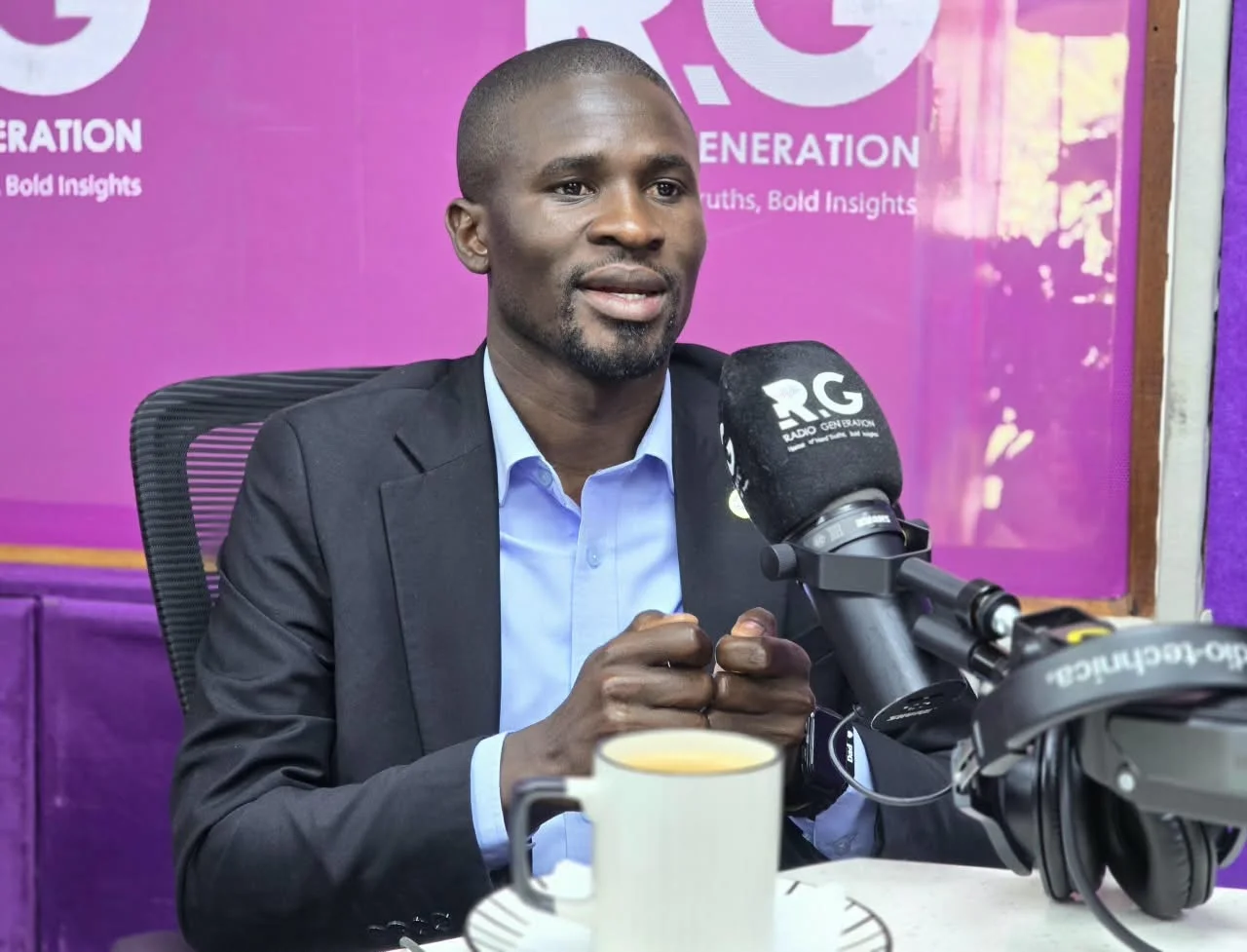
Speaking on Radio Generation on Friday, LSK Council member and transition committee member Wycklife Oyoo said LSK was an integral part of the process because advocates provide a significant share of legal aid services.
Oyoo said the transition involves several justice-sector stakeholders, including the Office of the Director of Public Prosecutions, National Police Service, accused persons, victims of crime and members of the public.
He maintained that the committee was specifically working on transferring the criminal component of the pro bono scheme administered by the Judiciary to NLAS, while LSK would continue providing civil legal aid services.
“For the transition scheme, the transition committee deals with the pro bono scheme that was being administered by the Judiciary, being primarily the criminal side. NLAS has been offering the civil side of it and is continuing to do so. But our focus is: how do we get the pro bono scheme from the Judiciary on the criminal aspect to NLAS.”
The transition is taking place within the framework of the Legal Aid Act, 2016, which established NLAS and gave it responsibility for administering a national legal aid scheme and assigning legal aid providers to people granted assistance.
The law also provides for legal representation, legal advice and other forms of assistance for eligible persons.
The Constitution guarantees an accused person the right to choose and be represented by an advocate and, where substantial injustice would otherwise result, to have an advocate assigned at state expense. Courts have clarified that the right to state-funded representation is not automatically available in every criminal case and must be assessed against circumstances including the seriousness and complexity of the case and the accused person's ability to represent themselves.
The LSK Council member maintained that funding remained a central issue as the responsibility moves from the Judiciary to NLAS.
He explained that advocates handling pro bono cases still incur expenses such as transport, printing and court attendance, despite providing services without charging the accused person.
“Pro bono is not really pro bono because even if you are offering pro bono services, you may need facilitation to attend court, to print, to move from one place to another. So there is a fee the Judiciary has been giving of 30,000 shillings to advocates who offer pro bono, and one of the things we are also discussing is how we can increase that amount.”
The Sh30,000 figure is also reflected in the Judiciary's practice directions, which provide for an all-inclusive payment to advocates undertaking pro bono briefs.
Oyoo elaborated that discussions were ongoing on increasing the amount to Sh45,000, while LSK was seeking a further review to account for inflation and higher operating costs.
He identified the registration and allocation of cases as another challenge, particularly the integration of NLAS into the Judiciary's electronic filing system.
“The second thing is then how do we assign these cases, and how do we then incorporate NLAS into the Judiciary's e-filing portal that I have mentioned?”
The scale of the legal aid mandate makes the transition significant. Government budget data shows NLAS had an allocation of about Sh125.2 million in 2024, up from Sh49 million in 2023. The 2024 budget framework set targets of providing legal aid to 140,000 indigent people, rising to 160,000 by 2026.
NLAS currently provides legal aid in civil, criminal, children's, constitutional and public-interest matters. Its official information lists offices in Nairobi, Kisumu, Mombasa, Nakuru and Eldoret, while the service has also been expanding its community outreach.
The lawyer maintained that transferring the function must also involve transferring adequate resources.
“The Judiciary has a budget, and under the law, which budget they say is very little. But when it transitions to NLAS, then the financial responsibility must also move. Because the general principle is that when you assign a state body functions, you must give it the resources to carry out that function.”
He explained that the transition, initially expected to take effect on July 1, had been extended by six months to December 31 to allow the committee to resolve outstanding issues.
Oyoo maintained that the arrangement also covers pending payments to advocates who had already provided services before the transition.
He acknowledged the Judiciary was expected to settle bills for services rendered before July 1, while LSK was collecting information from advocates with outstanding claims.
“We have an arrangement with the Judiciary. For example, that they pay till the first of July. All bills till the end of June 31 should be paid by the Judiciary, and the mechanism of doing that is also something we are coming in to ask our members, tell us those who have pending bills, so that we put them before the Judiciary and before the committee for settlement before we transition.”
He also maintained that LSK was also engaging the public to ensure beneficiaries understood the changes and continued accessing legal representation during and after the transition.