
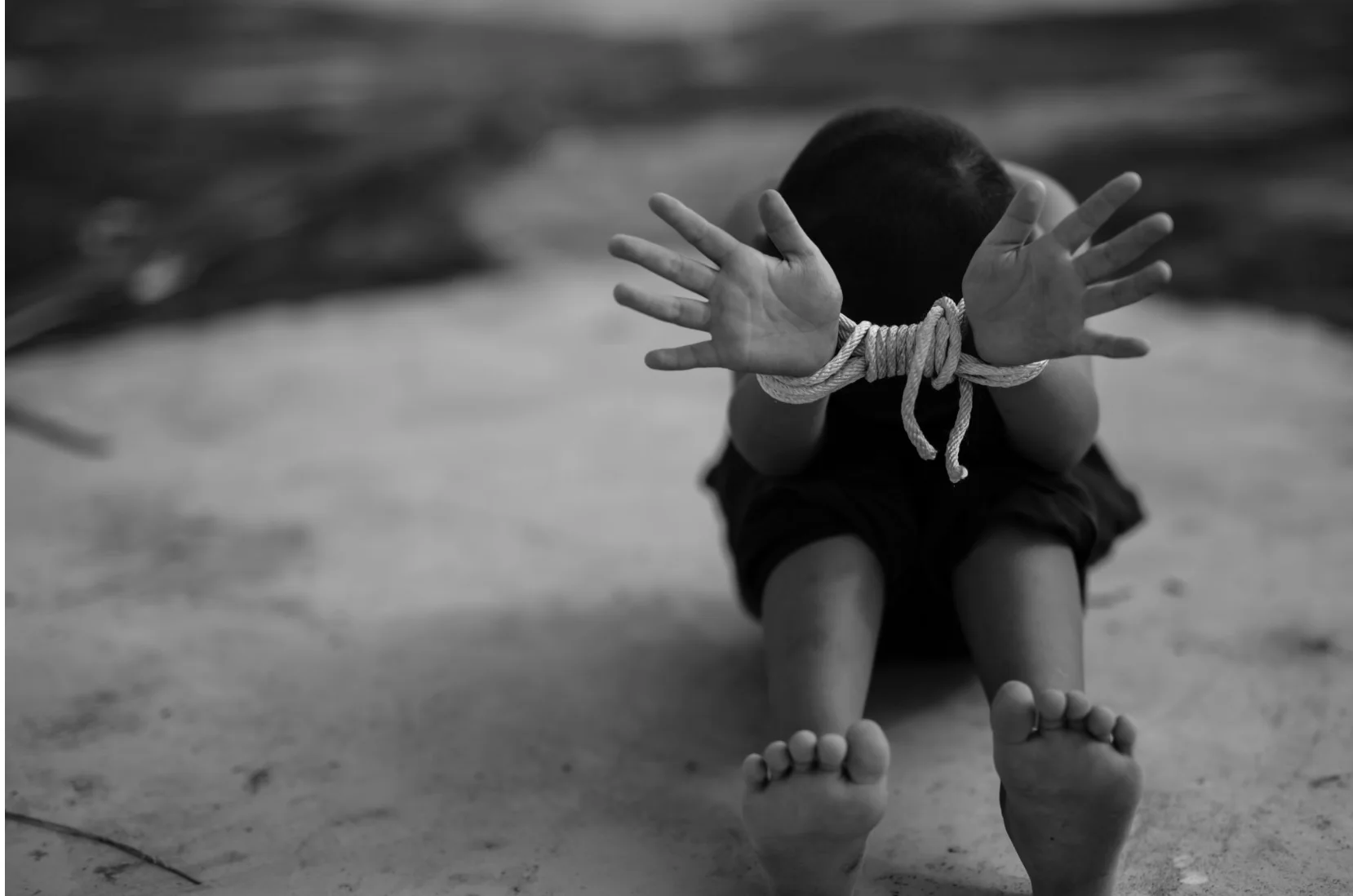
Children across Kenya are facing a growing risk of being trafficked as poverty, broken family structures, displacement and the rapid spread of online platforms create new opportunities for exploitation, a new study has found.
The National Crime Research Center study shows that child trafficking has taken different forms, ranging from sexual exploitation and forced labour to illegal adoption, begging and involvement in criminal activities.
Researchers warned that the extent of the problem may be much larger than official figures show because government agencies do not maintain consistent records on trafficking cases.
The lack of reliable and uniform data, they said, could make it difficult to measure the scale of trafficking, identify changing patterns and put in place effective measures to protect children.
The research focused on 13 counties considered trafficking hotspots. They are Nairobi, Kiambu, Kajiado, Kilifi, Kwale, Narok, Nakuru, Kisumu, Kakamega, Wajir, Garissa, Kisii and Migori.
A total of 390 people participated in the research through key informant interviews and focus group discussions. Those involved included government officials, security officers, civil society organisations, community and religious leaders, child protection actors, women’s groups and other stakeholders.
Most of those interviewed said trafficking had become more common in recent years, citing an increase in child labour, sexual exploitation, forced begging, illegal adoption and the movement of children within and outside the country.
The study found that the risks differ depending on a child's age and gender.
Young boys aged between one and five were reported to be especially vulnerable to illegal adoption. As boys grow older, the risks shift towards labour exploitation and recruitment into criminal activities.
Girls between five and 17 were found to face greater exposure to sexual exploitation, domestic labour and forced marriage. Researchers said girls were more affected by trafficking than boys in most of the areas covered by the study.
Children living with disabilities were also identified as being at high risk, particularly of forced begging in urban areas such as Nairobi, Kiambu and Kisumu.
The research further showed that trafficking does not follow county boundaries. Networks move children between different counties and across international borders, with some locations serving as places where children are recruited, moved through or exploited.
Kiambu, Nairobi, Narok, Kilifi, Kwale, Migori, Kajiado and Nakuru were identified as major destination counties.
The demand for children to work in agriculture, manufacturing, domestic employment and small businesses was cited as one of the factors attracting traffickers to these areas. Tourism and urban economies were also linked to sexual exploitation.
Garissa, Wajir, Kisumu and Kakamega were identified mainly as source areas. Researchers linked this vulnerability to poverty, drought, limited job opportunities, displacement and high numbers of children who are out of school.
Migori, Narok and Kajiado were identified as important routes for moving children, particularly because they are close to Tanzania. Nakuru was also identified as a key transit point because of its major transport connections.
The study found that the networks are not confined to Kenya. Trafficking routes extend into other East African countries and destinations including Somalia, Libya and Saudi Arabia.
At the same time, Kenya receives children trafficked from neighbouring countries, including Burundi, Rwanda, Uganda, the Democratic Republic of Congo and Tanzania.
Economic hardship was identified as a major factor behind the trafficking of children.
Researchers found that traffickers often approach vulnerable families with offers of jobs, education, financial assistance or promises of improved living conditions before exploiting the children.
Family instability, parental absence, neglect, poor supervision, peer pressure and disability were also identified as factors that can increase a child's vulnerability.
Environmental and social disruptions are adding to the problem. Drought, climate-related migration, communal conflict, forced evictions and displacement can break up families and weaken community systems that would otherwise help protect children.
The study also pointed to harmful cultural practices as another source of risk in some communities.
Child marriage and female genital mutilation were identified among the practices that can expose children to trafficking. Researchers found that children who try to flee such practices may become easy targets for traffickers who exploit their vulnerable situation.
The internet has added another dimension to the problem.
Facebook, TikTok, Instagram and WhatsApp were identified as platforms increasingly being used to groom and recruit children.
Researchers said children with unsupervised access to phones and other digital devices can be approached by potential traffickers online, creating a need for protection efforts that address both the physical and digital spaces in which children spend time.
Making money was identified as the leading motivation behind trafficking.
Sexual exploitation emerged as one of the main forms of trafficking, with girls aged between 13 and 17 particularly affected.
Other cases documented in the study involved children being forced to beg, sell drugs, pick pockets and take part in other criminal activities.
The research also recorded allegations that extremist networks have recruited and indoctrinated children in parts of Garissa, Wajir, Nairobi and Kwale.
In addition, researchers documented reported cases involving trafficking for ritualistic purposes. There were also allegations of children with albinism being moved across borders for exploitation associated with ritual beliefs.