
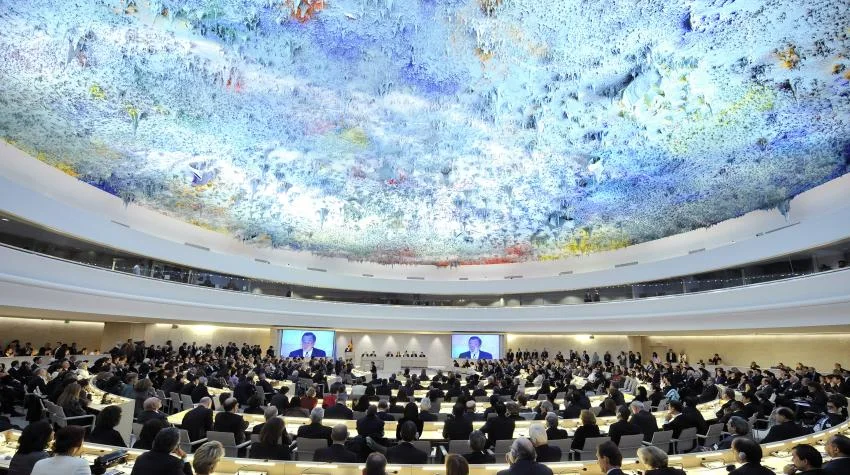
Fifteen countries, including Ghana, Nigeria, Zambia and Germany, have secured places on the United Nations Human Rights Council for the 2027-2029 term following an election by the UN General Assembly in New York, setting the stage for a new group of nations to take part in global efforts to protect human rights.
The countries elected during Tuesday’s vote are Germany, Ireland, Brazil, Burundi, the Dominican Republic, Ghana, Japan, Kuwait, Jordan, Nepal, Nigeria, the Republic of Moldova, Ukraine, Uruguay and Zambia.
The successful candidates won seats through a majority vote, with their three-year terms set to begin in 2027.
The council is based in Geneva, Switzerland, and is responsible for addressing human rights concerns and promoting their protection around the world.
Germany and Ireland were the only candidates for the two seats allocated to Western European countries, making their election widely anticipated.
Germany received 163 votes, comfortably surpassing the required majority to secure its return to the council.
Reacting to the outcome, German Foreign Minister Johann Wadephul said his country intended to work with other nations to strengthen the institution and improve the protection of human rights globally.
Wadephul said Germany would use its membership "to strengthen the Human Rights Council together with [its] partners and to improve the protection of human rights worldwide."
Germany’s election marks the sixth time it will serve on the council since the body was established 20 years ago. The country last held a seat between 2023 and 2025.
The latest victory also offers Germany another opportunity to strengthen its presence within the United Nations after an unsuccessful attempt to secure a non-permanent seat on the UN Security Council earlier this year.
In June, Germany lost the contest to European Union members Portugal and Austria. The defeat triggered debate within the country over whether its large financial contributions to the United Nations were being matched by sufficient influence in the organisation’s key decision-making bodies.
Germany’s return to the Human Rights Council provides a fresh opportunity for the country to work alongside other member states on international human rights matters.
The newly elected nations will serve for three years, taking part in the council’s work as the United Nations continues efforts to address human rights violations and promote respect for fundamental freedoms worldwide.