
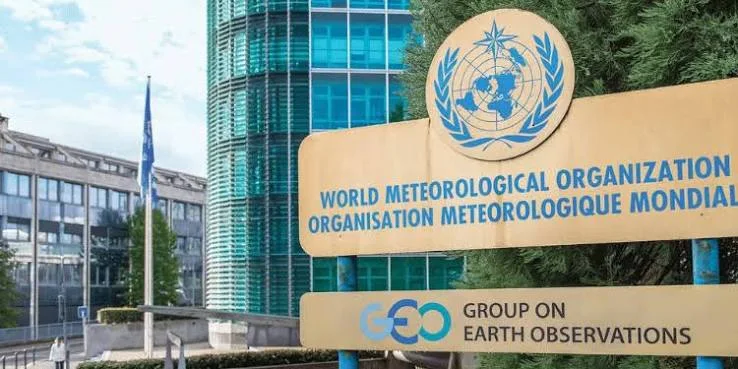
The World Meteorological Organization (WMO) warned that El Niño could become one of the strongest on record, with record-breaking Pacific Ocean temperatures expected toward the end of 2026 and the risk of extreme weather extending into 2027.
The warning comes as governments prepare for the possible effects of the climate phenomenon, which can disrupt rainfall patterns, increase temperatures and raise the risk of floods and droughts in different parts of the world.
WMO forecasts that the event will peak around December and will almost certainly persist through February 2027.
In its latest seasonal climate update released on Thursday, October 8, 2026, the agency said sea-surface temperature anomaly in the central and eastern equatorial Pacific could reach about 3.7°C above normal between October and December. This would surpass the previous record of 2.6°C recorded between November 2015 and January 2016.
“El Niño is firmly established and strengthening rapidly. WMO forecasts indicate a near-100 per cent likelihood that it will persist through February 2027, potentially being one of the strongest since at least 1950,” WMO Secretary-General Celeste Saulo said.
The agency warned that the strengthening event was likely to bring above-average temperatures to much of the world while shifting rainfall patterns, increasing the likelihood of flooding in some regions and drought in others.
The latest forecast also points to wetter-than-normal conditions across the Greater Horn of Africa, including Kenya, during the October-December rainy season.
WMO said excessive rainfall could improve water and pasture availability but could also trigger floods, destroy crops and damage infrastructure, and increase the risk of waterborne and vector-borne diseases.
In Kenya, the government has stepped up preparations, requiring all 47 counties to map flood-prone areas, identify safe evacuation grounds and put measures in place to protect lives and infrastructure.
Principal Secretary for Broadcasting and Telecommunications Stephen Isaboke, who chairs the National Crisis Communication Standing Committee, said authorities would use radio, digital platforms and local administration structures to ensure warnings reach communities.
“An accurate forecast, like what we are dealing with, or a technical advisory can only protect lives and livelihoods when it reaches the people who need it, in good time, through channels they can access, and in a form they can understand and act upon,” Isaboke said.
The government has also announced a Sh2.1 billion livestock protection programme initially targeting 24 vulnerable counties: Garissa, Tana River, Lamu, Kilifi, Isiolo, Wajir, Mandera, Marsabit, Turkana, Samburu, Narok, Kajiado, Baringo, West Pokot, Busia, Kisumu, Siaya, Migori, Homa Bay, Kitui, Makueni, Machakos, Meru and Embu.
The Ministry of Health had also issued an advisory to all 47 counties, warning that flooding could contaminate water sources and create breeding grounds for mosquitoes, increasing the risk of cholera, typhoid, malaria and other diseases.
Public Health Principal Secretary Mary Muthoni urged county governments and communities to act early.
“Early action saves lives,” the PS said, noting that lessons from previous El Niño emergencies have informed earlier and better-coordinated preparedness measures this time around.
Globally, WMO says coordinated forecasts and early-warning systems are vital to help governments and humanitarian agencies prepare for the potential impacts.
The agency stressed that seasonal forecasts indicate probabilities rather than guaranteeing specific weather conditions in every location.