
The Selection Panel tasked with recruiting members of Kenya’s Waqf Commission has submitted eight nominees for appointment, paving the way for the establishment of the statutory body responsible for overseeing Islamic charitable endowments.
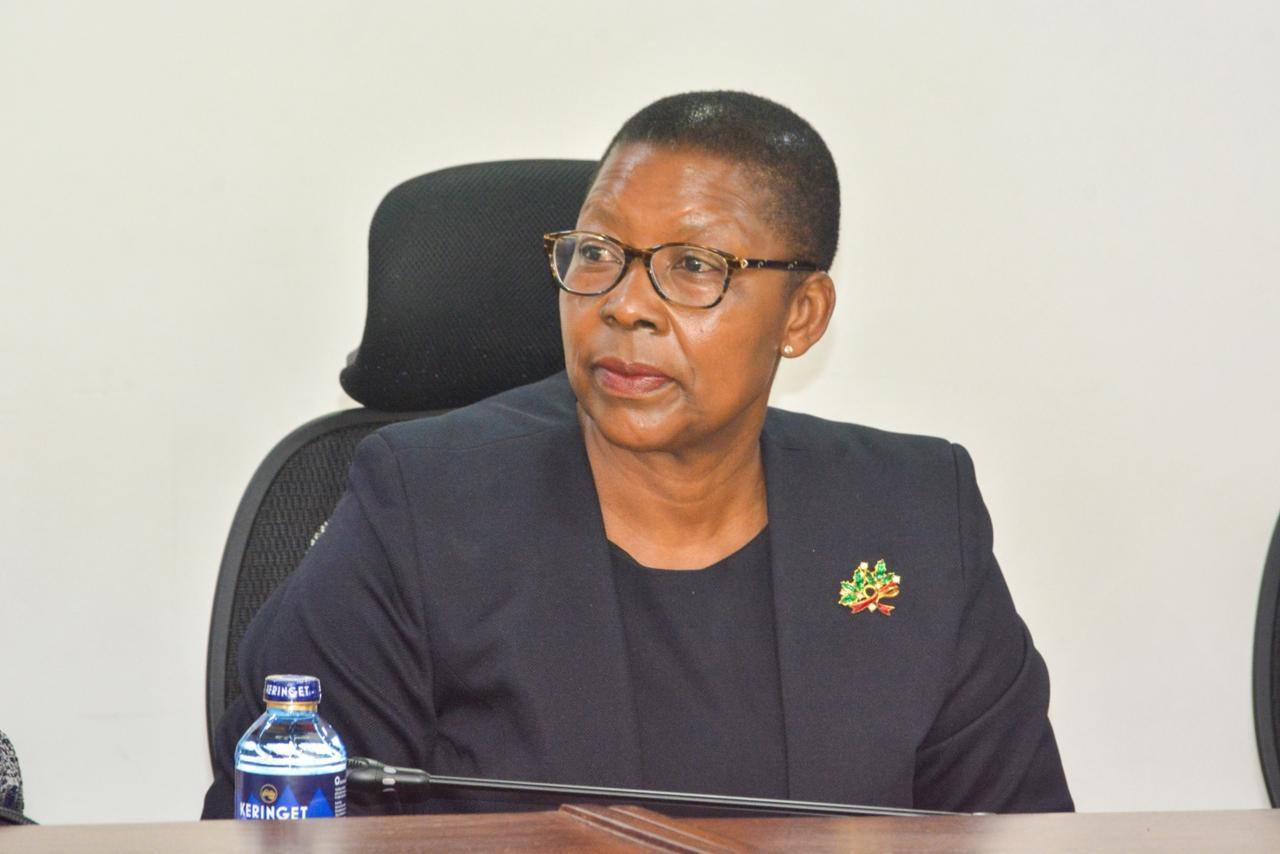
In a statement on October 14, 2026, Attorney General Dorcas Oduor said the panel had completed its mandate and submitted its final report to the Office of the Attorney General for consideration and formal appointments.
The panel was constituted through Gazette Notice No. 18996 on December 24, 2025, under Section 7 of the Waqf Act, 2022.
The proposed membership comprises one alim, or Islamic scholar, one prominent businessperson or entrepreneur, and six professionals with relevant technical expertise.
The composition is intended to combine Islamic jurisprudence, business knowledge and professional experience to strengthen the governance and administration of awqaf, which are charitable endowments established for religious and public-benefit purposes.
Established under Section 5 of the Waqf Act, the commission is mandated to register waqf properties, oversee their management and ensure that endowed assets are preserved and used for their intended purposes.
Its responsibilities also include developing policies, supervising the operations of registered properties, building trustees’ capacity, raising public awareness and overseeing the collection of zakat and other charitable contributions.
The recruitment process attracted 148 applications, from which 35 candidates were shortlisted for interviews conducted between September 14 and September 18, 2026, at the Attorney-General’s Chambers in Nairobi.
The panel also received 39 written submissions from members of the public following an invitation to the Muslim community to provide views on the shortlisted candidates.
Candidates underwent in-person interviews, practical exercises tailored to different categories of nominees, verification of documents and statutory clearance procedures. Their suitability was assessed against legal and technical competence, as well as leadership and integrity requirements under Chapter Six of the Constitution.
The selection process also involved consultations with Muslim institutions and communities in Nairobi, Nakuru, Garissa, Kisumu, Mombasa and Malindi.
“The consultations underscored the importance of trustworthy leadership, protection of endowed property, reliable records, accessibility of services across the country, and enhanced public understanding of waqf and the Commission’s mandate,” Oduor said.
Beyond identifying nominees, the panel recommended measures to improve the management of waqf properties across the country.
Among its priorities is the digitisation of records covering properties, title deeds, leases, trustees, beneficiaries, income, liabilities and legal disputes.
The panel also called for the timely development of regulations to support registration, reporting and implementation of the Waqf Act.
The proposed reforms are intended to strengthen accountability, improve record-keeping and help protect assets entrusted for charitable and religious purposes.
With the selection process complete, the Office of the Attorney General will process the recommendations before formally appointing the commission members in accordance with the law.
“The Office of the Attorney General remains committed to upholding the rule of law, promoting transparent and accountable public appointments, and facilitating the effective implementation of the legal and institutional framework governing the administration and management of awqaf in Kenya,” Oduor said.
The appointments are expected to advance the operationalisation of the commission and establish a formal institutional framework for overseeing Islamic charitable endowments in Kenya.