
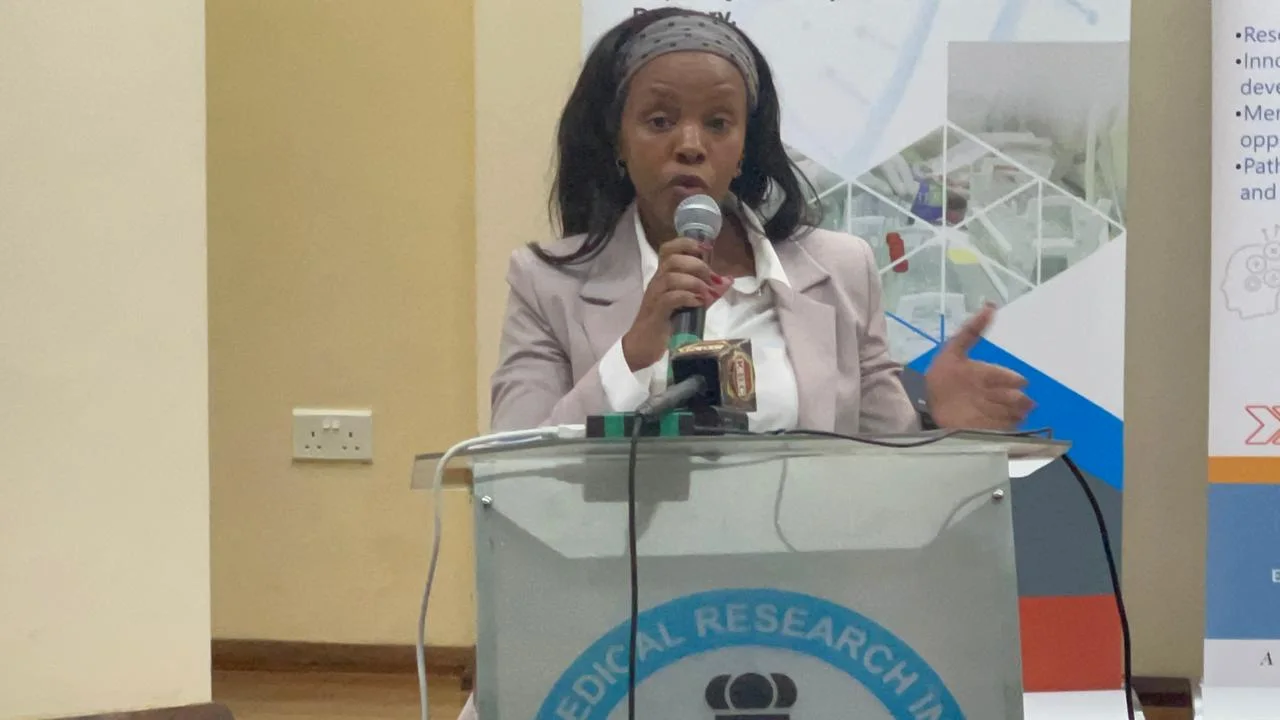
African researchers and innovators are urging funders, investors, and policymakers to support women’s health research and turn local discoveries into accessible treatments, warning that funding and partnership gaps are keeping promising solutions from reaching the women who need them.
The call comes ahead of the first Women’s Health Ecosystem Forum (WHEF 2026), which will be held at the Nairobi Serena Hotel from November 2 to 5, bringing together researchers, innovators, investors, donors and industry partners to strengthen links between research, product development and investment.
Prof Nyawira Gitahi of the Leadership for Innovation and Excellence in Accelerating Research in Women’s Health in Africa (LEA-WH) Fellowship said the continent had the talent and research needed to address women’s health challenges, but connections between the different players remained weak.
“Our goal in LEA-WH is to rebuild these connections, to ensure that there is research and innovation, product development, and the policy that supports it, so that we can actually make the difference,” she said.
The forum will focus on conditions including cervical cancer and human papillomavirus (HPV), sexually transmitted and reproductive tract infections, menstrual health, endometriosis, menopause, the vaginal microbiome and contraceptive technologies.
Organisers say many of these issues remain under-researched or underfunded, leaving women struggling with conditions that can affect their health, livelihoods and quality of life.
Gitahi cited women experiencing heavy menstrual bleeding without receiving clear answers about its causes, saying there was a need for solutions that could address such problems.
“We need solutions to this side of the problem,” she said, adding that research and innovation existed but were not making enough impact because broken links between researchers, product developers, and those able to fund or commercialise their work limited their reach.
Under WHEF 2026, fellows will present their work through two tracks. The Boma Demo Day will let product development and innovation fellows pitch prototypes, products, and business models to investors, accelerators, and industry partners.
The Baraza Briefs will give reproductive health research fellows an opportunity to present findings and grant proposals to potential funders for peer review and non-dilutive funding support.
Gitahi urged stakeholders to join the initiative, saying partnerships were essential to move innovations from laboratories and research journals into health facilities where women could access them.
“This is my call to action. We all need to join the ecosystem,” she said.
The LEA-WH Fellowship welcomed its first cohort of 20 fellows in May 2026, with three annual cohorts and 60 fellows planned over three years.
The programme aims to help bring five to 10 women’s health products to market, support the establishment of start-up companies and catalyse about US$3.5 million in funding for research and innovation.
Gitahi said the aim was to build partnerships that would continue beyond the forum and individual fellowship cohorts, enabling African-led solutions to reach more women.
“Instead of the research sitting in our journals, prototypes sitting in our labs, we need to make sure that we build the connection,” she said.