
KEBS warns of unsafe aflatoxin levels in cereals as food safety checks intensify
Aflatoxins are toxic substances produced by moulds that develop in cereals such as maize and sorghum, especially when drying and storage conditions are poor.
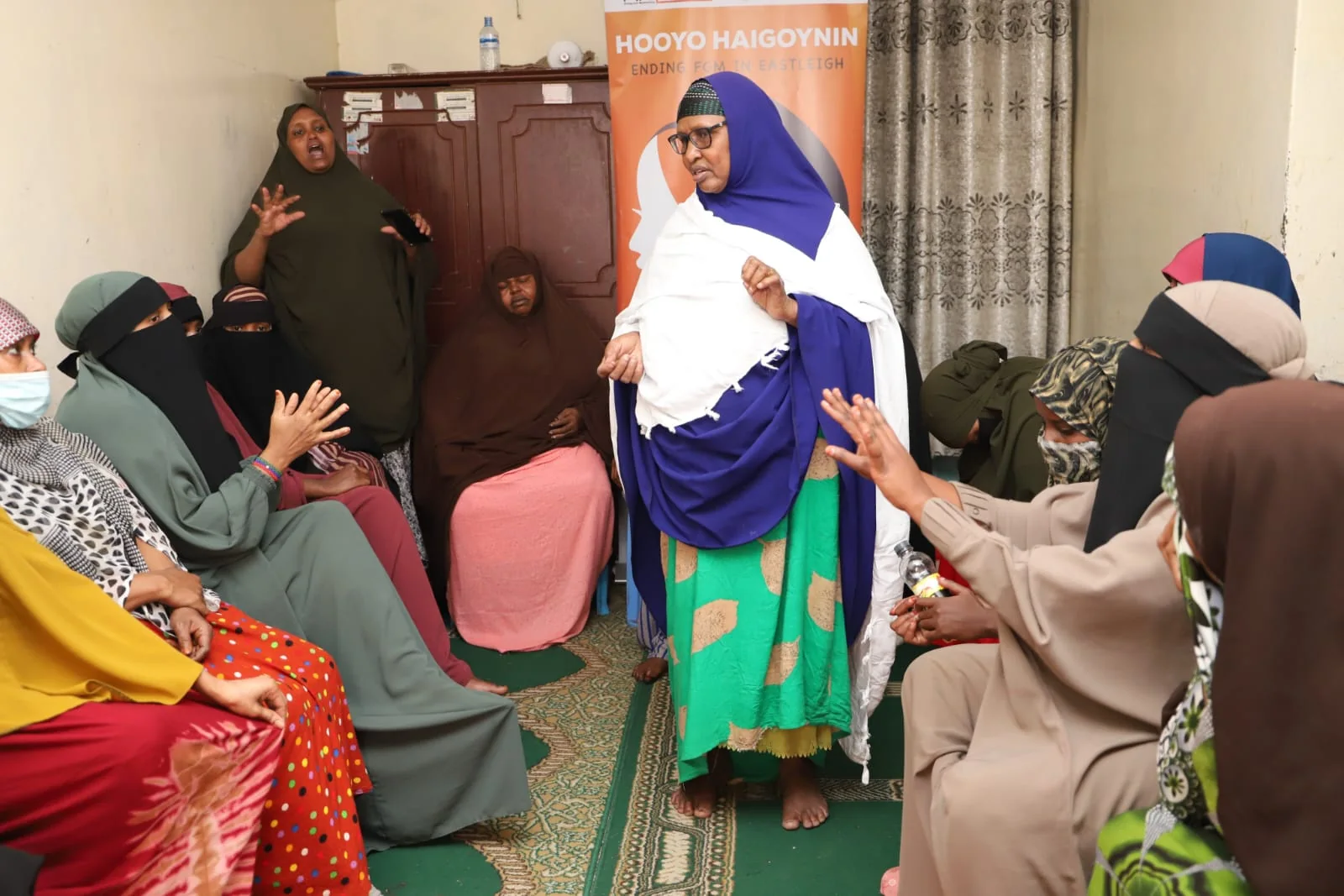
The engagement, organised in partnership with Zinduka e.V., brought together members of the Somali community, youth, families and religious leaders to discuss the harmful effects of FGM and ways to end the practice.
DRC Health Minister Samuel Roger Kamba said the death toll linked to the outbreak has reached an estimated 131 people from 513 suspected cases. The latest figures mark a sharp increase from the earlier reported 91 deaths out of 350 suspected infections.
Latest figures from the Kenya National Bureau of Statistics show that electronic waste rose by 4.5 percent in 2025, reaching 55,956 metric tons, compared to 53,559 metric tons the previous year. The trend reflects a steady climb from 48,461 tonnes recorded in 2021, pointing to a growing challenge in managing discarded electronics.
Oral cholera vaccines are recommended for anyone aged one year and above, with a single dose providing protection for at least six months and two doses extending protection up to three years.
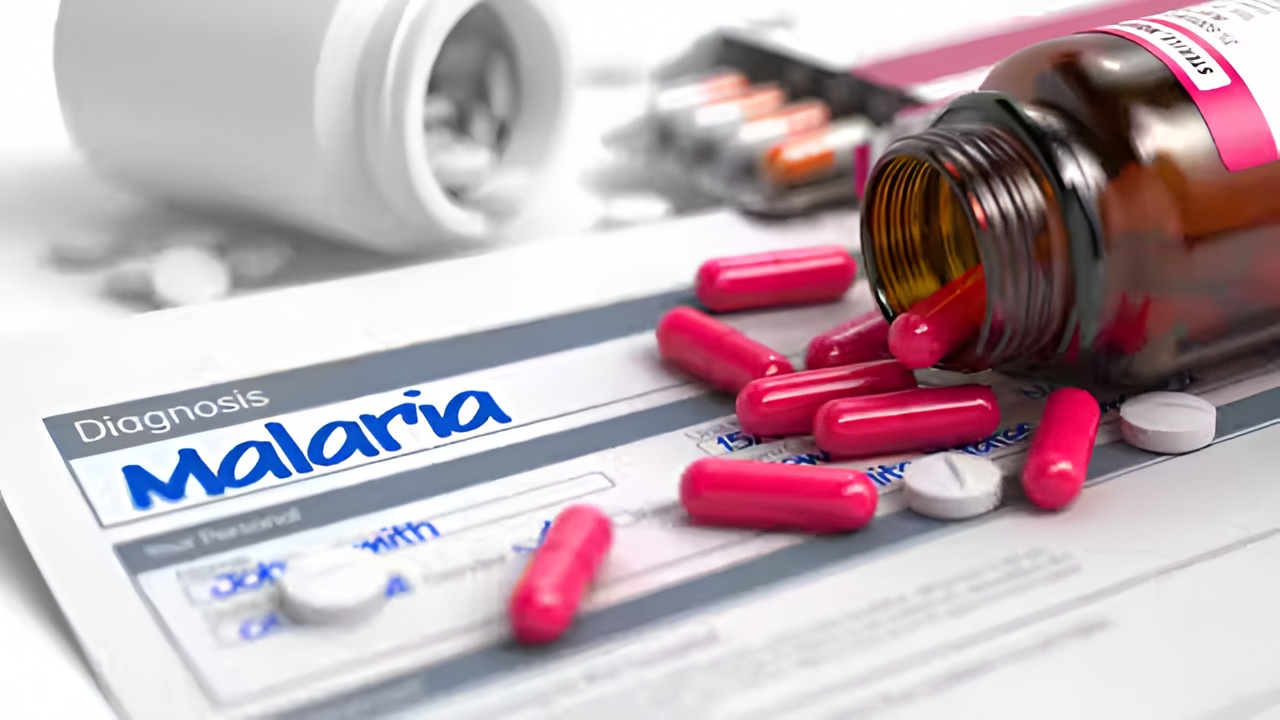
Experts warn that if the current Artemisinin-based Combination Therapy (ACT) fails without a viable replacement, Kenya’s malaria control strategy could be severely undermined.
The report, titled Global Tobacco Epidemic 2025, applauds global progress in reducing tobacco use but cautions that uneven enforcement especially in countries like Kenya threatens to undo years of hard-won progress.
According to a detailed analysis of 574 tobacco health warning captions collected from different countries, the WHO report found that 67 per cent of the messages highlighted direct health effects to individuals.
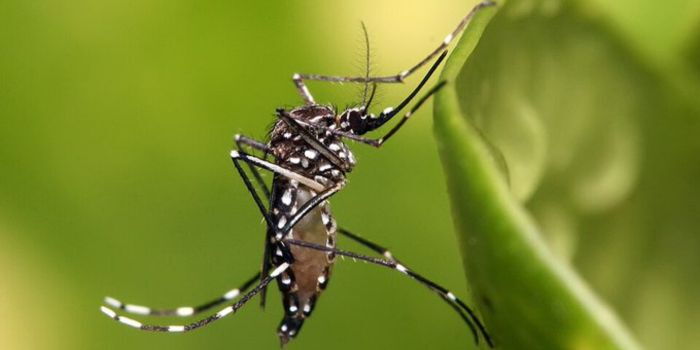
Researchers warn this mosquito, which thrives in urban environments, could change how and where malaria spreads in the country.
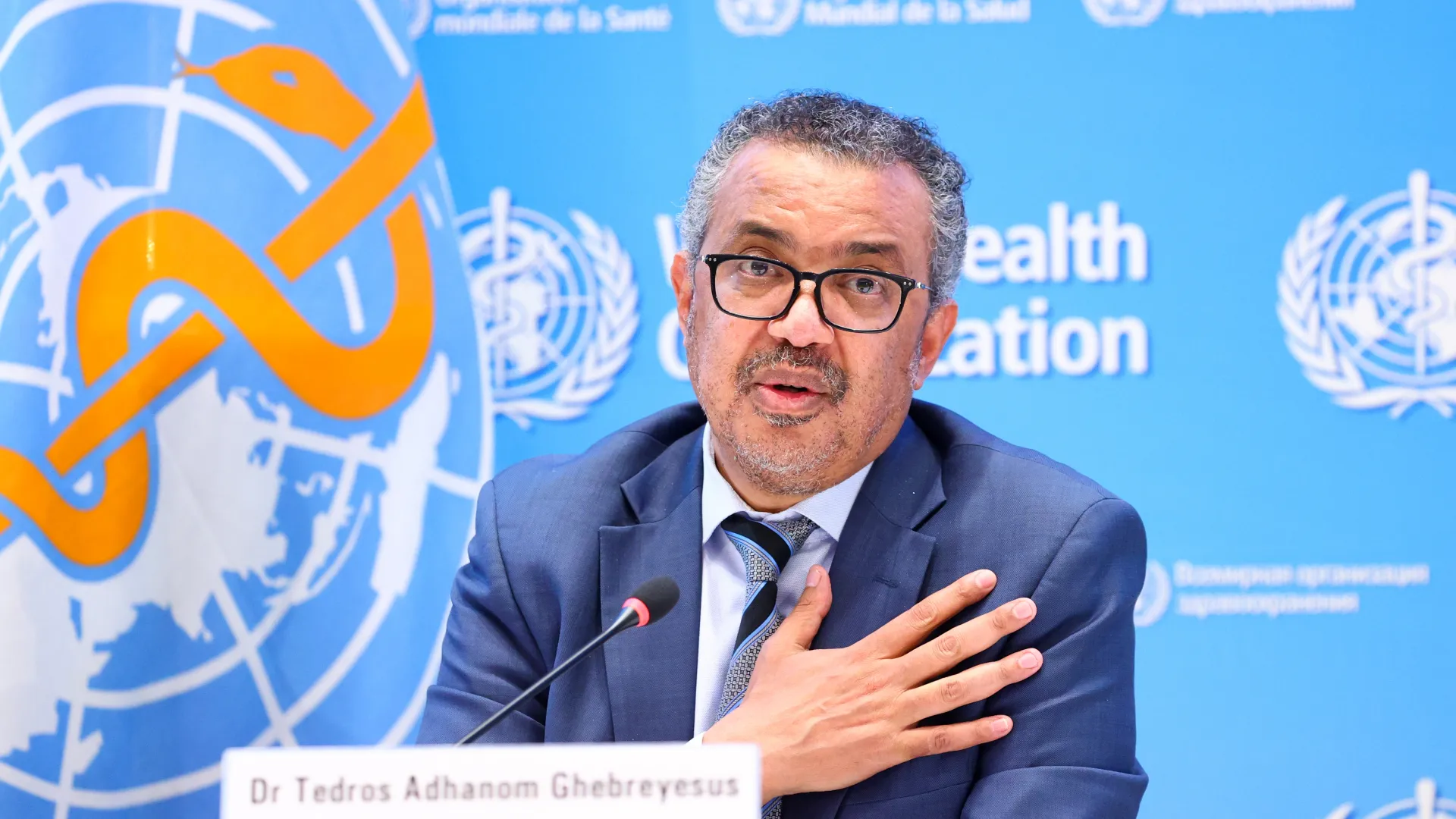
The agreement is being viewed as a major success for the WHO, especially at a time when global organisations have faced challenges due to cuts in foreign aid.