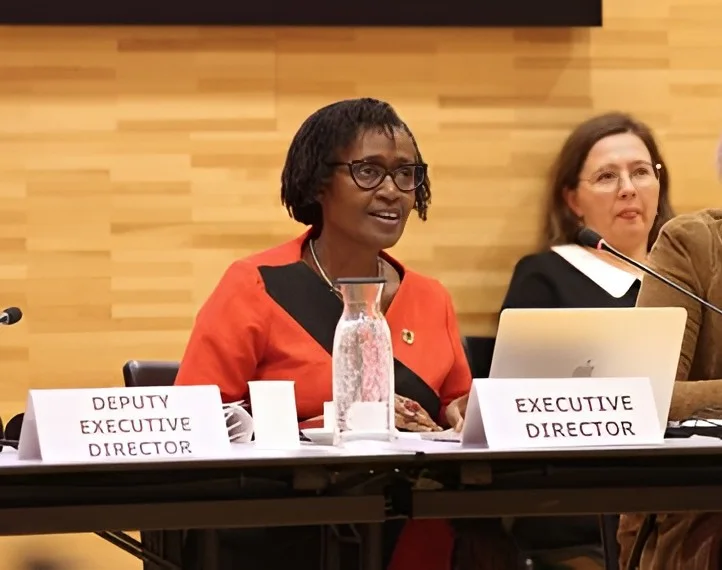
UNAIDS board rules out shutdown, pledges continued HIV support
The decision comes amid funding cuts and the possibility of the programme withdrawing from some countries, raising concerns about continuity of HIV-related services
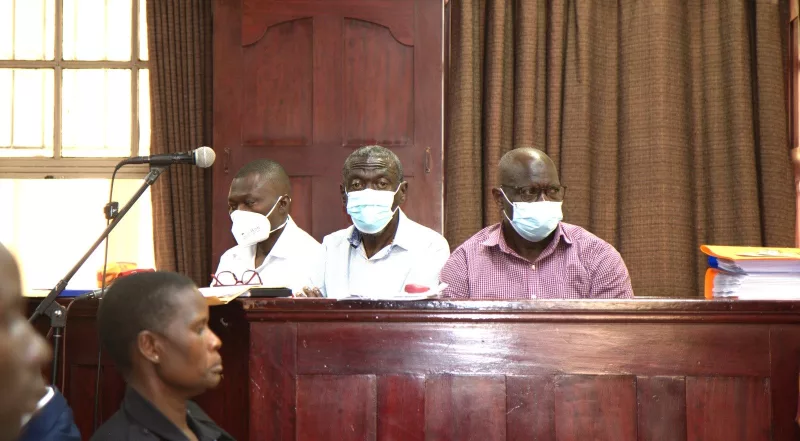
Besigye was reported missing on November 16, 2024, while in Nairobi for the launch of a book by former Kenyan Justice Minister Martha Karua. Amnesty International said he resurfaced on November 20, when he was brought before the General Court Martial in Kampala, where he was charged alongside his colleague Haji Obeid Lutale
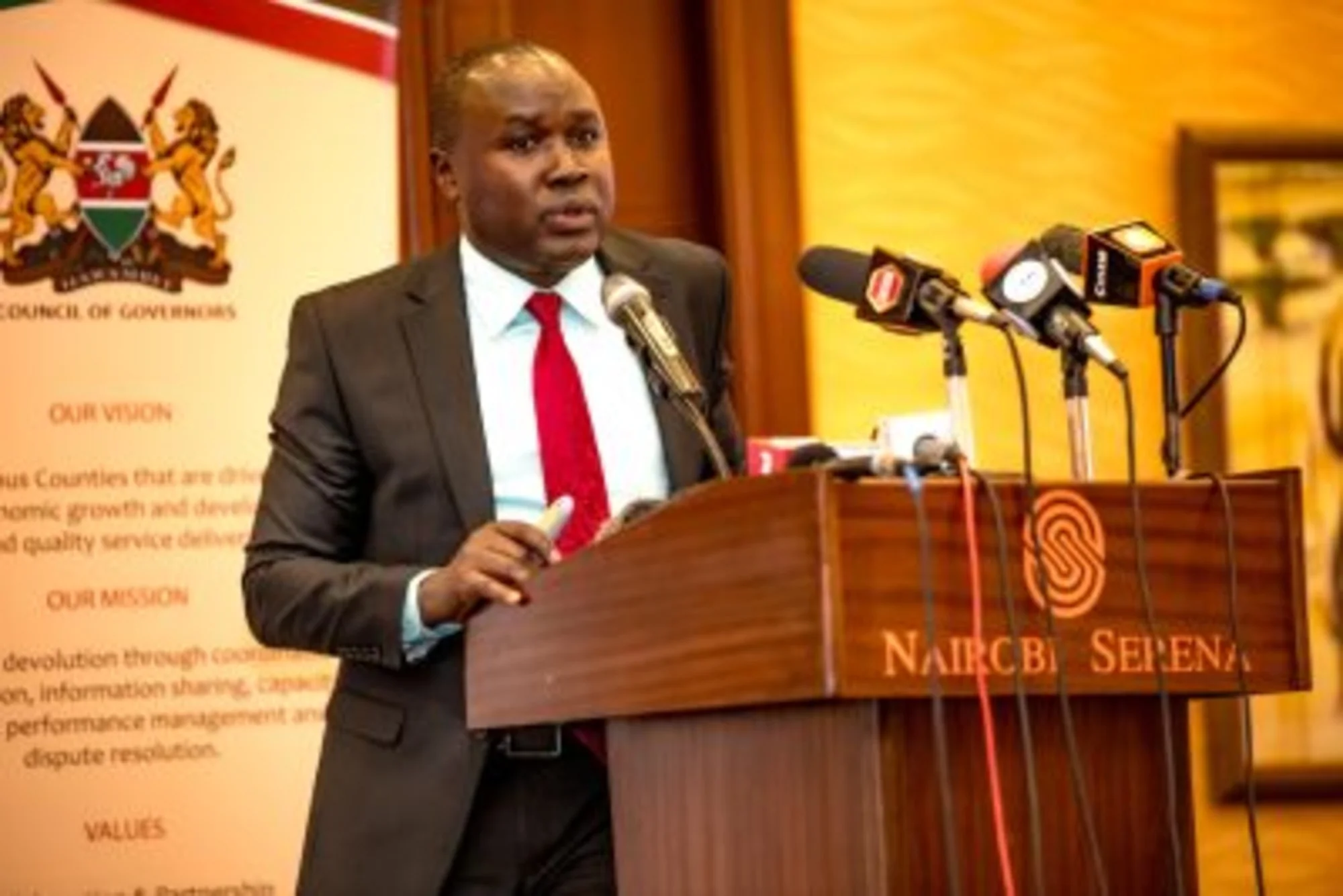
Dr Andrew Mulwa, head of the National Aids and STI Control Programme (Nascop), said the change would be important as Kenya works to maintain HIV services while relying more on government funding.
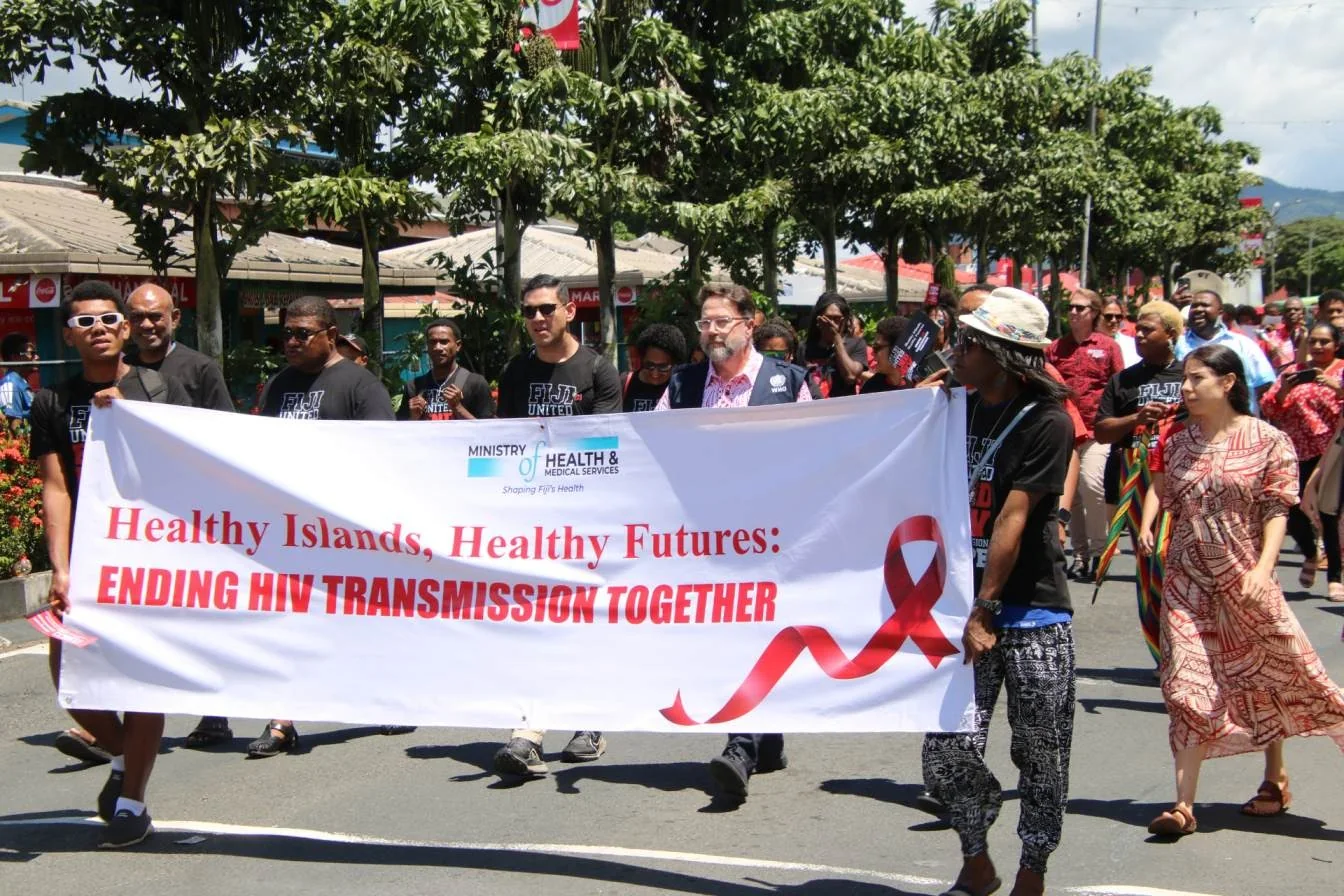
Fiji, which has a population of less than one million people, is also facing a rise in the number of babies dying from complications linked to HIV, adding to concerns over the impact of the epidemic on families and health services.
About 1.35 million Kenyans living with HIV are currently on treatment, with 87% of those receiving treatment achieving viral suppression, according to the NSDCC.
The opposition politician has remained behind bars since November 2024 after he and his aide, Obeid Lutale, were arrested in neighbouring Kenya before being taken back to Uganda, where both were later charged with treason.
Figures from the National Syndemic Diseases Control Council (NSDCC) show that Kenya had about 70,000 new HIV infections in 2010. By 2025, the number had dropped sharply to 13,936, representing an 80 per cent reduction.
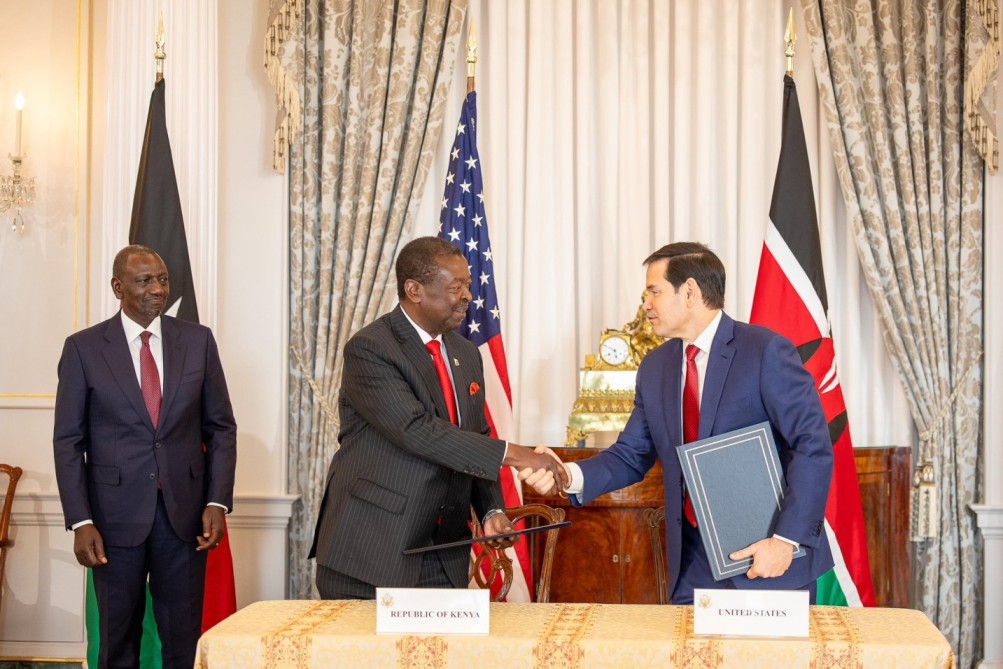
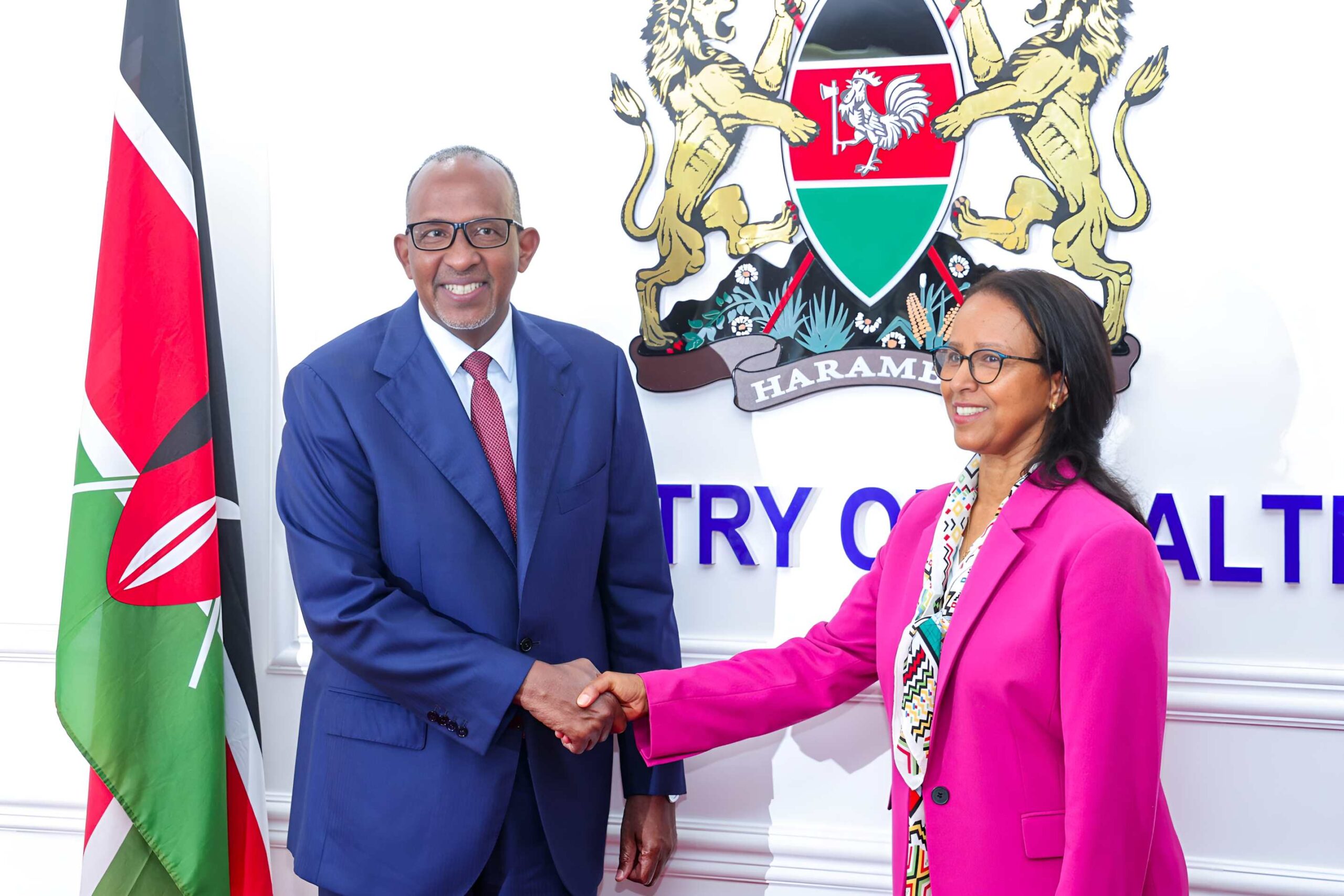
US Secretary of State Marco Rubio noted that Kenya is the first of 50 countries expected to sign similar bilateral agreements, highlighting Washington’s renewed focus on global health cooperation.
The data shows that by 2024, 16% of reported syphilis cases were among women, most of whom were diagnosed during antenatal care visits.
The partnership focuses on delivering coordinated technical assistance and enhancing the capacity of health and social systems.