Global Affairs
US rejects Iran proposal to reopen Strait of Hormuz within seven days
"I'm rejecting their deal," the president told reporters at the White House on Saturday.

Hard truths. Bold Insights. Real talk.
"I'm rejecting their deal," the president told reporters at the White House on Saturday.
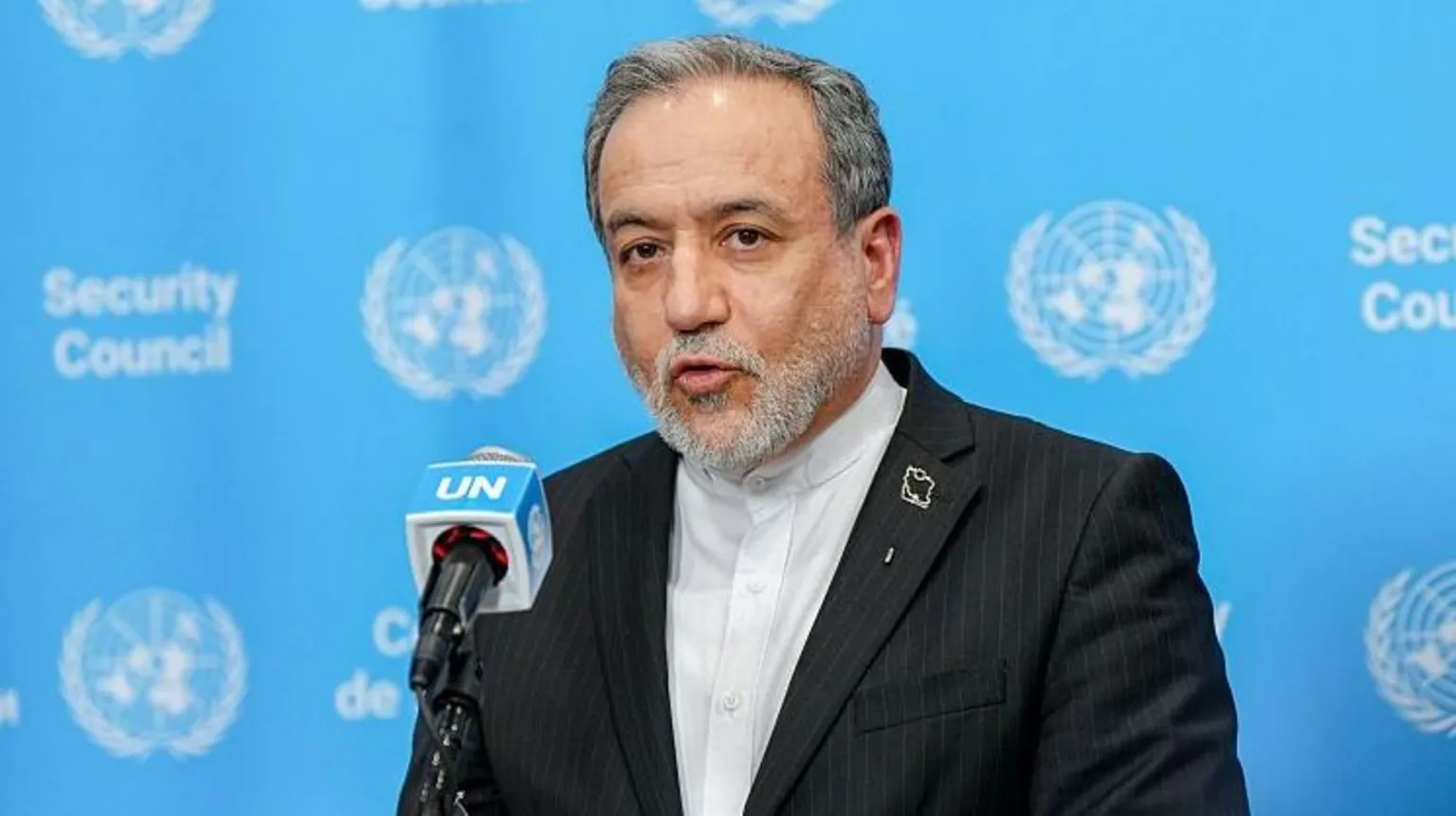
Iranian Foreign Minister Abbas Araghchi made the proposal while speaking to reporters at the United Nations in New York, saying Tehran had sent the plan to the US through Qatar. He said the reopening of the key waterway would depend on the necessary conditions being met.
Data from the US Energy Information Administration (EIA) shows that an average of 20.7 million barrels of crude oil, condensate, and petroleum products passed through the strait each day in 2024. That represented about 20% of global petroleum liquids consumption. In the first half of 2025, flows increased to an average of 20.9 million barrels per day
Iranian Parliament Speaker Mohammad Bagher Ghalibaf said on Sunday that Tehran had communicated its demands to Washington through intermediaries and would not return to the position that existed before the earlier negotiations.
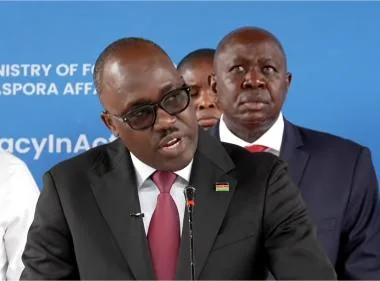
The Government said the attacks violate international humanitarian law and threaten regional stability and security. Kenya also expressed concern over disruptions to maritime trade in the Red Sea and Strait of Hormuz, warning of wider implications for global economic stability and energy security, while calling for respect for international law and relevant United Nations Security Council resolutions
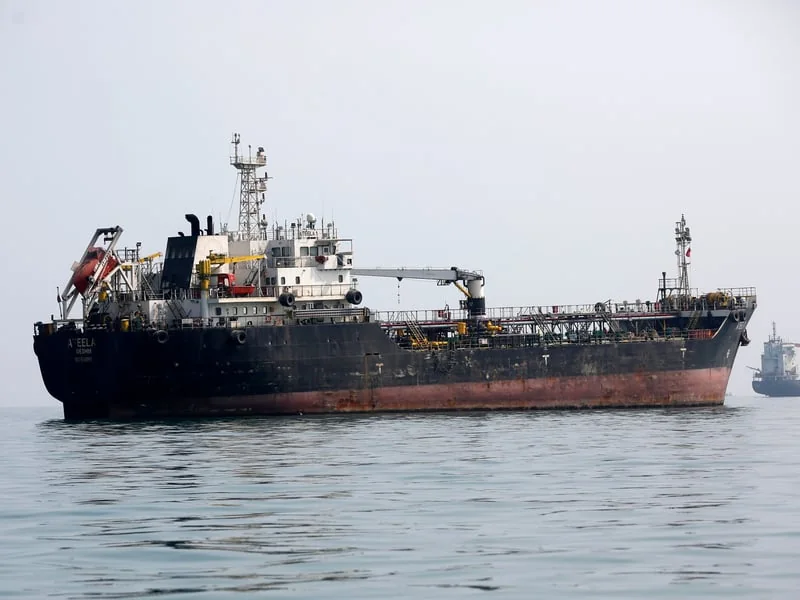
The attack drew attention back to the strait after threats to shipping in the Red Sea intensified last week.

The President made the remarks while travelling to Texas for the Republican Party's first-ever midterm election convention, with control of Congress at stake in the November 3 polls.
The latest threats come as the six-month-old conflict enters another period of heightened tension, with previous pauses repeatedly followed by renewed fighting.
The strike, confirmed by a US official, is the first known American attack on Iran since late July and comes amid renewed tensions over the strategic waterway, through which a significant share of global oil and liquefied natural gas shipments passed before the war.
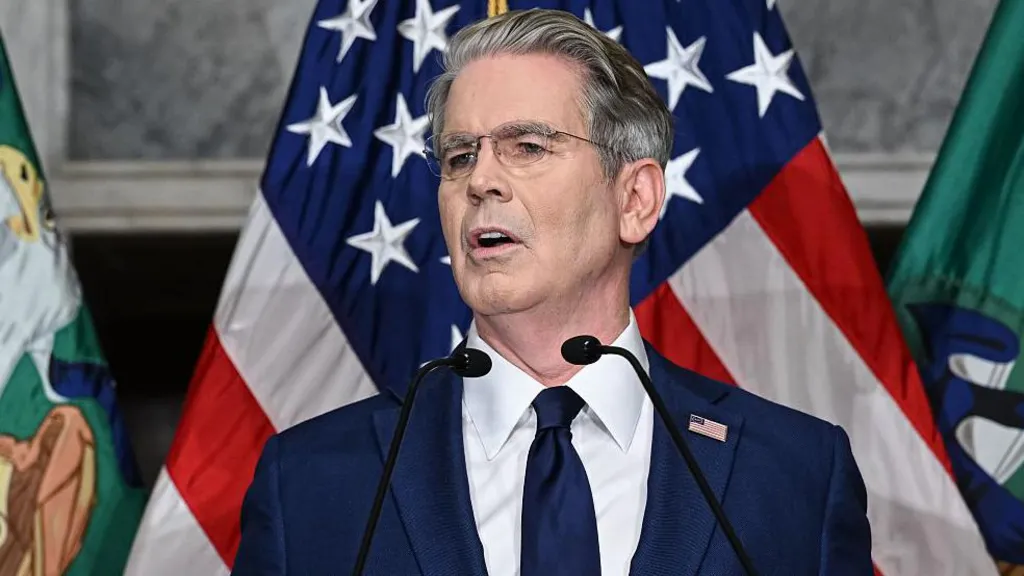
The response came after US Treasury Secretary Scott Bessent announced a sweeping campaign aimed at cutting Iran's financial links with the rest of the world.
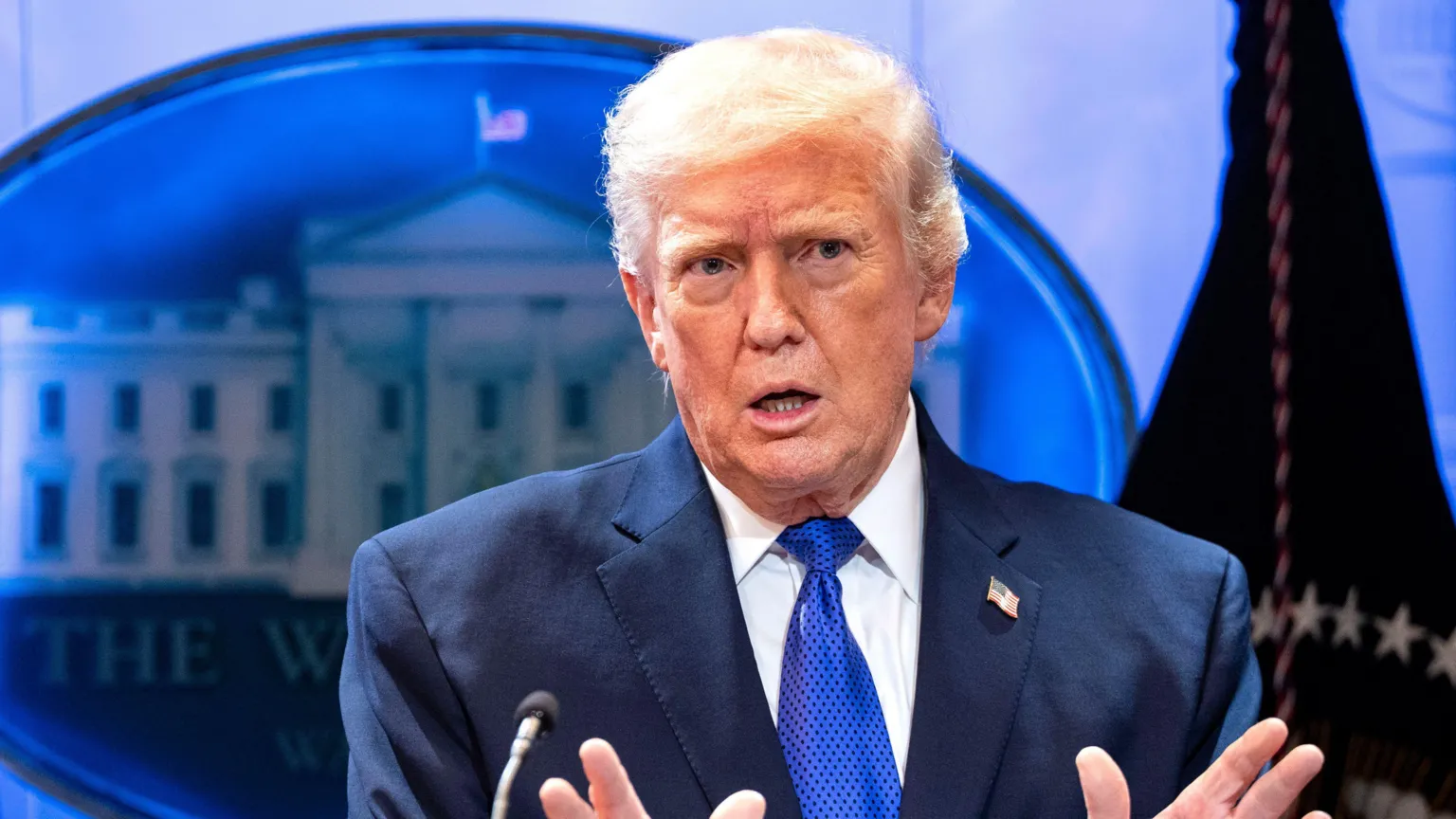
In a statement posted on social media on Wednesday evening, President Trump accused the Islamic Republic of Iran of failing to take advantage of opportunities to reach a deal with his administration.
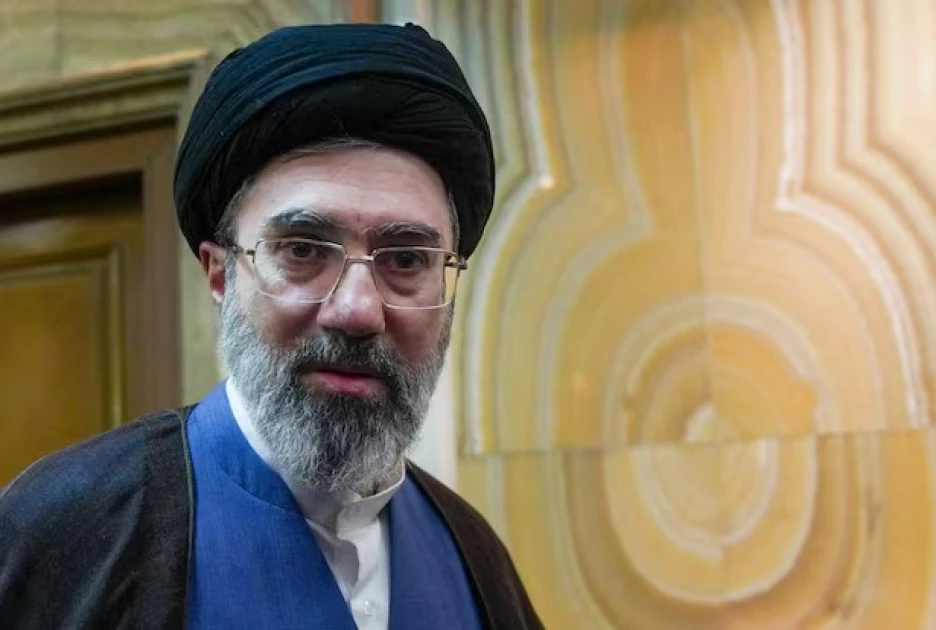
Iranian armed forces chief of staff Ali Abdollahi, according to the Mehr news agency, said countries in the region risked becoming involved in the conflict if they allowed the US military to use their facilities or provided other forms of support.