
Kenya Power puts 6,000 union workers on new performance system
The move follows more than 20 years of talks between Kenya Power management and employees represented by the Kenya Electrical Traders and Allied Workers Union (KETAWU).

Speaking on Monday, Karanja urged the anti-graft agency to pursue senior officials and conduct further investigations "without fear or favour," claiming that corruption, conflict of interest and procurement irregularities have crippled service delivery and denied residents the benefits of county resources.
The survey placed Babu ahead of all elected legislators in the country, reflecting strong public approval of his leadership and performance. His score saw him take the top position in a nationwide assessment that measured how citizens view the work of their elected representatives.
At the centre of the debate is the question of who should qualify for support under the Equalisation Fund, which is provided for under the Constitution and receives 0.5 per cent of all nationally collected revenue.
Speaking on Radio Generation on Monday, Nyamori pointed to Kisumu as an example, claiming that poor maintenance of critical infrastructure, especially public lighting systems, had contributed to a rise in insecurity and disrupted economic activity.
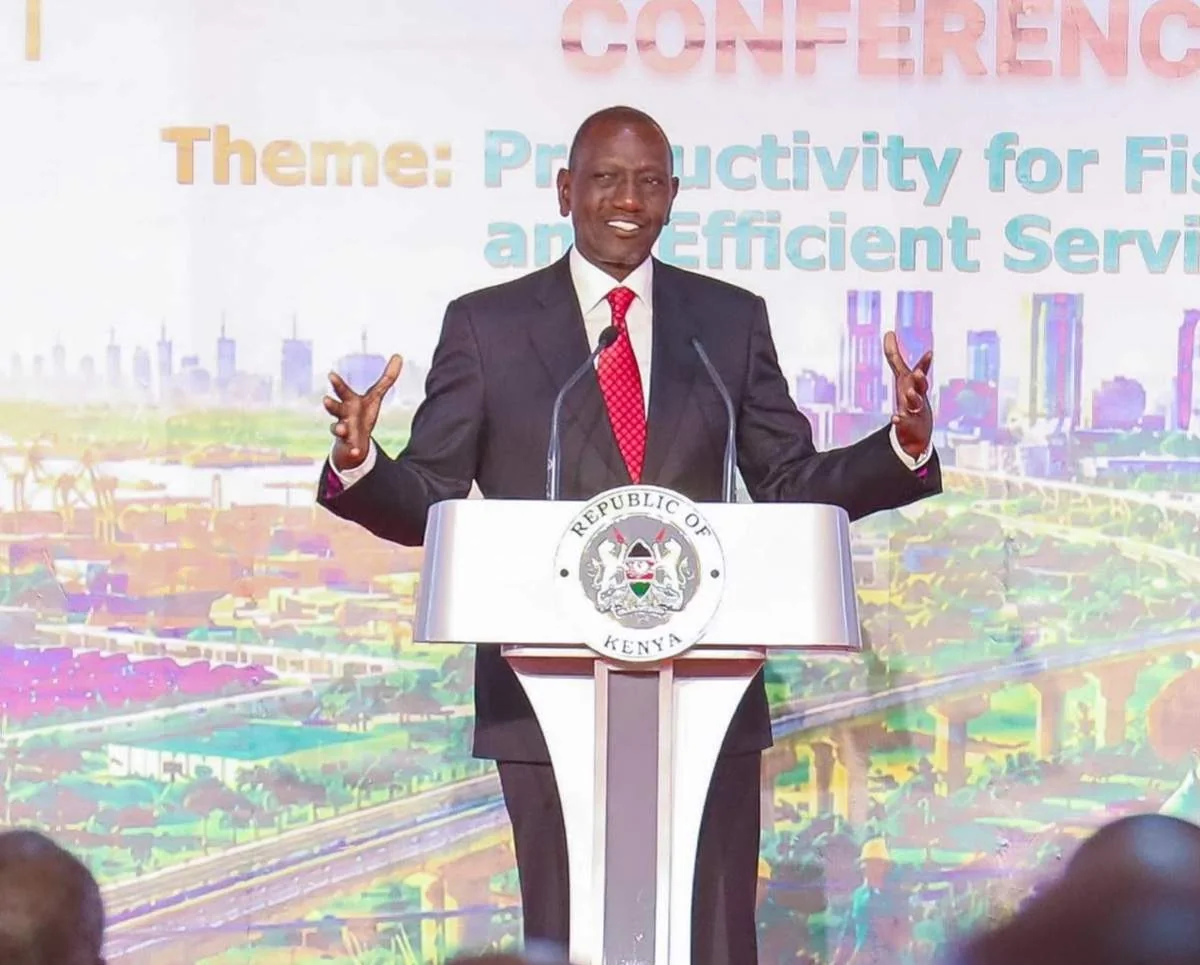
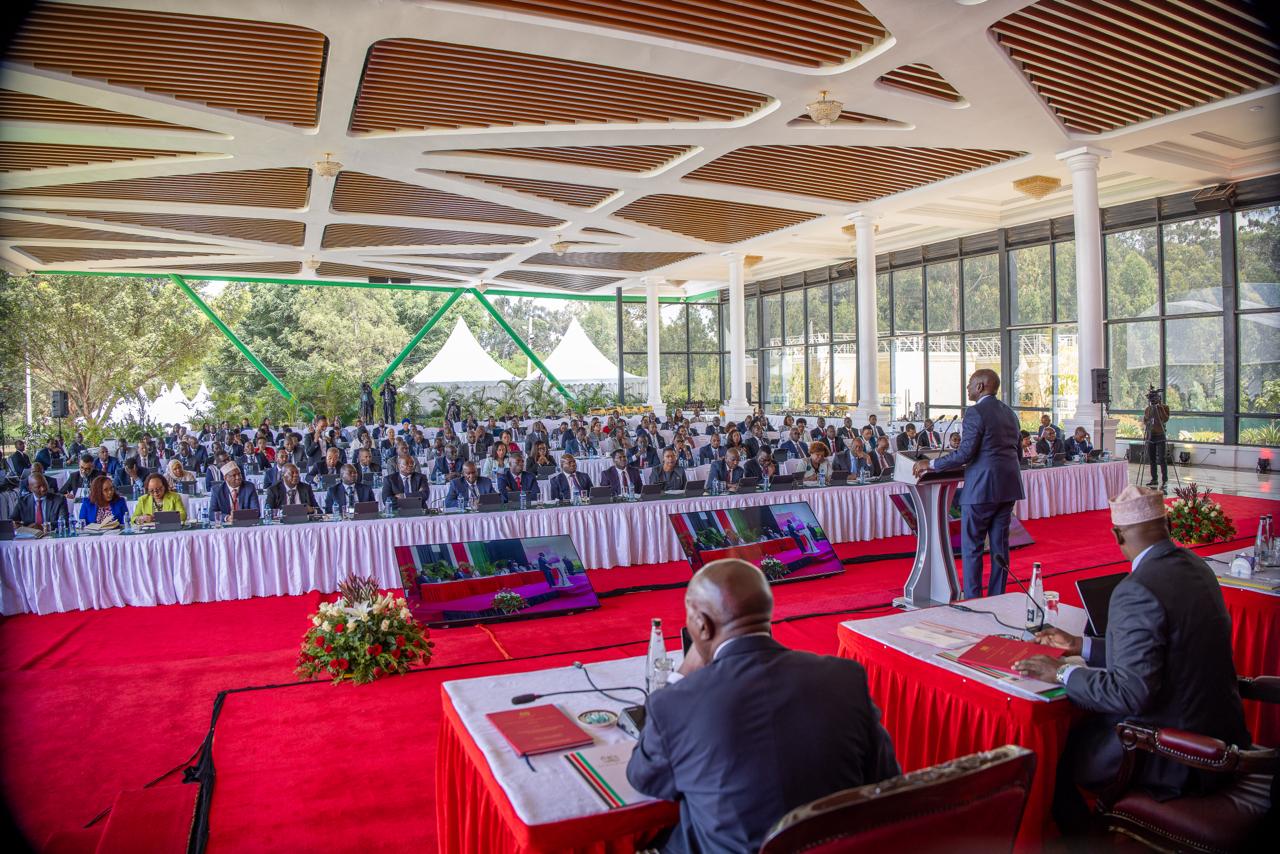
Delegates at Kenya’s First National Productivity and Performance Conference adopted resolutions to mainstream productivity in public sector planning, shift compensation and promotions toward performance-based remuneration, overhaul performance contracting, accelerate digital transformation, and strengthen revenue mobilisation.
Economist Bonnie Mwangi questioned the impact of the estimated Sh3.6 trillion allocated to counties over the past 11 years, arguing that there is little evidence of meaningful improvements in living standards.
Governors have raised alarms, describing the e-GP system as flawed and ineffective. They argue that its hurried rollout, limited testing, and inadequate training for procurement officers have made it difficult to issue contracts or obtain necessary goods and services.
Nairobi emerged as the highest beneficiary with Sh1,713,370,272, reflecting its dense population and economic influence. Nakuru came second with Sh1,156,411,813, showing its growing commercial and agricultural profile.
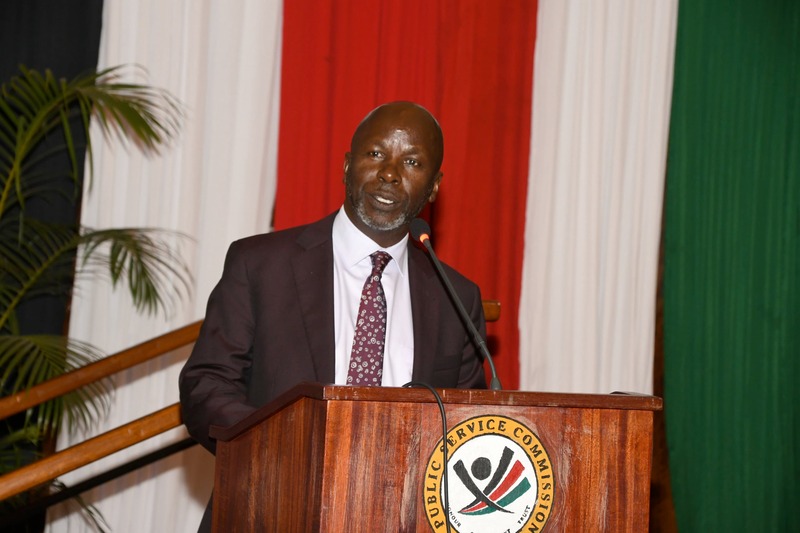
PSC noted that the review is entirely voluntary, signalling a new culture of proactiveness in dealing with institutional weaknesses.