Ruto orders NSSF to pay public workers’ retirement benefits within 10 days
For retirees, the change could significantly shorten the period between leaving employment and receiving the savings and benefits accumulated during their working lives
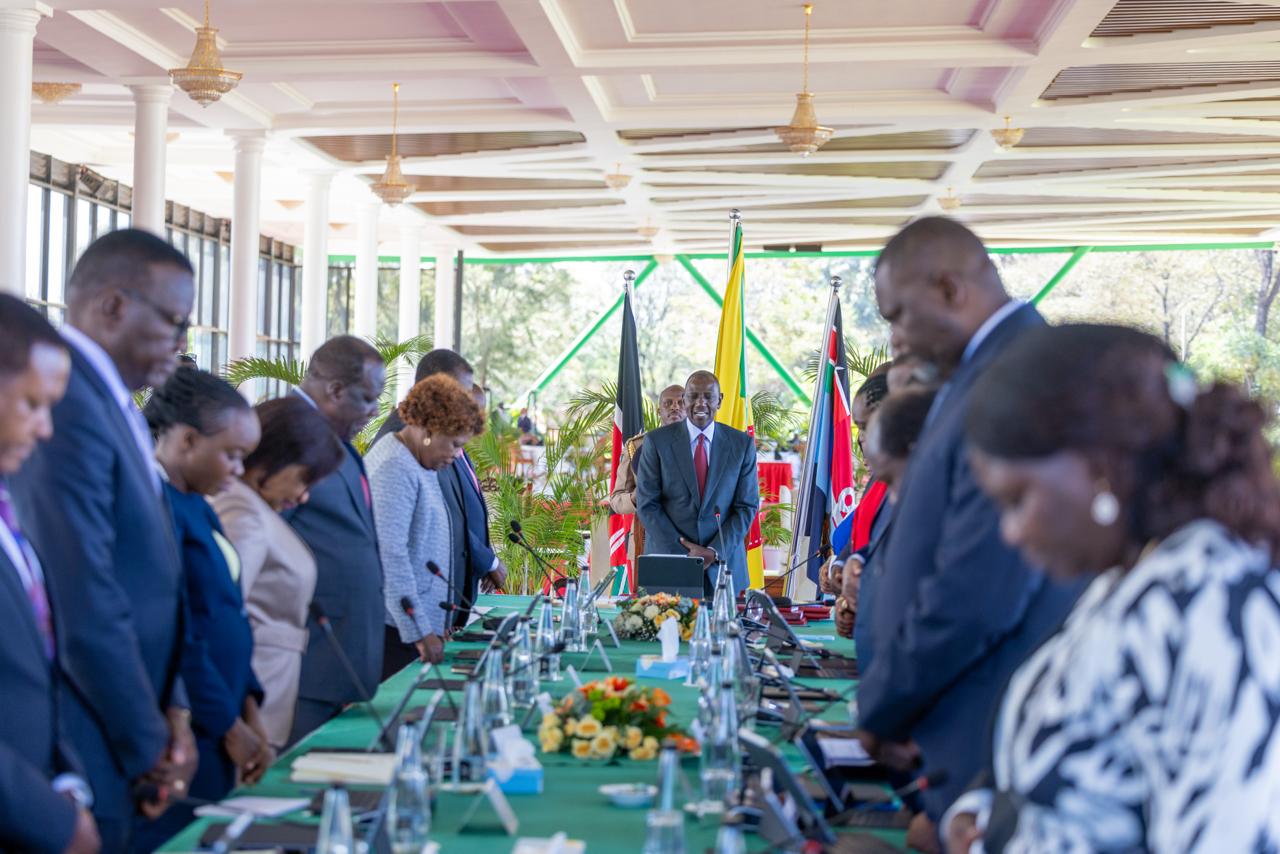

The President also appointed Moses Narok to chair the board of the LAPSSET Corridor Development Authority for one year.
Under the new arrangement, money placed in a post-retirement medical fund will remain available for healthcare-related needs. Members can use it to obtain insurance cover, settle medical bills or recover money already spent on treatment.
Figures released by the Retirement Benefits Authority show that by December 2025, a total of 5,523 employers had received approval to transfer the higher NSSF deductions to their occupational pension schemes.
The unpaid amounts relate to money already deducted from employees’ salaries but not transmitted to their pension schemes. The delay denies schemes the chance to invest the funds promptly and affects workers’ retirement savings by slowing the growth of their benefits.
In the new proposals, RBA seeks to restore a system where public agencies must show proof of full compliance before they can access statutory disbursements.
During the review period, unremitted contributions alone accounted for Sh2.03 billion, split evenly between Sh1.01 billion from employees and Sh1.01 billion from employers.
Experts warn that without savings, low-income earners face financial difficulties as they age, especially in a society where younger family members are no longer the main source of support. Many retirees or those nearing the official retirement age of 60 have no choice but to continue working.
Currently, employees earning Sh30,000 contribute Sh1,800 per month, those on Sh50,000 remit Sh3,000, while anyone earning Sh80,000 and above pays the maximum Sh4,320. Employers are required to match the workers’ contributions.
A new nationwide study underscores the deepening impact of youth unemployment and shifting family roles on the country’s aging population.
The amount of unremitted pension contributions in Kenya has surged to Sh57 billion as of December 2024, rising from Sh47.16 billion in June. The growing backlog has left many retirees facing financial insecur