News
Kindiki woos investors with Sh5 trillion Infrastructure Fund pitch
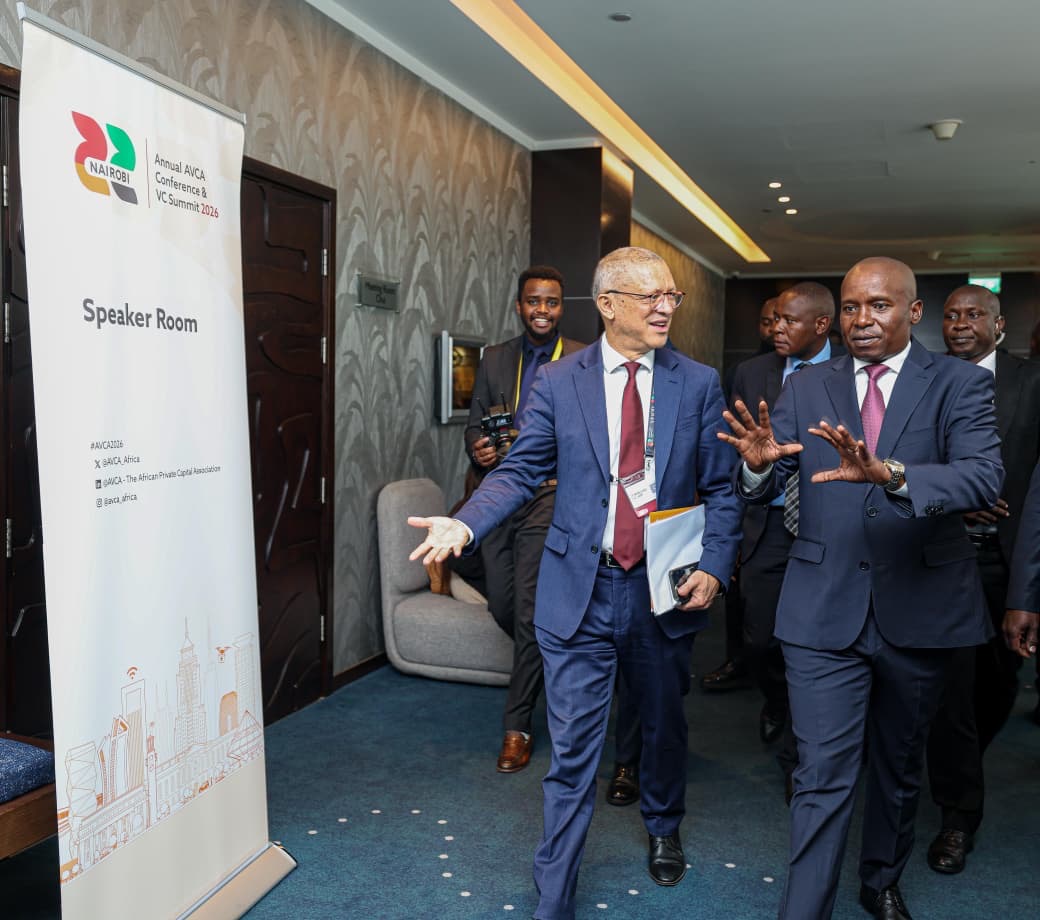
Kindiki said the government is shifting from debt-driven financing to a model that leverages private capital to fund critical infrastructure projects.

Hard truths. Bold Insights. Real talk.
Kindiki said the government is shifting from debt-driven financing to a model that leverages private capital to fund critical infrastructure projects.
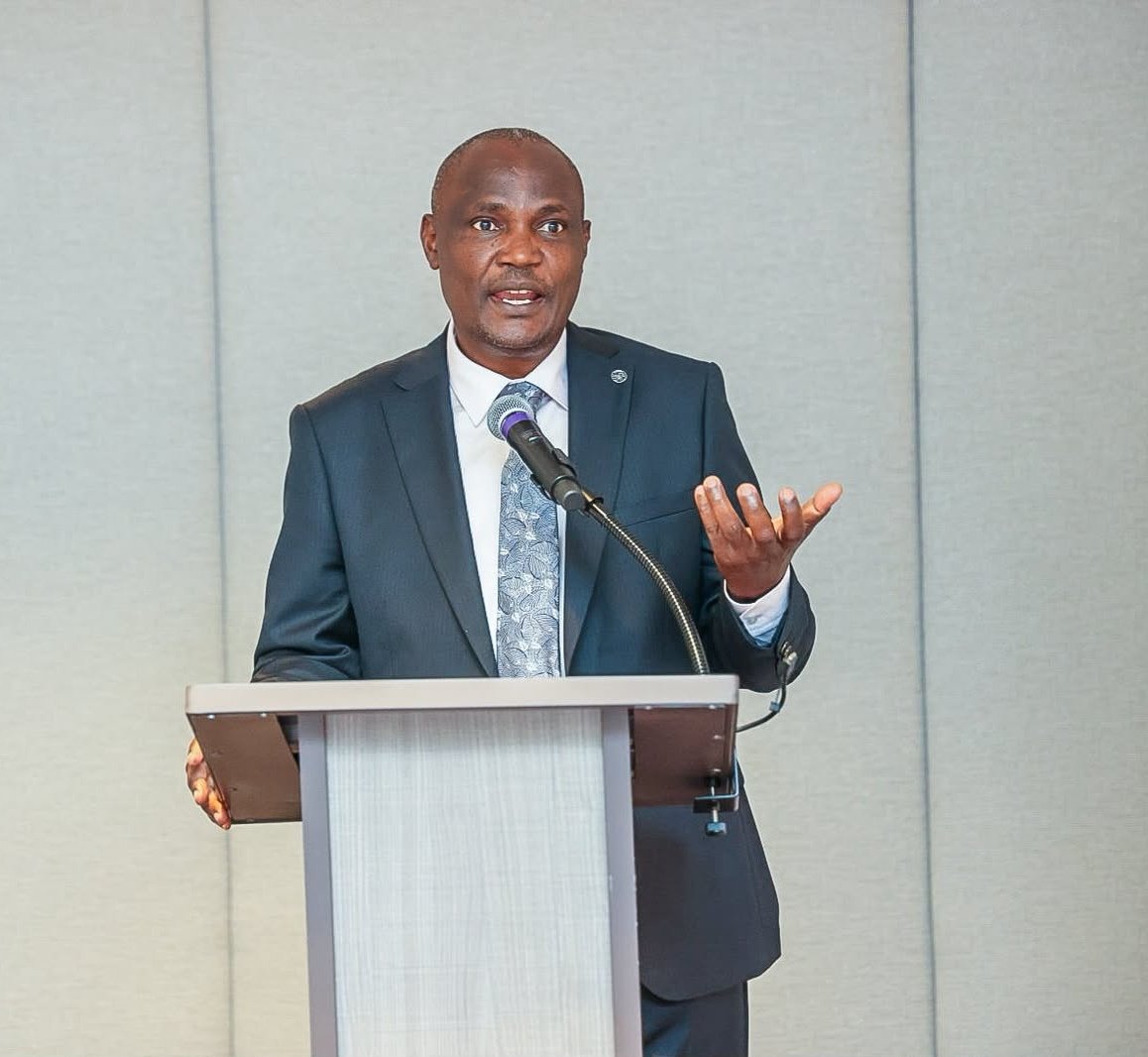
According to Mbadi, governments across the continent are being forced to carefully juggle between funding development projects and managing strained budgets. He pointed to global financial conditions that have made borrowing “more expensive, less predictable and restrictive for developing economies,” adding further pressure on already stretched public finances.
The revocation effectively removes the company from the list of institutions previously under full national government control, clearing the way for its new ownership structure to take full effect.
The strategy is anchored on the National Infrastructure Fund, which is intended to pool public and private capital for long-term projects. The Treasury noted that Kenya has sufficient financial resources locally but lacks structured coordination to fully channel them into PPP investments.
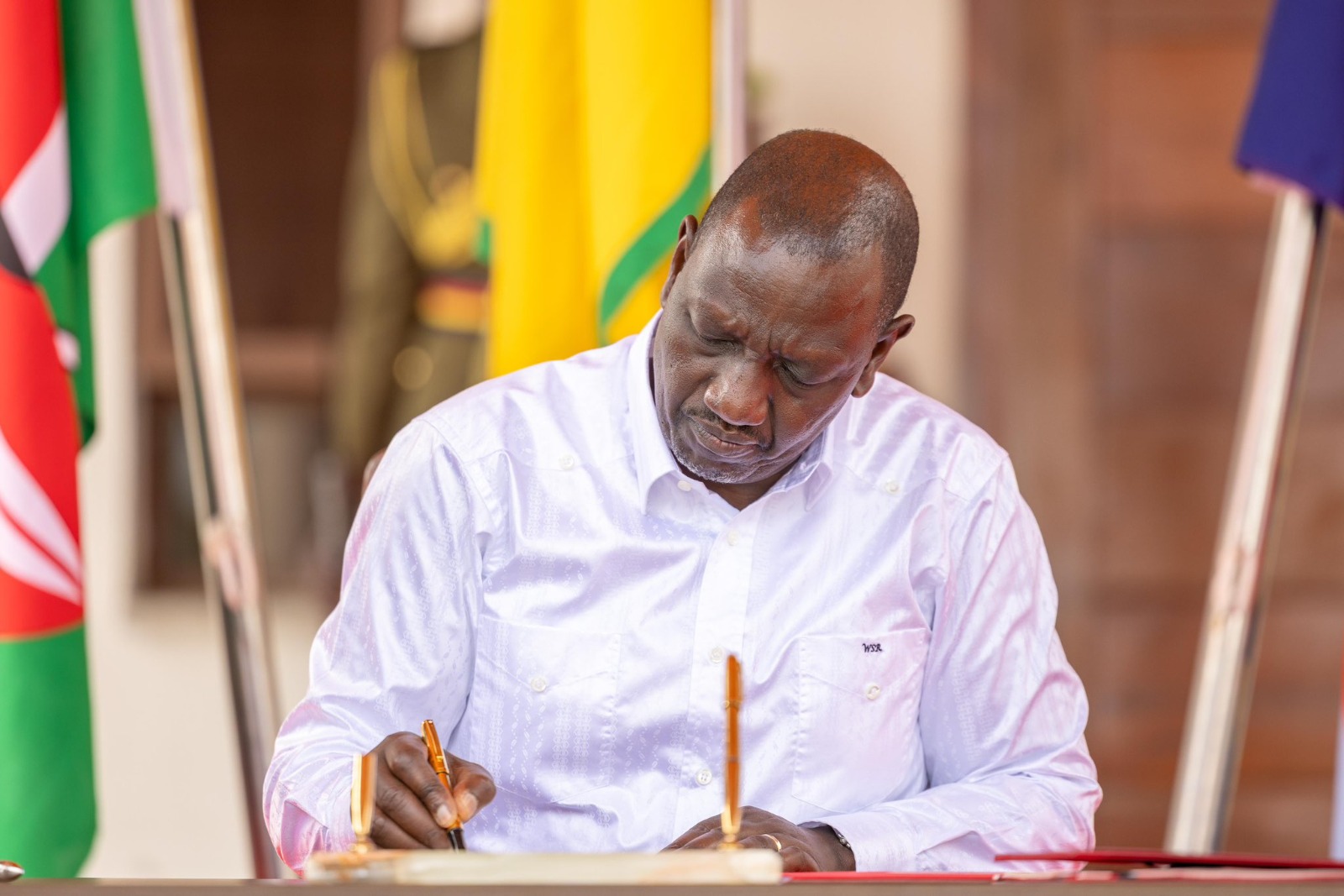
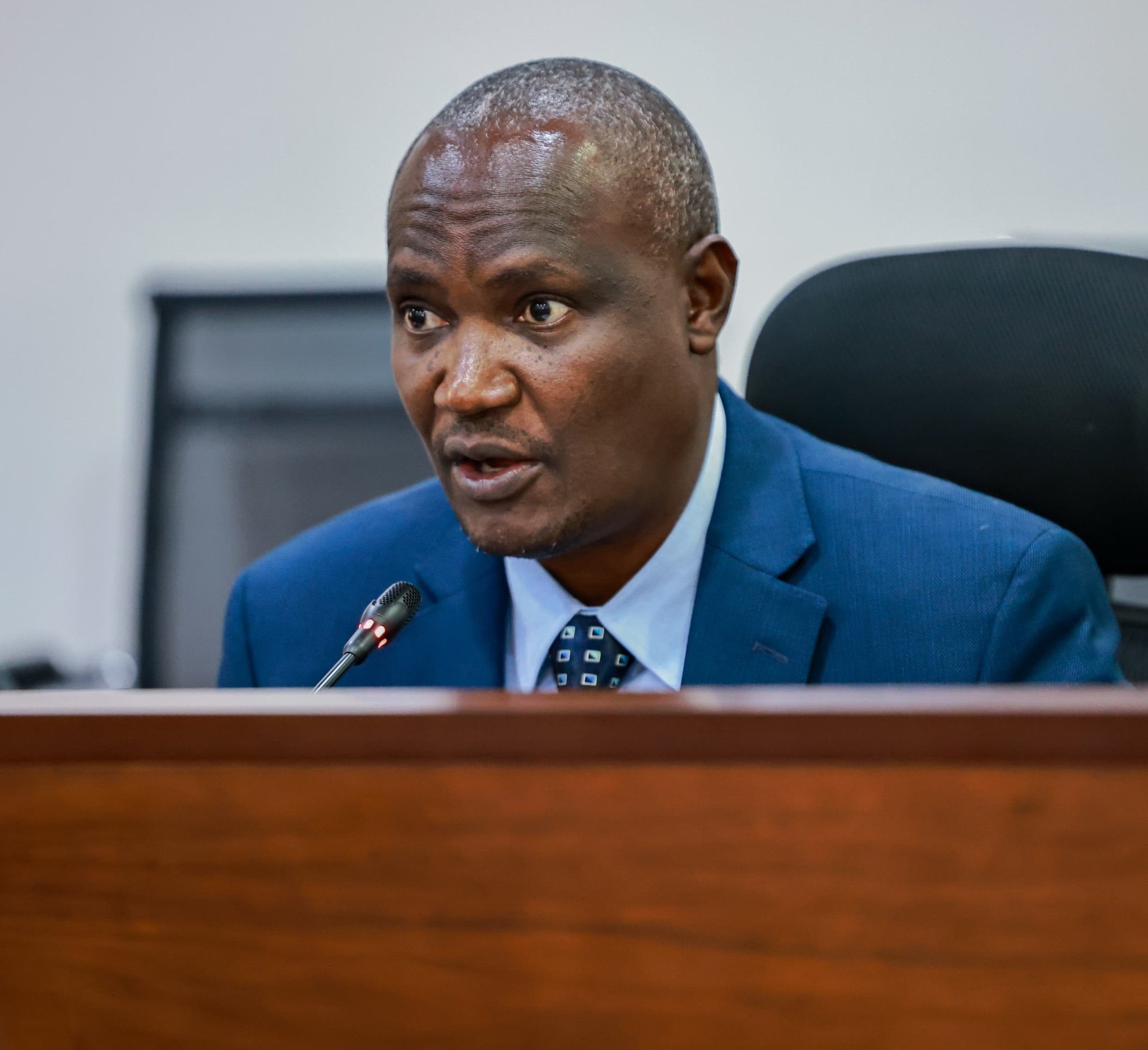
The council, chaired by Treasury Cabinet Secretary John Mbadi, includes top state officials and private sector leaders tasked with mobilising private capital and overseeing commercially viable infrastructure projects under the new law.
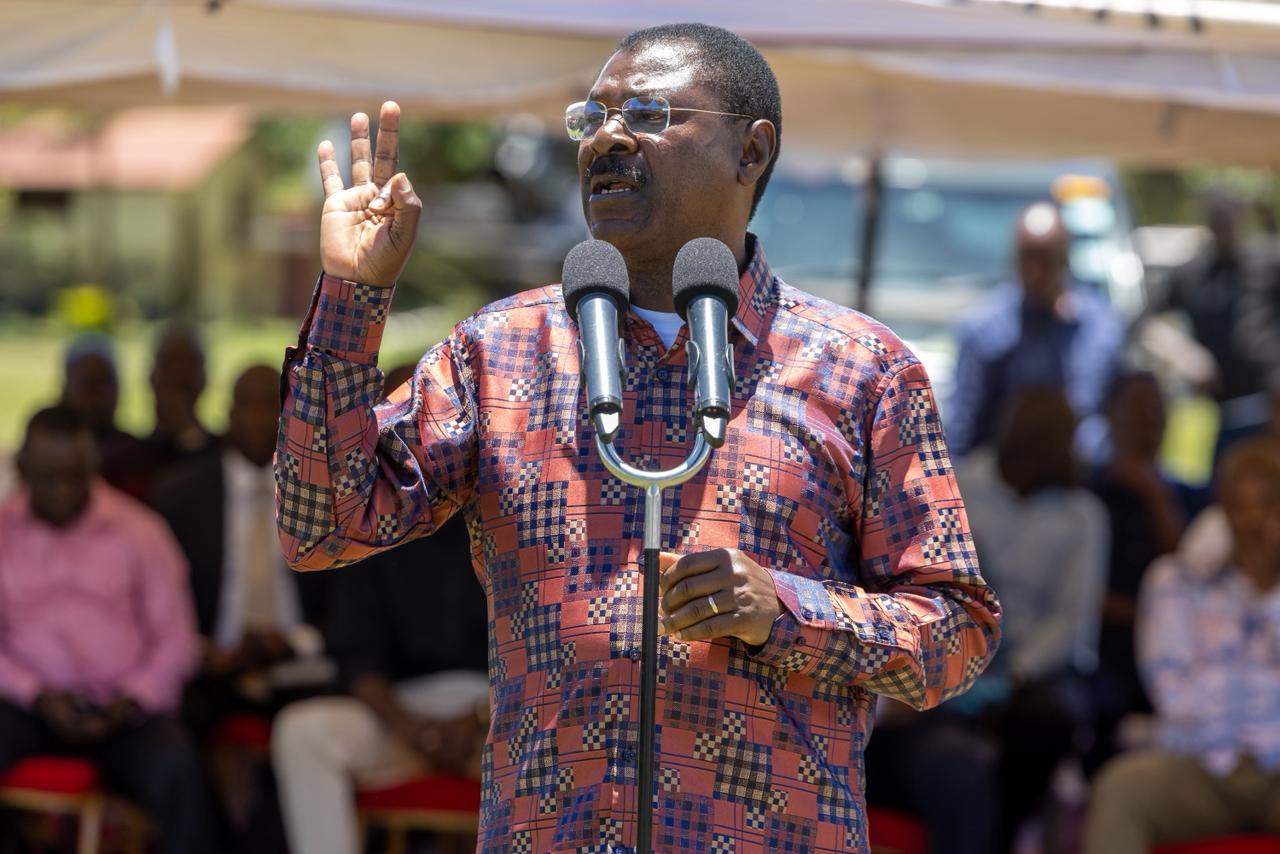
Wetang’ula underscored the transformative potential of the proposed Ksh 5 trillion fund, noting that it will unlock the country’s capacity to undertake large-scale infrastructure development.

Diaspora affairs expert Danson Mukile backs Kenya’s new National Infrastructure Fund, saying it could mobilise Sh5 trillion for major projects if run independently and shielded from political interference.
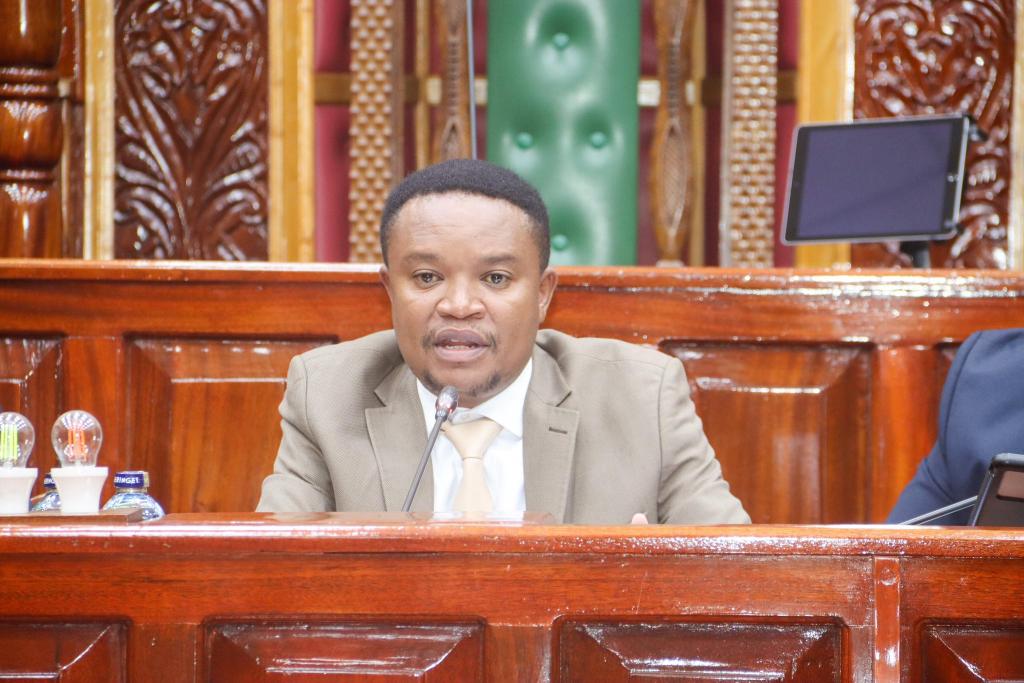
MP Kuria explained that the Controller of Budget’s approval is not required for spending from the Fund because it is not part of the Consolidated Fund. Funds created through Acts of Parliament operate differently from regular government accounts, he said.
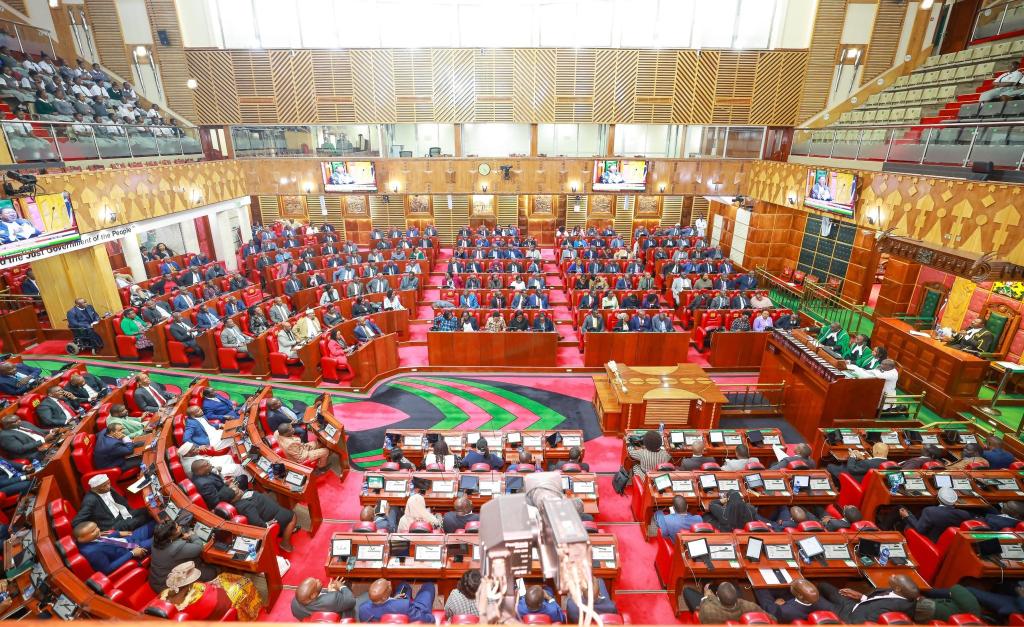
Under the approved plan, the government will sell about six billion shares, equivalent to 15 per cent of Safaricom, at Sh34 per share. The sale is projected to raise roughly Sh204.3 billion.
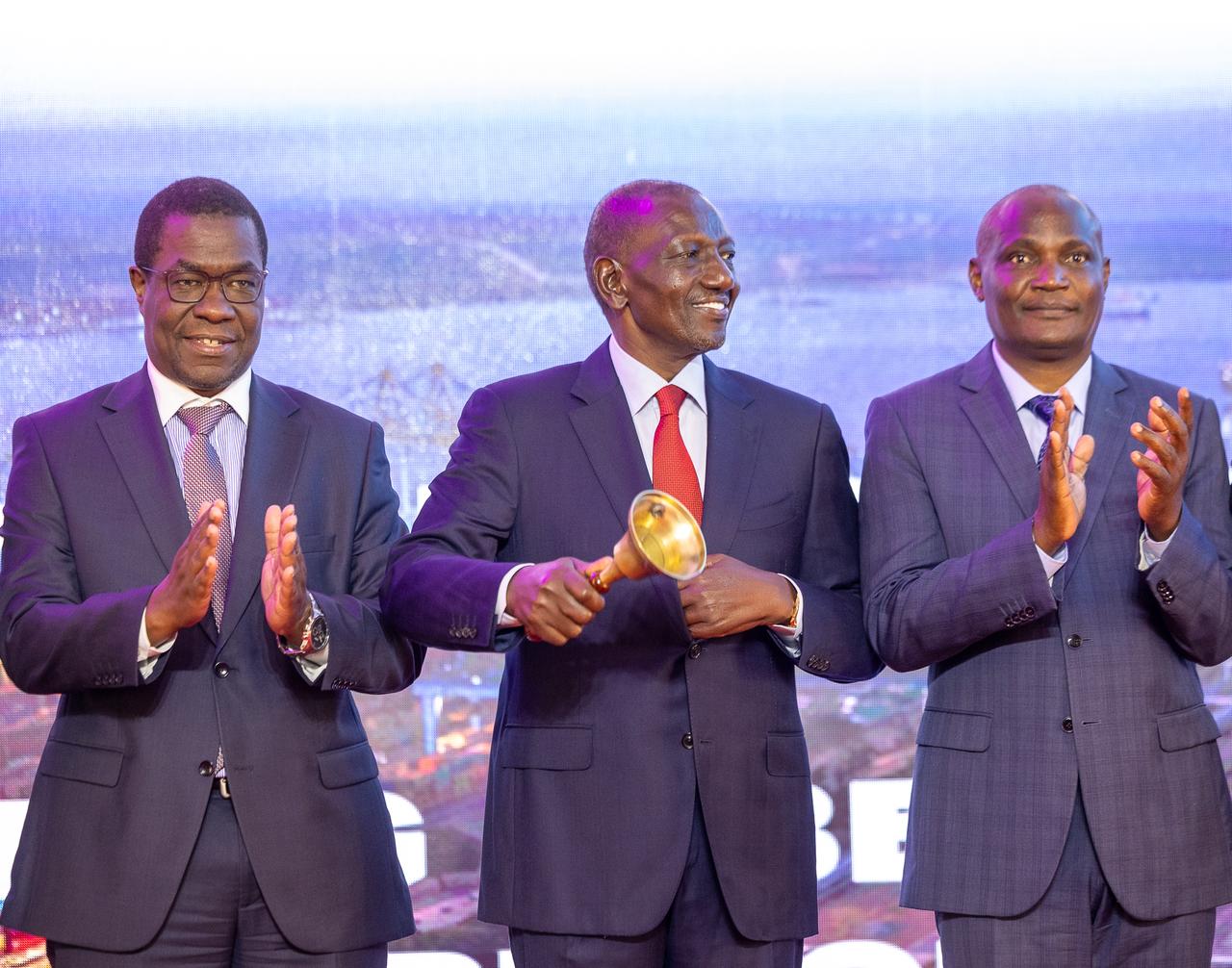
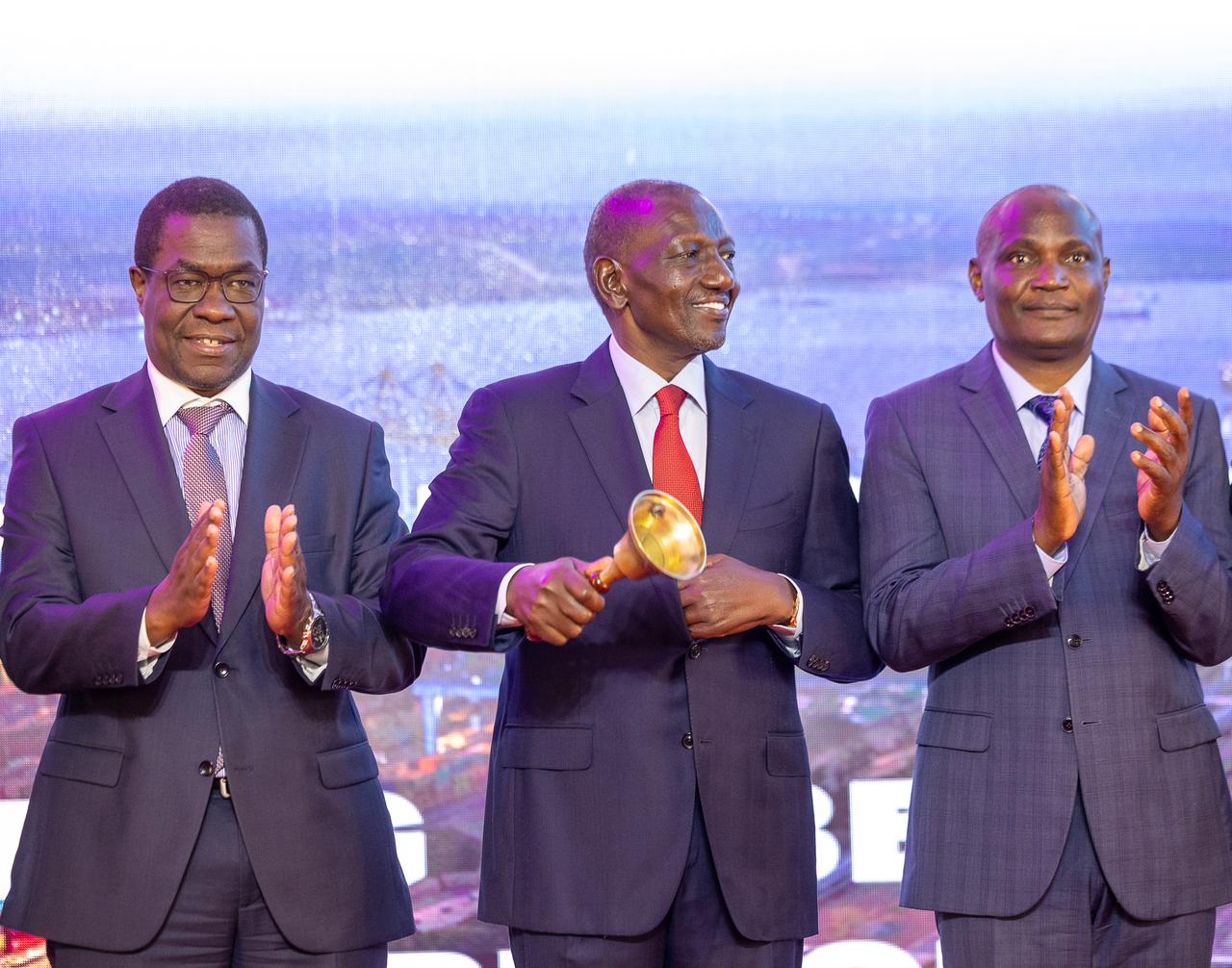
The Initial Public Offering raised Sh106 billion, funds that the government says will be directed to the newly established National Infrastructure Fund. The administration believes the move will help finance major projects without relying heavily on loans or additional taxes.
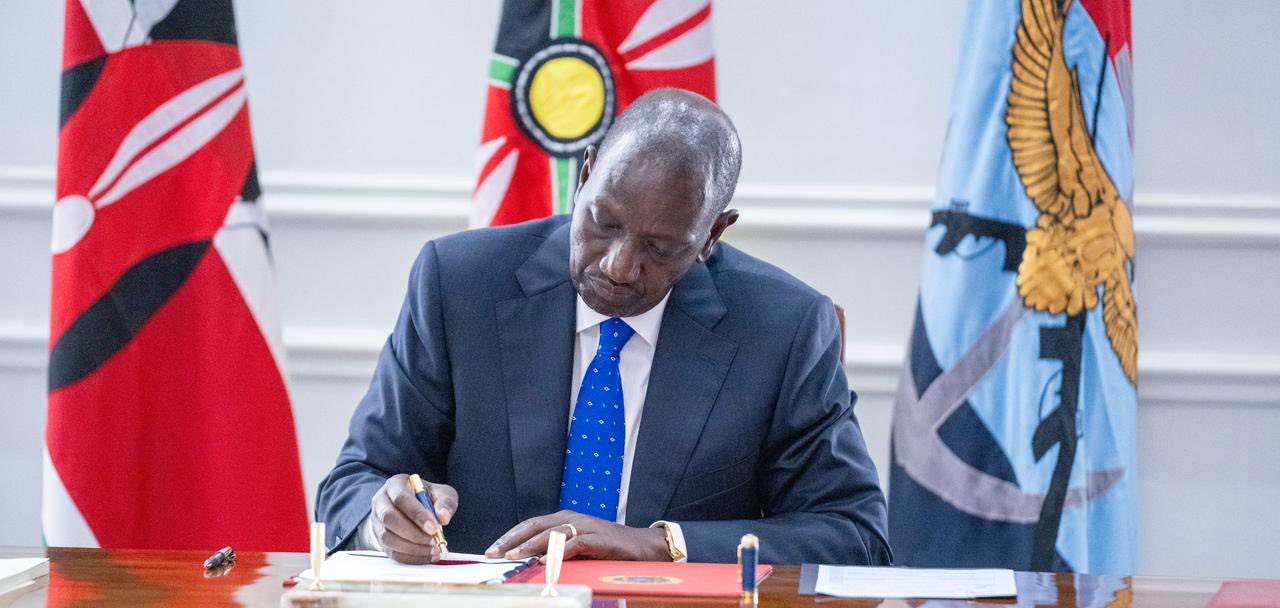
The fund aims to mobilize Sh5 trillion to shift Kenya’s infrastructure financing from a debt-driven model to a sustainable, investment-led approach.

If signed into law, the Bill will create the National Infrastructure Fund, which the government intends to use as a new way of financing development projects without relying heavily on borrowing.