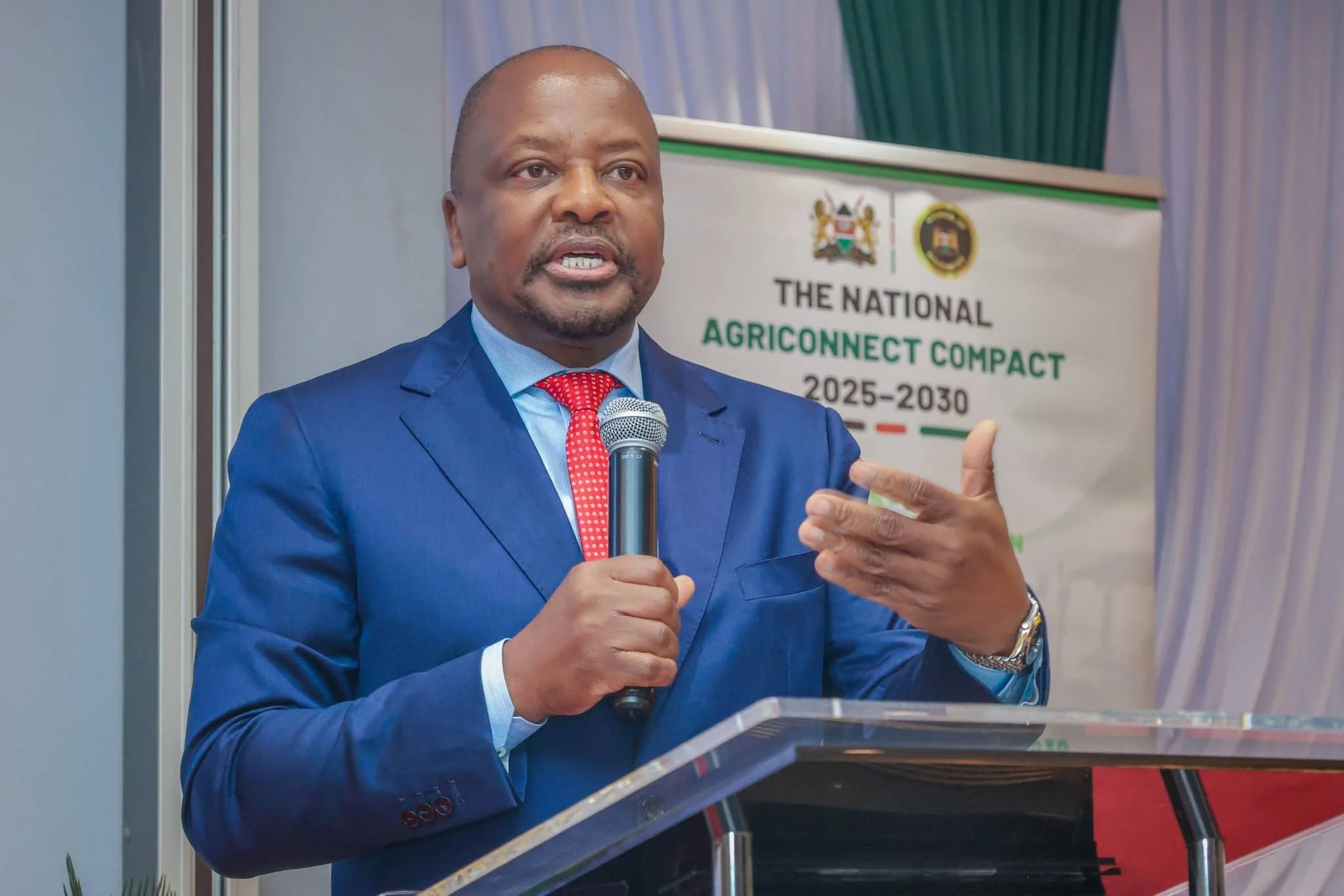
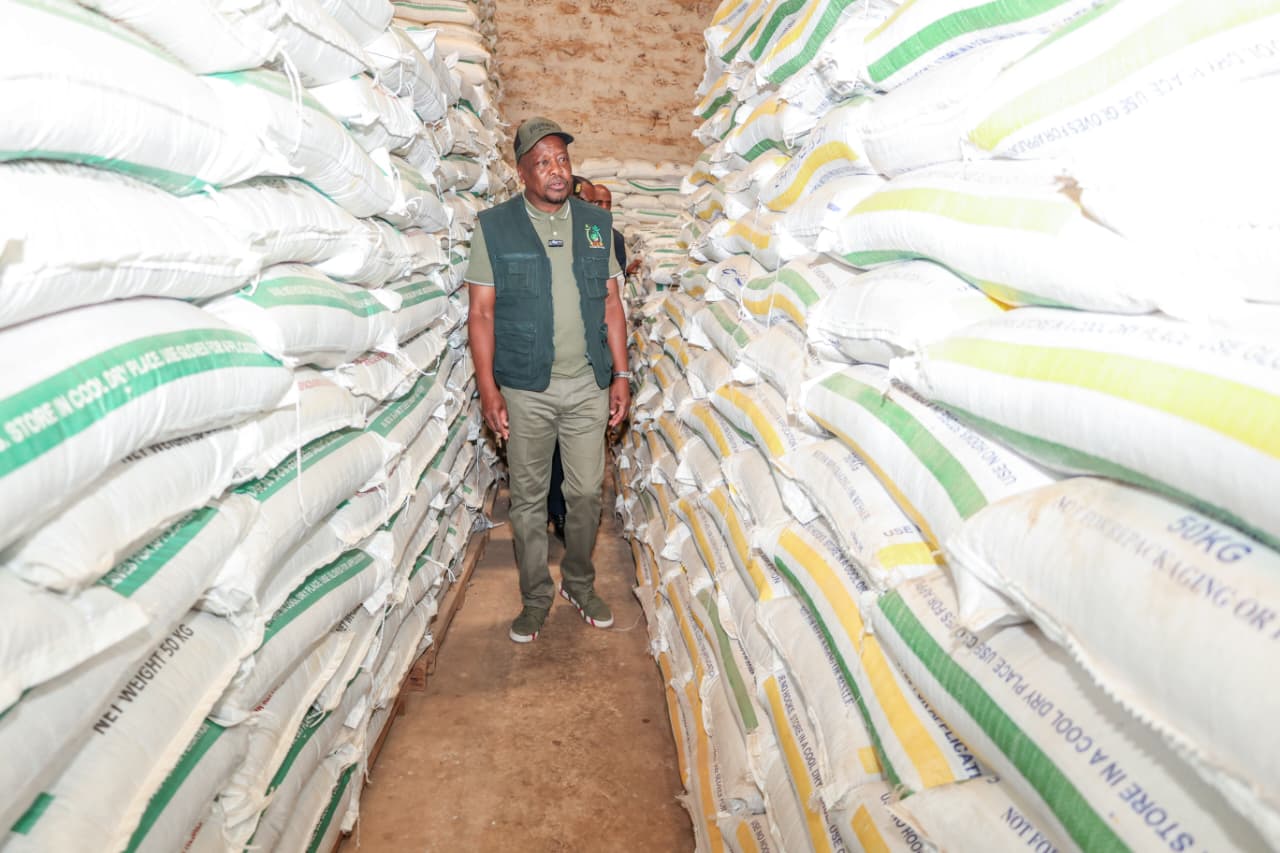
Kagwe said about 63 per cent of Kenya’s arable land is acidic, with nearly seven million acres classified as strongly acidic, making soil testing critical to improving agricultural productivity.
Kagwe said Lamu, Tana River, Kwale, Kilifi and Taita Taveta could raise output of cassava, cotton, milk, meat, cashew nuts and other agricultural products by three or four times.
Presentations at the conference showed that Brazil has replaced more than four billion barrels of gasoline with ethanol, with ethanol-based fuel remaining cheaper than conventional petrol. Deputy President Kithure Kindiki, who also attended the seminar, said the government will review the Sugar Act and related regulations to formally support ethanol production within Kenya’s legal and economic framework. He added that the government will work with the Energy and Petroleum Regulatory Authority to develop fuel blending regulations. Kagwe defended ongoing reforms under the Sugar Act 2024, saying leasing state-owned sugar factories to private investors has already improved efficiency and increased farmer earnings. “We have discovered that the private sector is a much stronger player, a much more efficient player in the sugar sector than the government sector,” he said. He added that the government has already seen “immediate benefits” within the last year after some public mills were leased to private operators. At the same time, Kagwe stressed that farmers remain central to the reforms, noting that more than six million Kenyans directly or indirectly depend on the sugar industry for their livelihoods. “The farmer is the most important person in the sugar sector, and I say this without any fear of contradiction,” Kagwe said. The government says expanding ethanol production will help reduce Kenya’s dependence on imported fuel, strengthen energy security and create more stable income opportunities for farmers amid volatile global oil prices.
Speaking during International Tea Day celebrations in Kericho County, Kagwe urged tea stakeholders to stop “wasting millions in unnecessary litigation” and instead engage the government through dialogue over the reforms.
Under the new framework, dairy cooperatives and processors will be required to keep detailed records showing milk origin, volumes supplied by farmers, and movement through collection and processing stages. The aim is to build a more controlled and transparent system.
Appearing before the Parliament of Kenya Departmental Committee on Agriculture and Livestock during discussions on the ministry’s Sh79.06 billion 2026/27 budget estimates on Tuesday, Kagwe said the levy would fund modernization and position Kenyan tea as a premium global product.
New figures contained in the 2026 Economic Survey show maize imports increased by 51.4 percent to 468,109 metric tonnes in 2025, reversing two consecutive years of decline.
Kagwe placed macadamia processors on notice, directing them to purchase all locally produced nuts at the government-set minimum price of Sh100 per kilogram, while warning that failure to comply could prompt a policy reversal allowing raw in-shell exports.
Speaking during the official release of the 2025 Kenya Tea Industry Performance Report at Rukuriri Tea Factory in Embu County, Agriculture and Livestock Development Cabinet Secretary Mutahi Kagwe said the sector had firmly returned to a growth path despite global economic pressures.
Kenya currently consumes approximately 600,000 metric tonnes of edible oils annually, but more than 90 to 95 percent of that demand is met through imports. Government figures show the country spent more than Sh145 billion on imported edible oils in 2022 alone, a cost officials say can be significantly reduced through local production.