
Business
Kagwe: Sh79m Ndigiria rehabilitation set to open new farming opportunities
Kagwe said the country must find ways of producing more food from the land available by ensuring farmers have reliable water throughout the year.

Hard truths. Bold Insights. Real talk.
Kagwe said the country must find ways of producing more food from the land available by ensuring farmers have reliable water throughout the year.
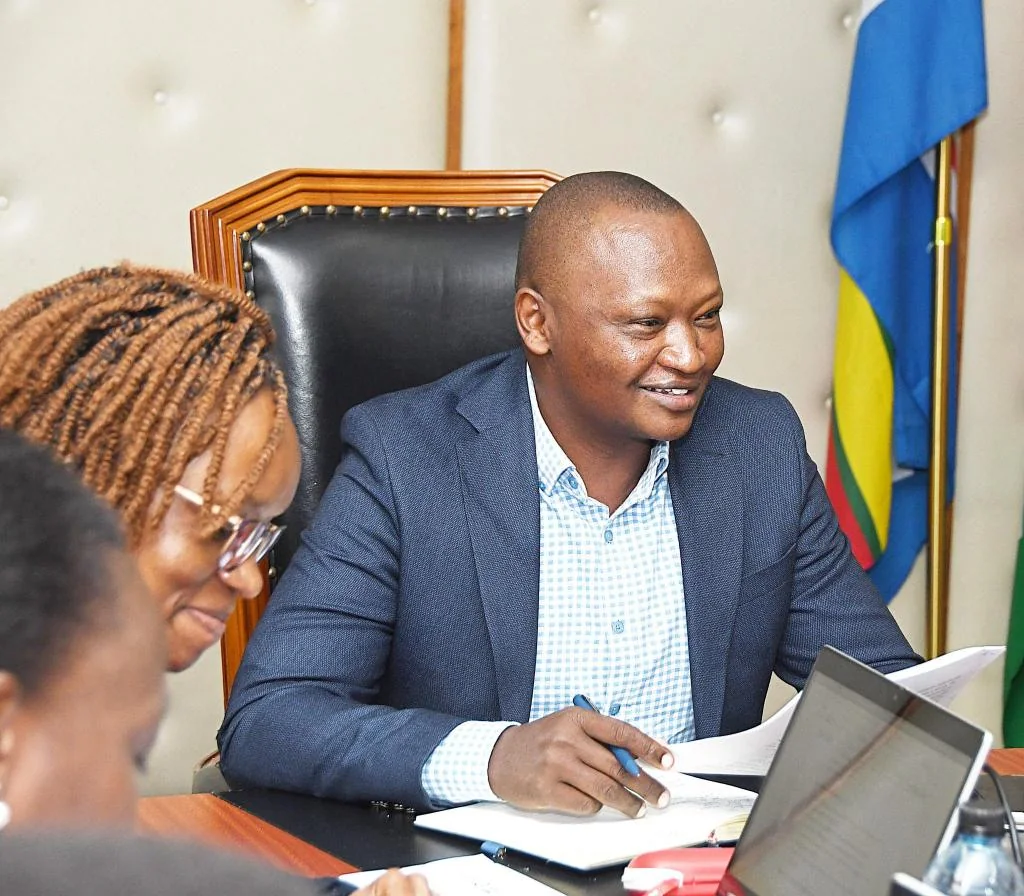
The review will assess how the department's programmes and investments are contributing to food security, agricultural productivity and the development of sustainable and climate-resilient farming systems
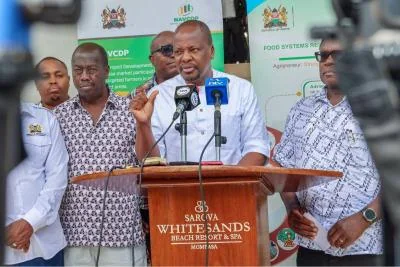
Kenya consumes about 75 million bags of maize every year, but lower production in several food-producing areas is expected to leave the country with a deficit of nearly 25 million bags.
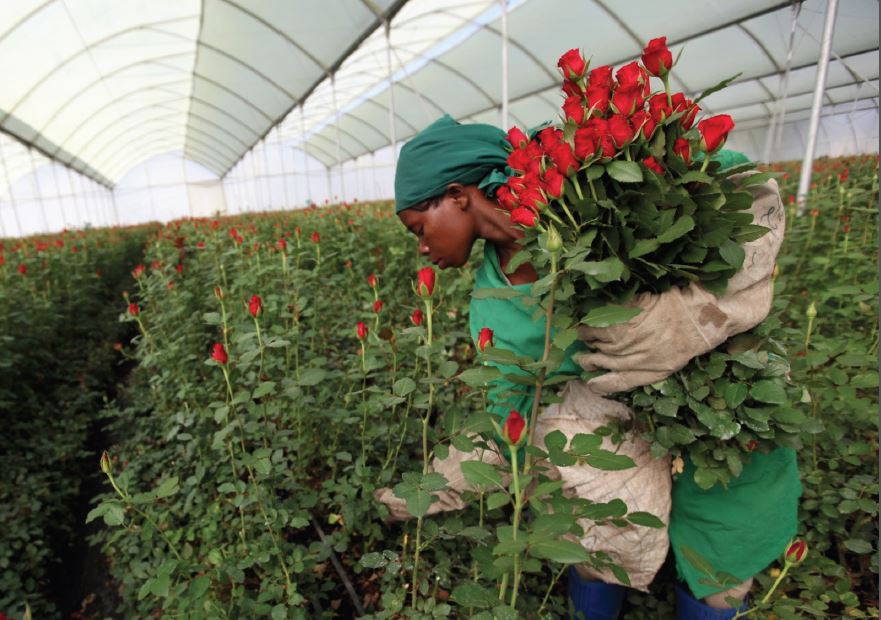
The report, released on August 6, 2026, shows that the agriculture sector had reinforced its position as the backbone of Kenya's economy, with the value of agricultural output rising from Sh3.64 trillion in 2024 to Sh4.07 trillion in 2025. It attributed the growth to consistent investments by county governments across key agricultural value chains, despite persistent challenges in some subsectors.
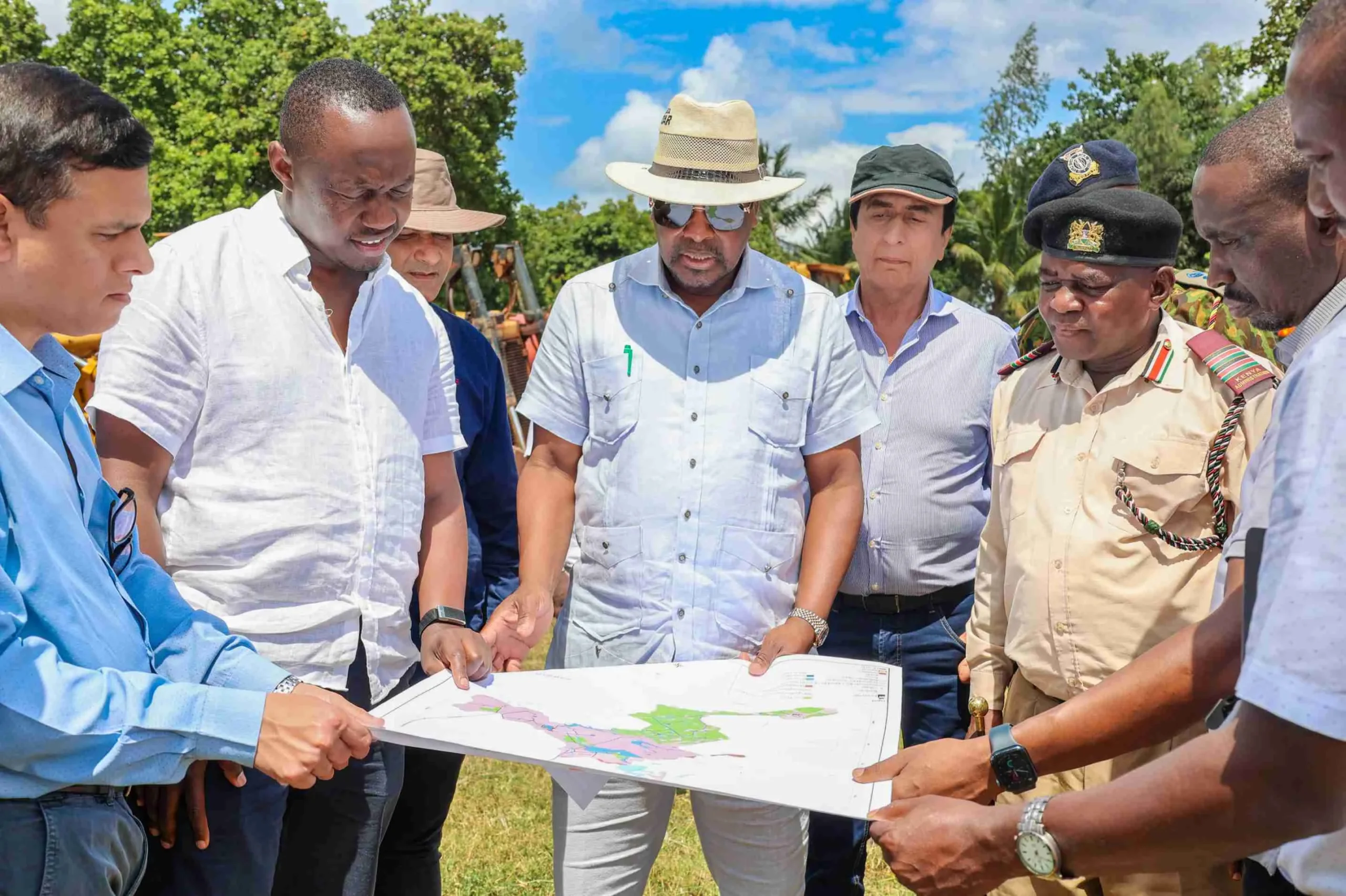
The initiative is expected to revive sugarcane farming along the Coast, create thousands of jobs, reduce the country's reliance on imported sugar and stimulate economic activity across Kwale and neighbouring counties.
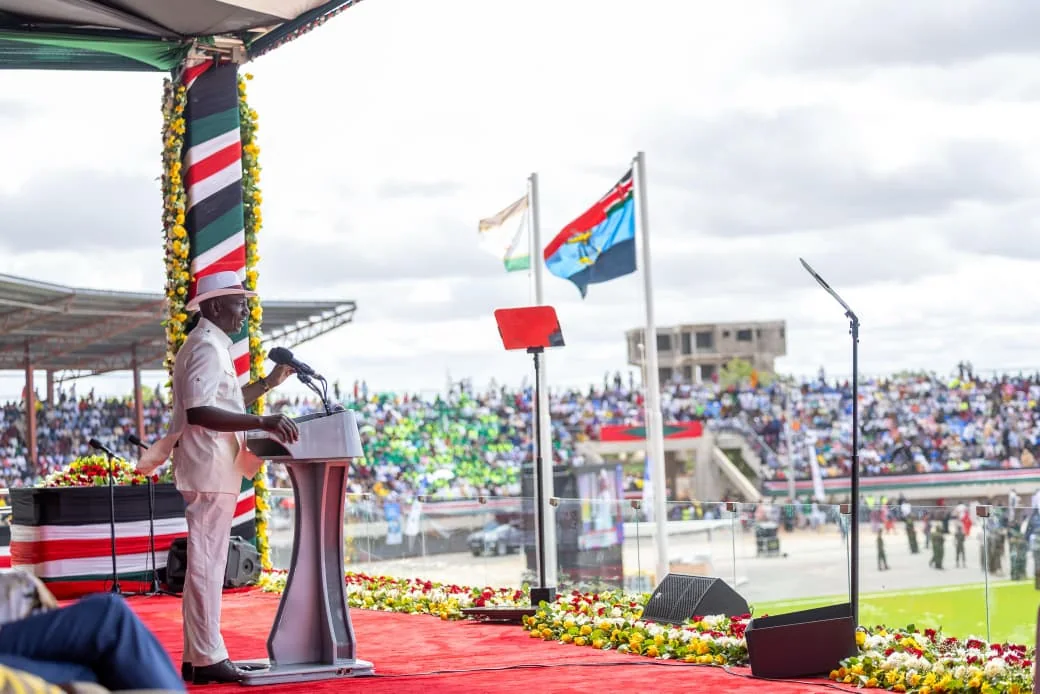
The President announced expanded government programmes targeting livestock recovery and productivity, including restocking efforts, mass vaccination drives, and breeding support meant to rebuild herds affected by drought and other shocks.
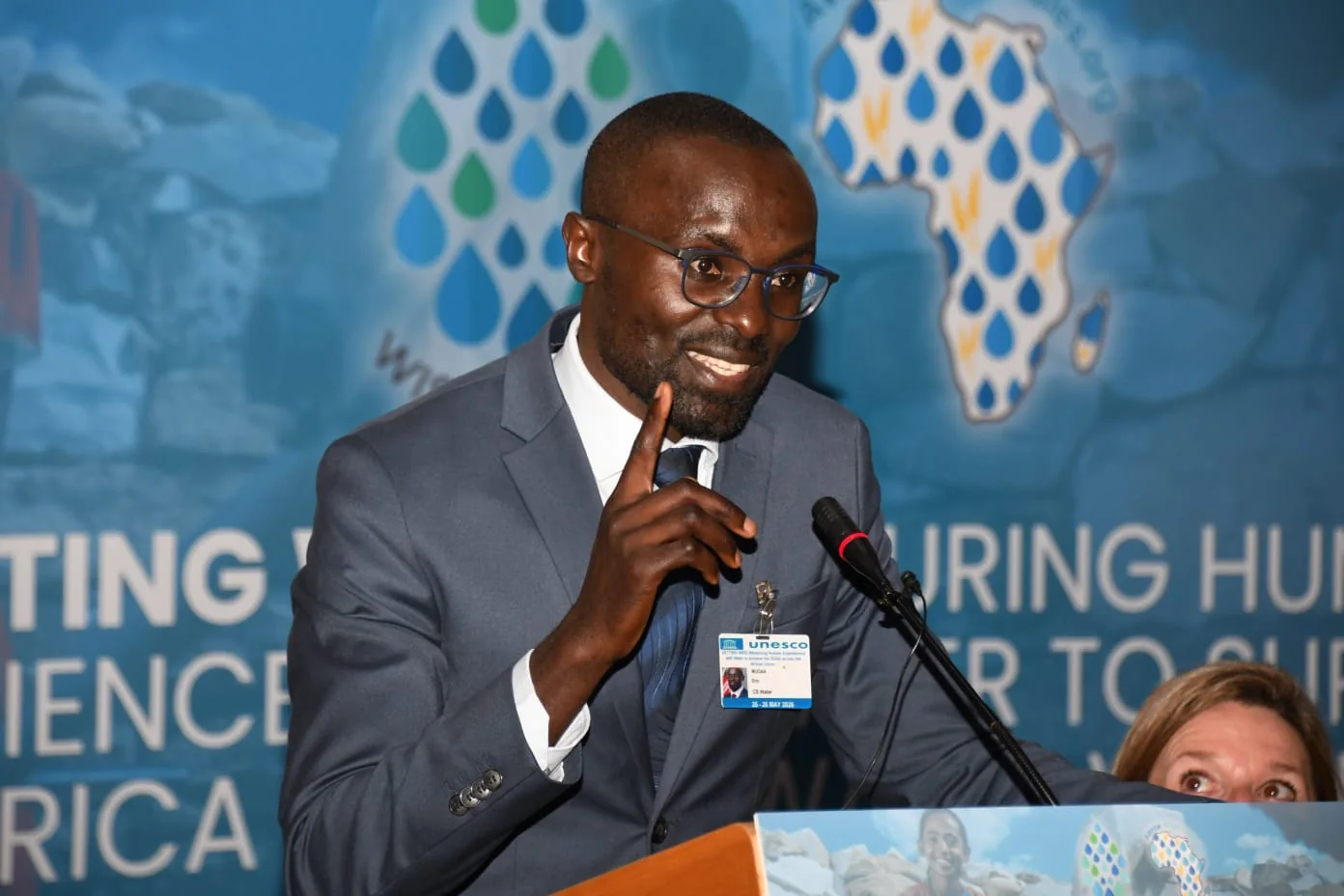
The CS said the government is now shifting attention to long-term systems that ensure stability, pointing to the need for stronger financing arrangements, infrastructure expansion, and partnerships that guarantee consistent supply.
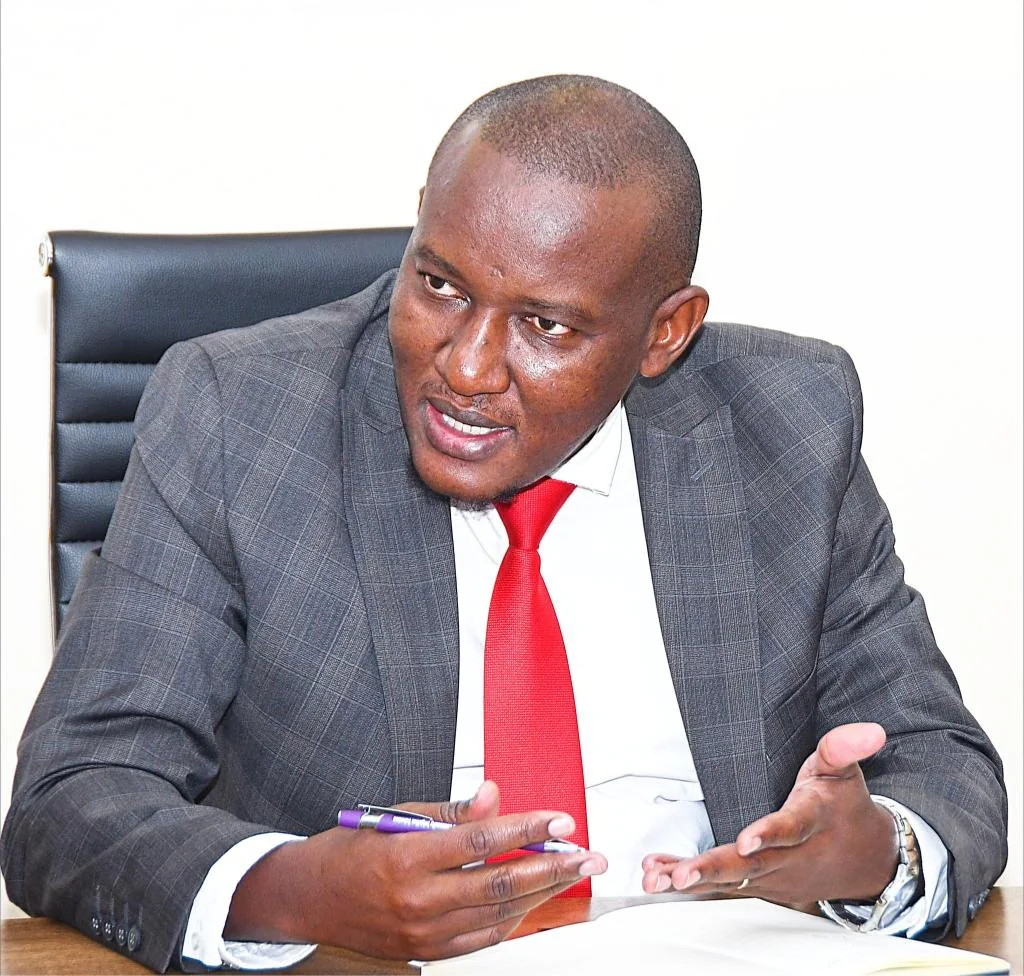
Irrigation PS Ephantus Kimotho met World Bank officials in Nairobi to discuss strengthening cooperation under the Kenya Sustainable Irrigation for Resilient Economy (K-RISE) programme. The plan targets farmers to boost food security, water management and climate resilience.
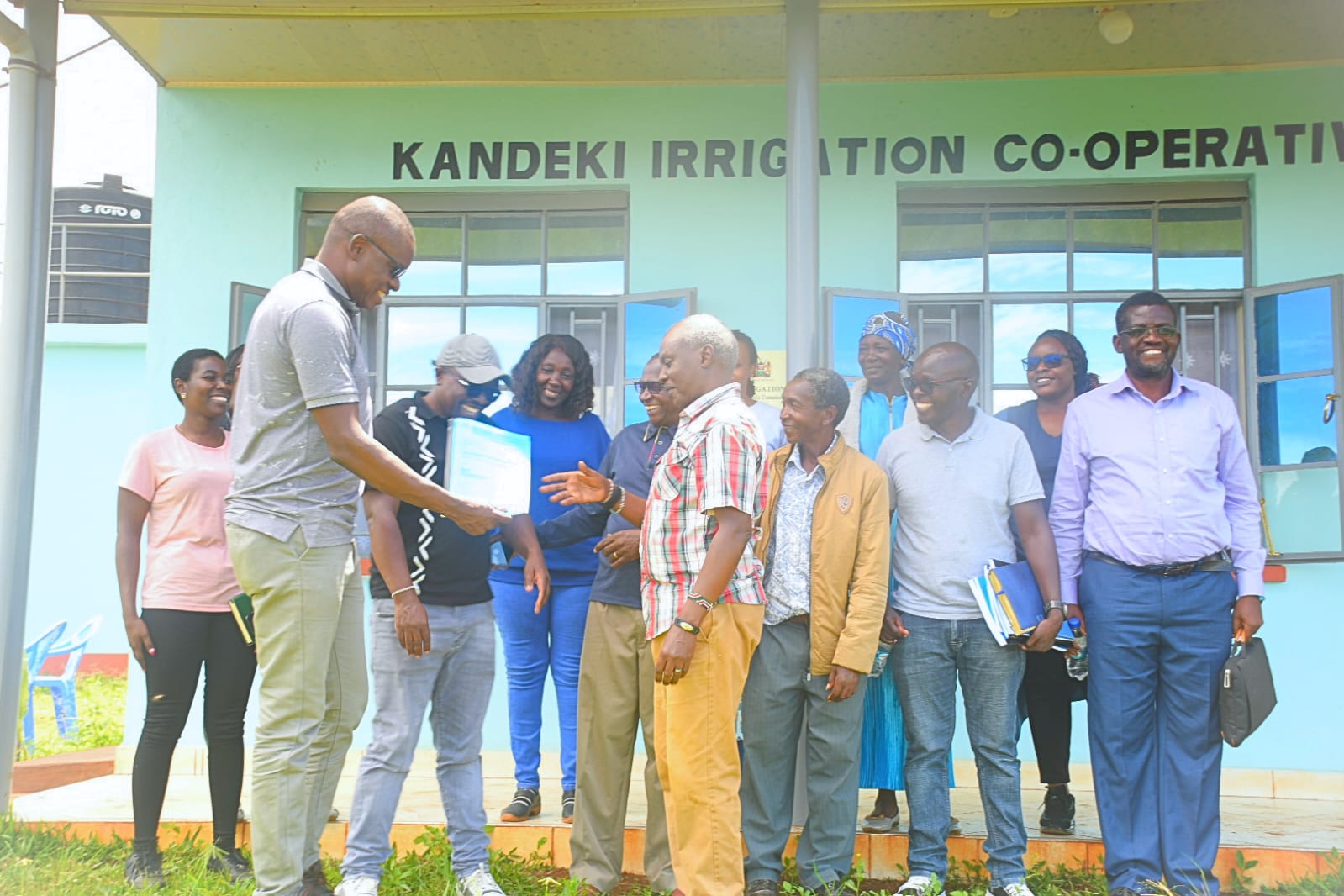
According to officials, the Kandeki Irrigation Scheme will operate under a cooperative society made up of the 246 beneficiary farmers, who will now manage water distribution and daily operations of the project.
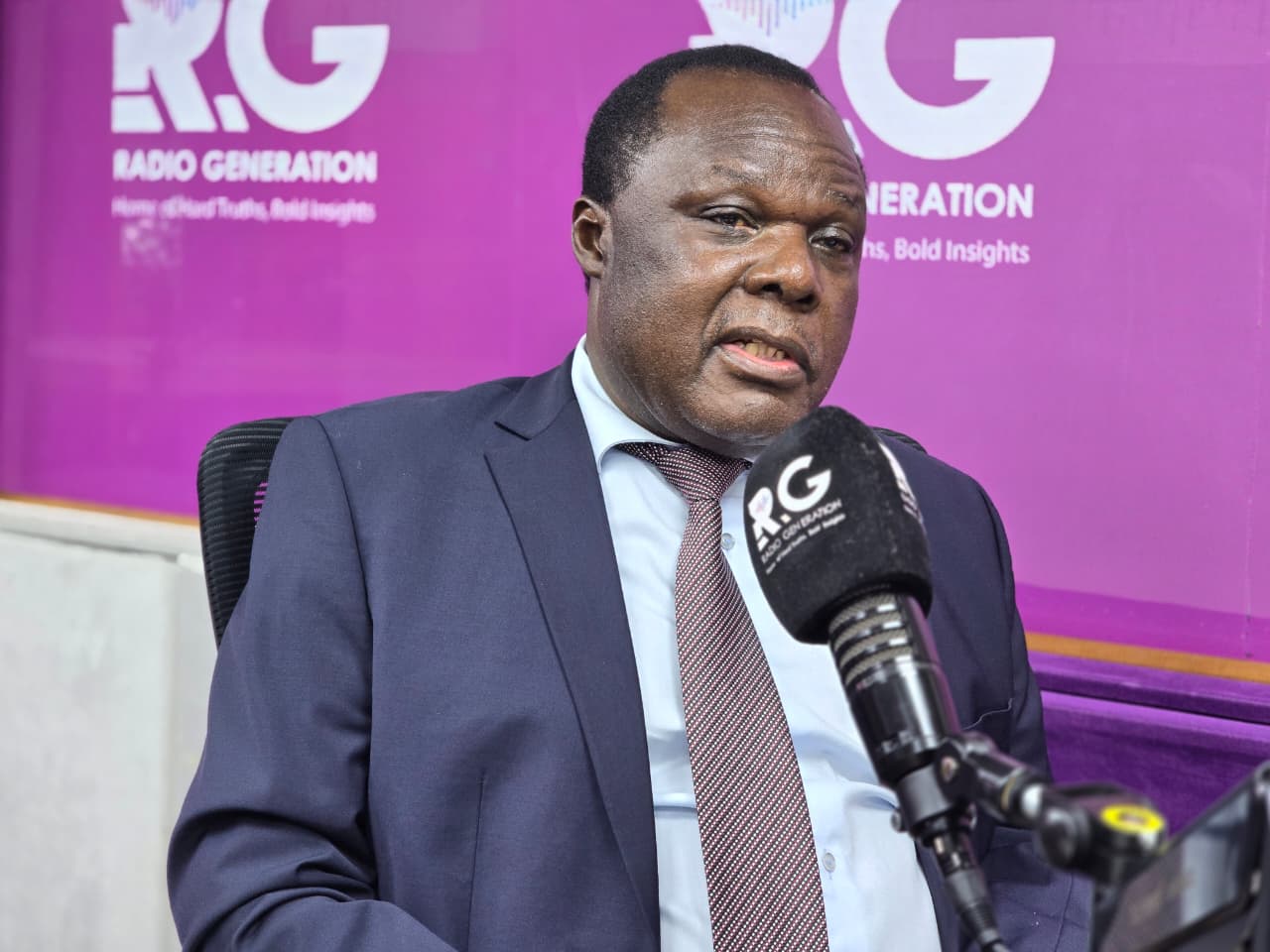
The PS warned that irrigation might not be practical for small-scale farming in northern counties like Garissa and Mandera due to extreme temperatures, saline soils, and limited rainfall.
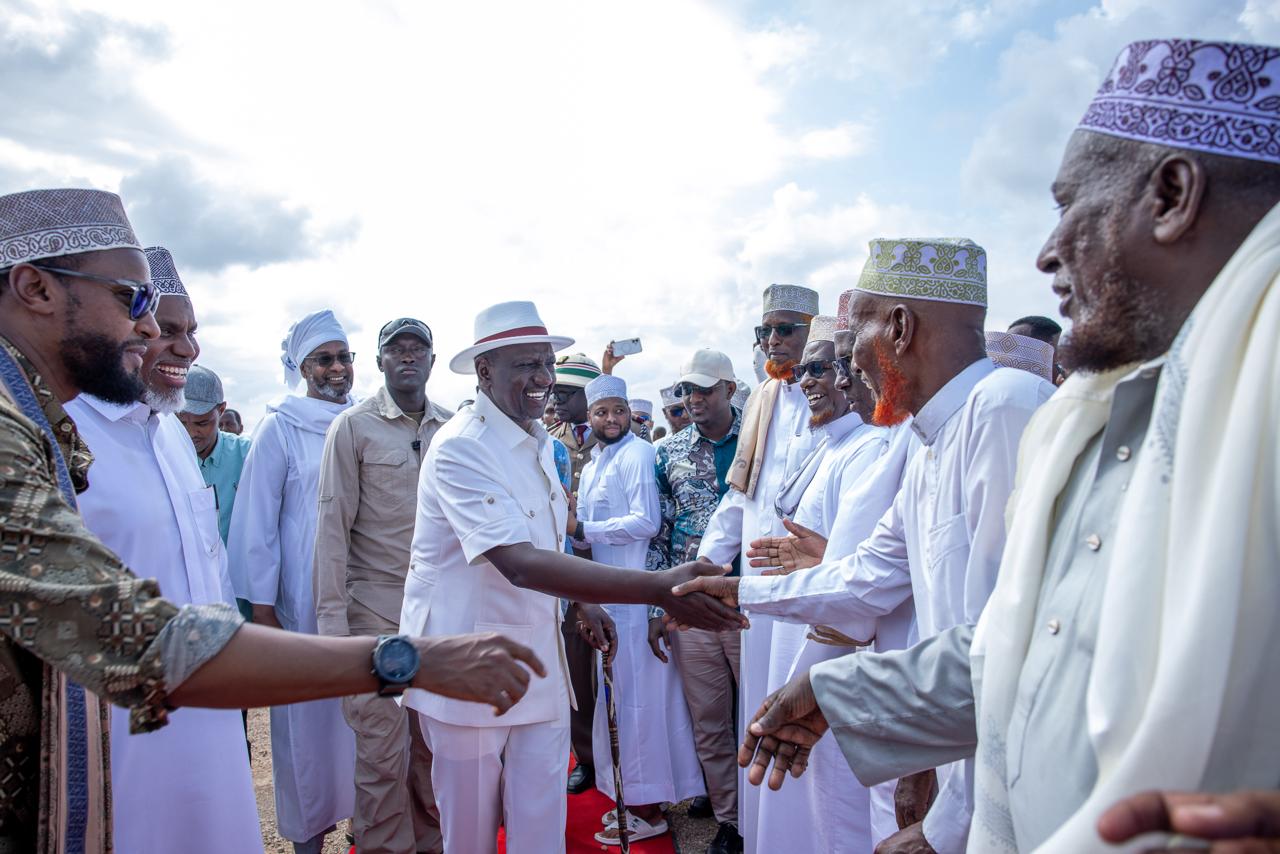
Ruto addressed the long-standing perception that northern Kenya is a low-potential area, noting that the government’s investments are meant to change this narrative. Central to these plans is the construction of 50 large dams and more than 1,000 smaller dams across the country, which will provide water for irrigation, food production, and climate resilience.
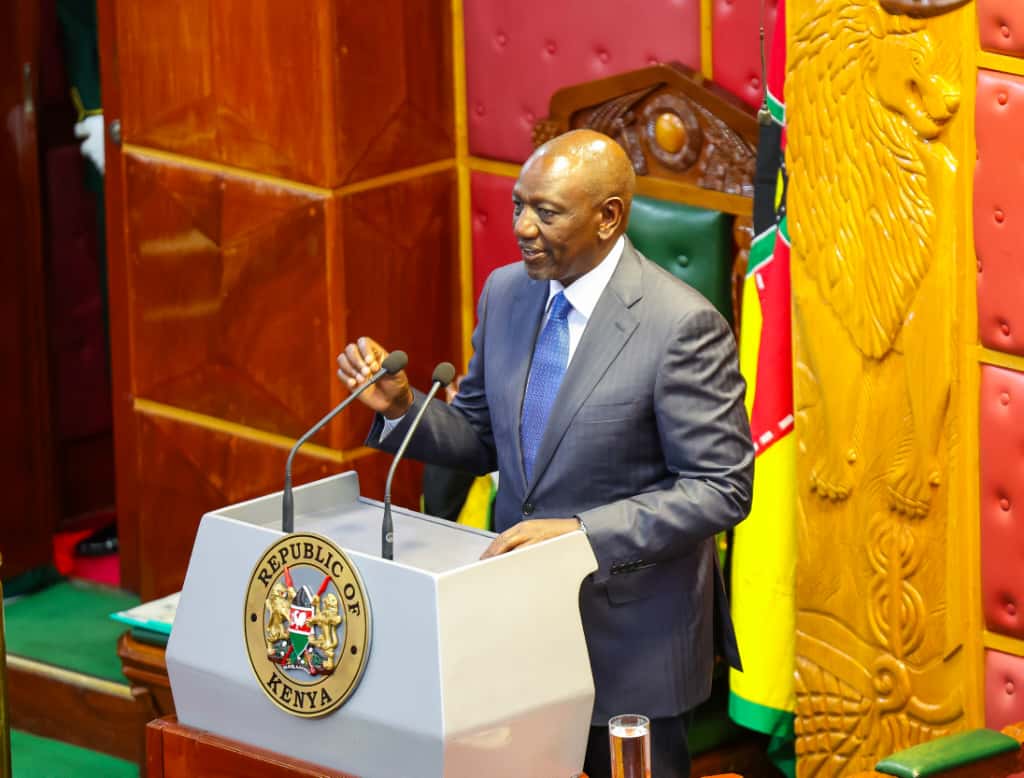
In his State of the Nation Address, the President said limited rainfall can no longer determine the country’s food supply. He noted that just a fraction of Kenya receives enough rain to sustain dependable food production, a situation he said has kept farmers vulnerable to drought cycles.