Top Stories
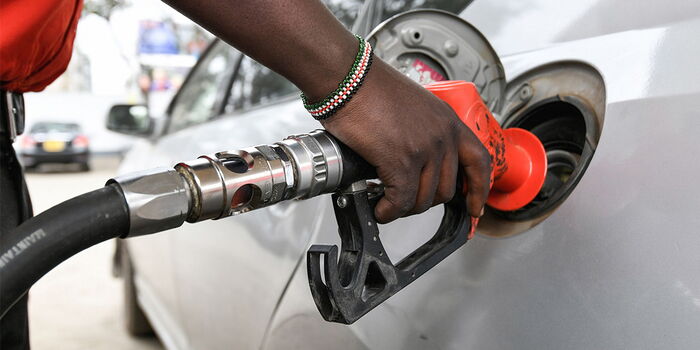
Kenyans get relief as EPRA announces new fuel rates
The reduction comes after careful calculations by the regulator and will take effect from Sunday, February 15, running through to March 14.

Hard truths. Bold Insights. Real talk.
The reduction comes after careful calculations by the regulator and will take effect from Sunday, February 15, running through to March 14.
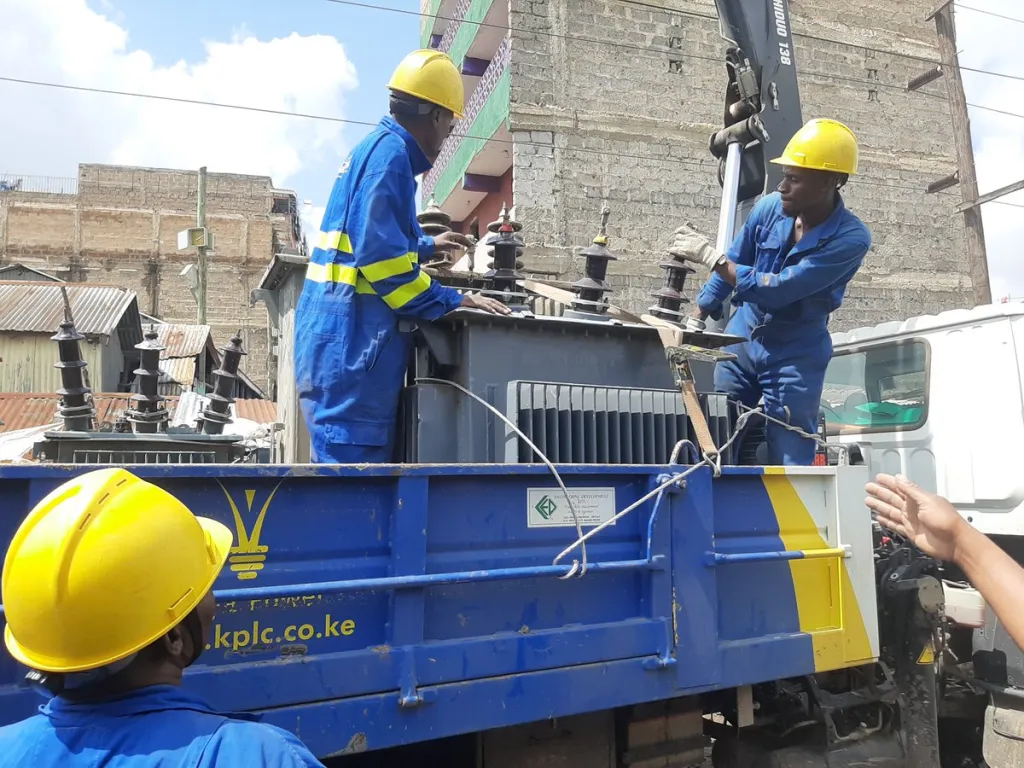
Kenya Power has already completed talks with several Independent Power Producers to review Power Purchase Agreements that have long been blamed for driving up electricity prices. The new terms, which aim to cut tariffs and convert contracts from foreign currency to Kenya Shillings, were finalised during the financial year ending June 2025 and submitted to Treasury and Epra for review, according to the Auditor-General.
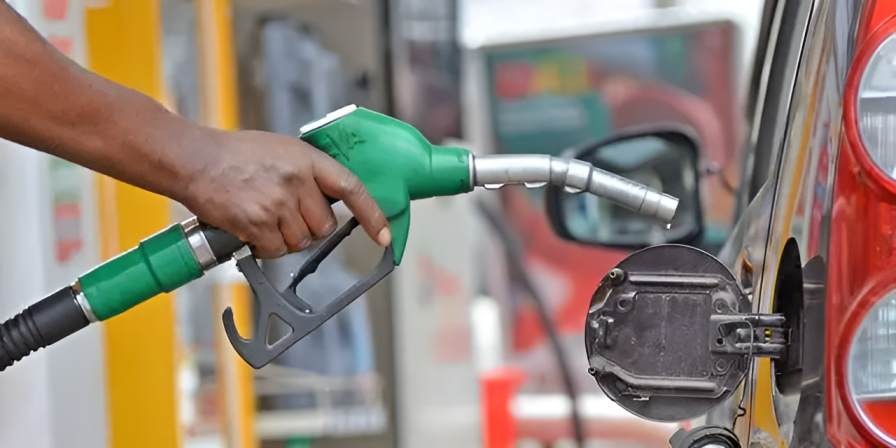
The new prices will apply from January 15 to February 14, 2026, following a review conducted in line with the law.

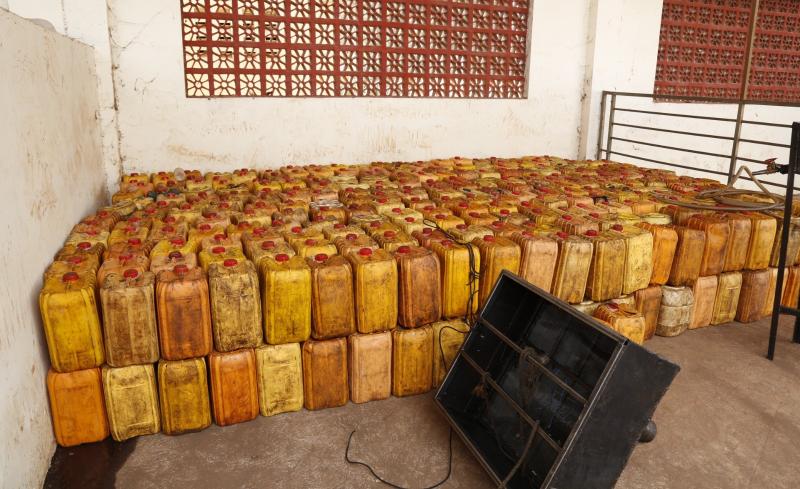
EPRA also reported multiple cases involving trucks ferrying diesel that was either adulterated or intended for export.
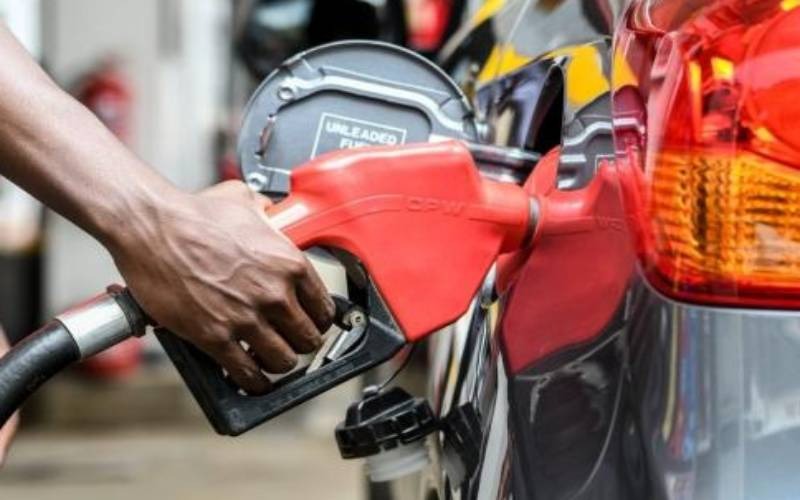
Kenya’s EPRA has left petrol, diesel and kerosene prices unchanged from December 15, 2025 to January 14, 2026, citing mixed global oil trends and a stable shilling.
Established in 2005 under an inter-governmental Memorandum of Understanding, the IRB is one of six organs of the EAPP. The regional electricity market includes 13 countries: Burundi, Djibouti, Democratic Republic of Congo, Libya, Rwanda, Egypt, Ethiopia, Kenya, South Sudan, Somalia, Sudan, Tanzania, and Uganda.
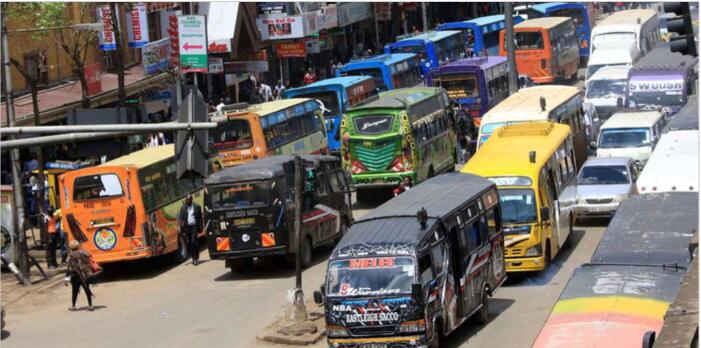
The operators warn that the rule will only make the situation worse as the December festive season approaches, noting that heavy movement during this period requires stable and predictable transport options. According to them, enforcing the ban at such a time “will likely create chaos,” leaving commuters stranded in a period when demand for public transport is highest.
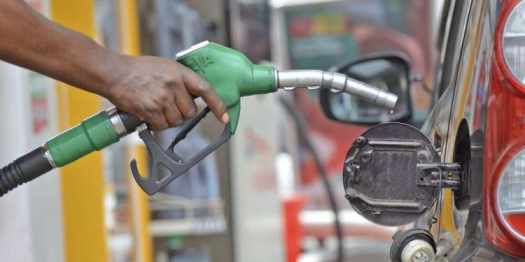
In Nairobi, Super Petrol will continue to retail at Sh184.52 per litre, Diesel at Sh171.47, and Kerosene at Sh154.78. The prices, which take effect from midnight, include the 16 per cent Value Added Tax, in line with the Finance Act 2023, the Tax Laws (Amendment) Act 2024, and updated excise duty rates as per Legal Notice No. 194 of 2020.
Epra, mandated to oversee the import, refining, storage, transportation, and sale of petroleum products, ensures that all fuel in the market meets safety and quality standards while protecting government revenue and market stability. It also regulates fuel prices, issuing monthly reviews to safeguard consumers and maintain a sustainable supply chain.
In its latest review released on Tuesday, EPRA said the cost of Super Petrol, Diesel, and Kerosene will remain at Sh184.52, Sh171.47, and Sh154.78 per litre, respectively, in Nairobi.
The report indicated that the lowest interruption durations were recorded in June 2025 at 7.31 hours, a month characterized by low rainfall and cold weather.
Household electricity use grew by 13.03 percent to 3,640.32 GWh, making residential consumption one of the fastest-growing segments of the market. Small commercial enterprises also saw an 11.5 percent increase in usage, reaching 1,913.26 GWh, a rise attributed to urban expansion and growth in micro and small businesses.