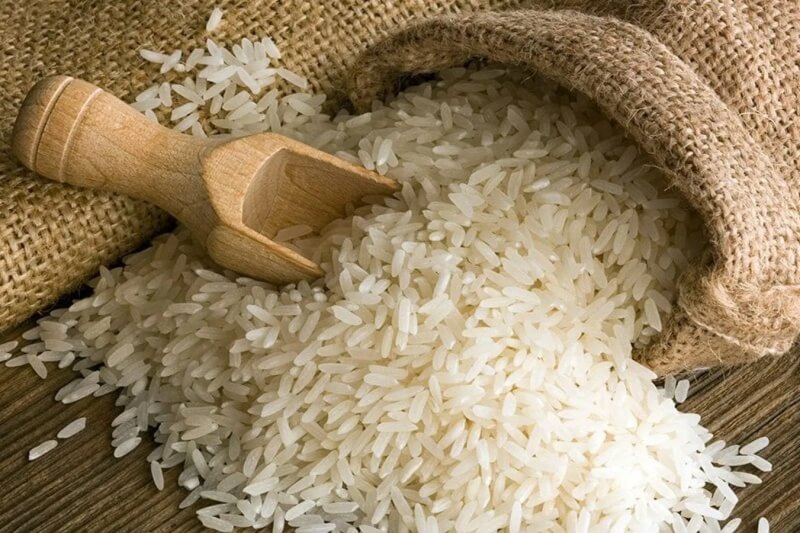
Mwea farmers seek urgent release of Sh210m rice payment
The farmers, through the Mwea Rice Growers Multipurpose Cooperative Society (MRGM), said they completed a government-backed supply deal but are yet to receive the money that was due by July 31.

The new producer price will apply at designated aggregation centres where the government has already begun the annual wheat mop-up exercise ahead of any wheat importation. The ministry explained that the arrangement demonstrates its commitment to prioritising locally produced grain and protecting Kenyan farmers before imported wheat enters the market
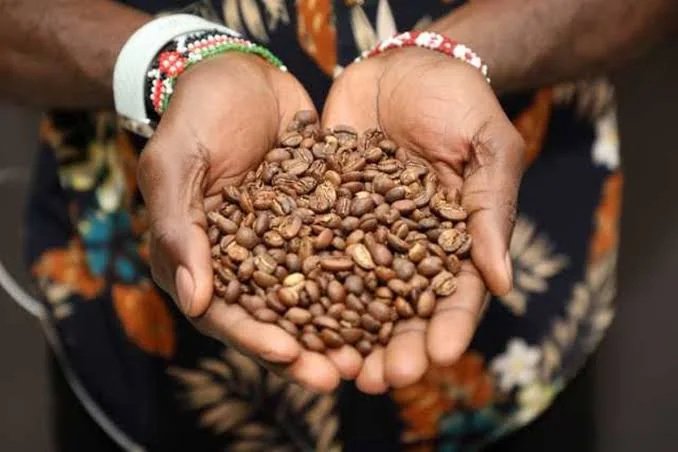
Figures released by the Agriculture and Food Authority (AFA) show Kenya earned $40.8 million, equivalent to Sh5.27 billion, from coffee exports to the United States between January and March. This marked a 101.2 percent increase from the $19.01 million, or Sh2.46 billion, earned in the corresponding period last year.
Output is also forecast to increase, with production projected to grow by 4.8 per cent to 727,000 tonnes in 2026. The rise is linked to improved yields and a steady increase in acreage under the crop.
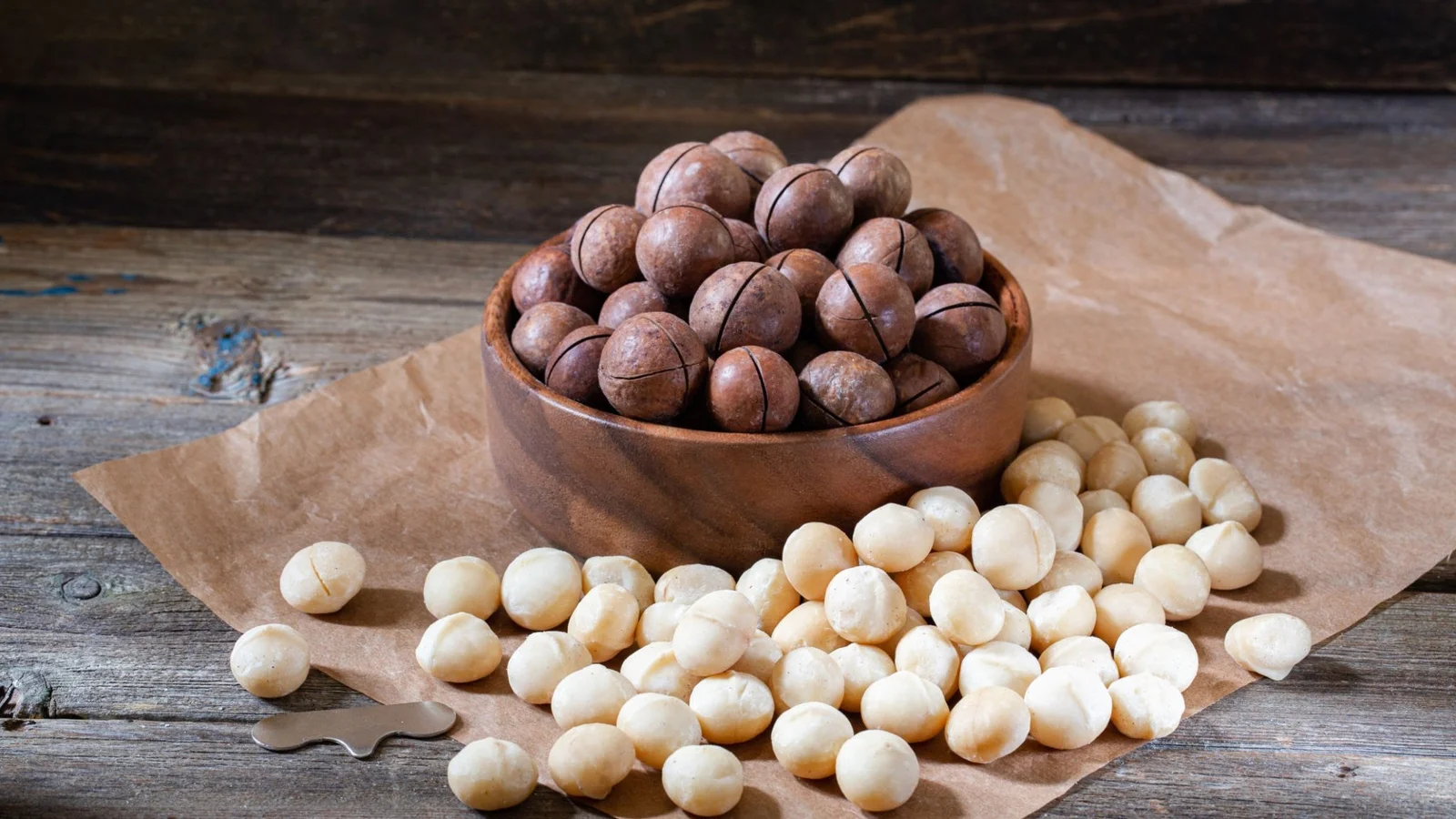
The operation, which spans 14 counties where macadamia is grown, is aimed at flushing out rogue traders and processors, protecting farmers from exploitation, and ensuring that only approved buyers operate within the value chain.
The regulator also ordered exporters to submit a list of their duly registered Horticultural Produce Marketing Agents (HPMA) or suppliers by March 30, as part of efforts to streamline traceability and compliance within the sector.
India is emerging as a high-potential market due to its growing population of health-conscious consumers and improved affordability following reductions in import duties.
The CS emphasized the need for verified farmer data, credible investor vetting, and stronger national-county coordination to streamline the sector.
The closure, which began on December 1, 2025 and runs until February 15, 2026, was introduced to allow close monitoring of crop maturity and to stop the sale of immature nuts. During this period, the authority focused on safeguarding quality standards while enforcing rules in key production areas.
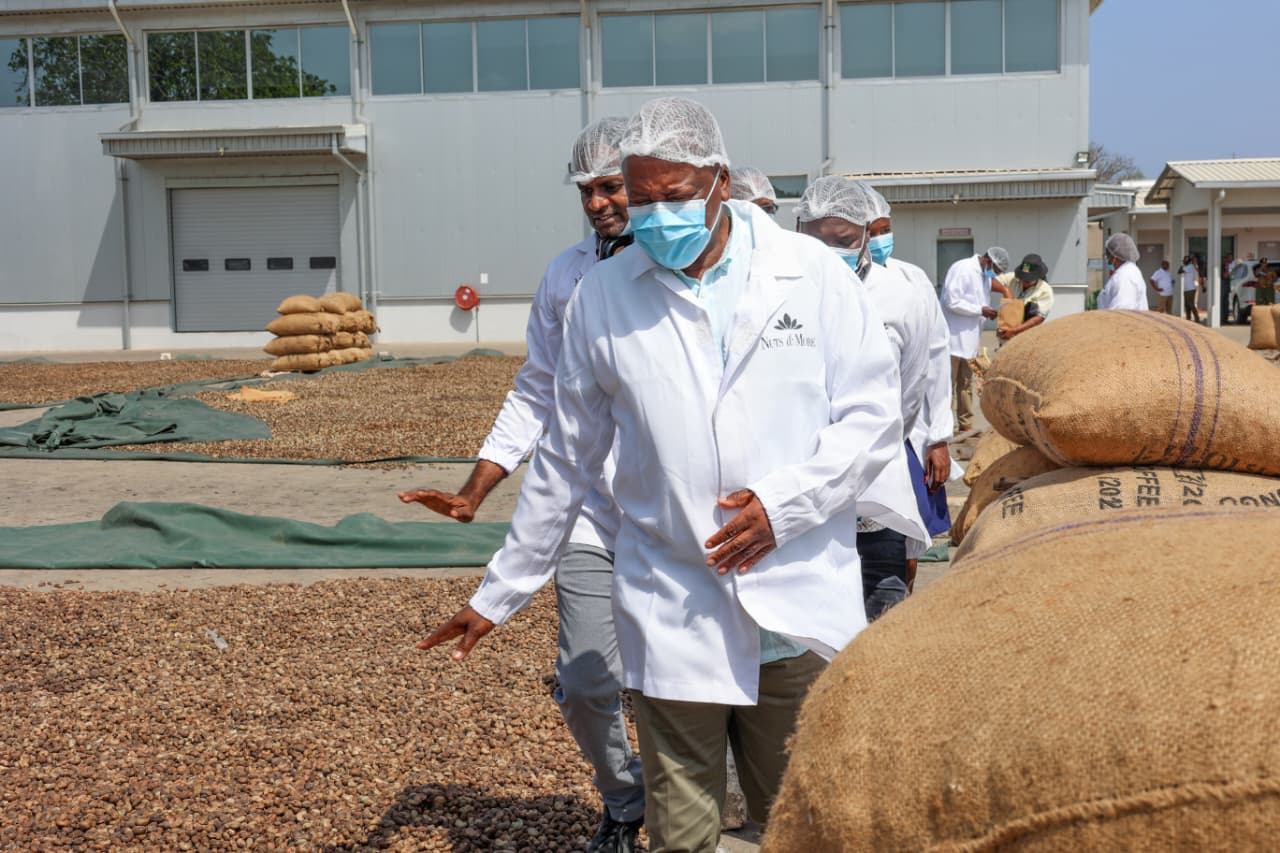
Kenya currently produces about 13,000 tonnes annually, far below its installed processing capacity of 45,000 tonnes.
Factories in the East of the Rift recorded an average of USD 2.95 per kilogram, while those in the West averaged only USD 1.78 due to lower-quality teas.
On the actual quantity of miraa exported daily to Somalia, Kagwe said government records show exports ranging between 13 and 17 tonnes per day, contrary to the over 40 tonnes reported by the Nyambene Miraa Trade Association (NYAMITA).