National Strategy Forum and Linda Mwananchi Movement representative Anderson Mwenesi has accused President William Ruto of fuelling a political confrontation with Trans Nzoia Governor George Natembeya, claiming the dispute goes beyond development projects and is linked to the governor’s support for Nairobi Senator Edwin Sifuna ahead of the 2027 General Election.
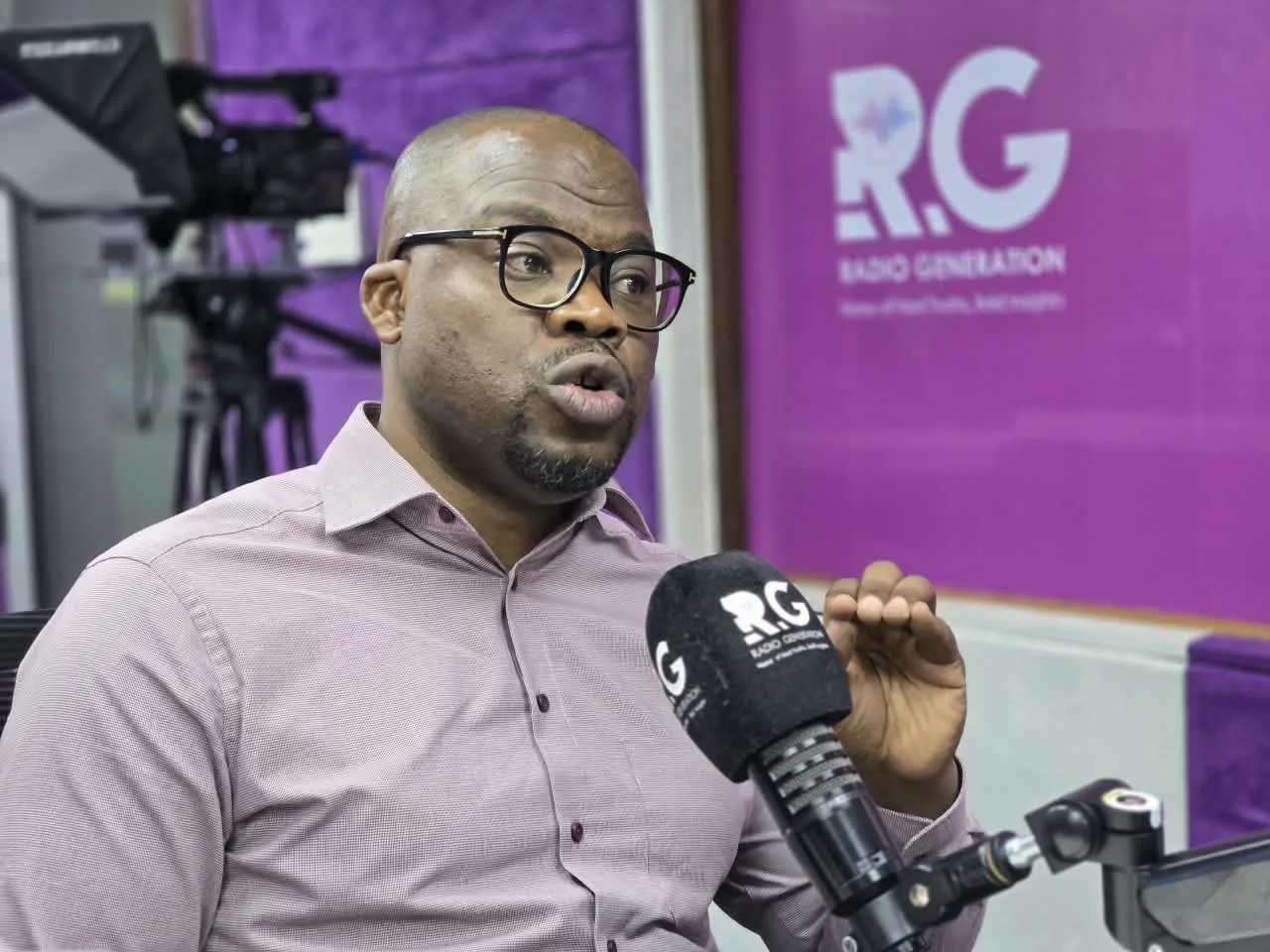
Speaking on Radio Generation on Tuesday, Mwenesi said the tensions between the President and Natembeya were unnecessary, warning that disagreements over development should not be turned into a political fight. He defended the governor’s position on the management of county projects, arguing that Natembeya was standing up for devolution rather than opposing development in Trans Nzoia.
“The situation in Trans Nzoia is an interesting one, because from where I see it, I think the president looked for trouble, and he kept poking it. From where I sit, it is absolutely unnecessary,” Mwenesi said.
“We can agree that it is politics. Let us do our politics, and where we go in different directions, it is okay, because it is not a matter of life and death.”
His remarks come amid a growing dispute between Ruto and Natembeya over the Masinde Muliro Market in Kitale, where the two leaders have clashed over the ownership, management and political credit for the development project.
The President commissioned the market on October 16 despite objections from Natembeya, who maintained that the county government had financed its construction and should therefore remain in charge of its management and the allocation of trading spaces.
Before the launch, Natembeya had threatened to take legal action to stop the commissioning, arguing that the national government was seeking credit for a project funded by the county administration.
The disagreement escalated after the governor removed a plaque bearing Ruto’s name from the market, deepening the public fallout between the two leaders.
The dispute also affected business activities in Kitale on Monday, October 19, as a heavy police presence was reported in the town amid concerns over possible clashes.
Ruto has accused Natembeya of standing in the way of national government projects and frustrating efforts to improve infrastructure and healthcare services in Trans Nzoia.
During his October 12 tour of the county, the President pointed to Endebess Hospital and Kenyatta Stadium in Kitale while criticising what he described as the retrogressive politics of Natembeya’s Tawe movement.
However, Mwenesi suggested that the confrontation should also be viewed through the changing political alliances taking shape ahead of the 2027 elections, particularly Natembeya’s growing relationship with Sifuna and the Linda Mwananchi movement.
He identified Natembeya as one of Sifuna’s strongest supporters within the movement, suggesting that the governor’s political alignment could be a factor behind the pressure he is facing.
“Who is the strongest supporter of His Excellency Edwin Sifuna in the Linda Mwananchi movement, as we speak right now? George Natembeya,” he said.
Mwenesi further alleged that a deliberate campaign was being mounted to weaken Natembeya politically and reduce his chances of retaining the Trans Nzoia governorship in the next election.
“You set up five contestants against George Natembeya for the gubernatorial seat, send every form of surrogate to campaign against him, and then you come yourself as a sledgehammer to seal it,” he maintained.
The remarks come as political leaders associated with Linda Mwananchi continue to organise around Sifuna’s growing national ambitions.
On September 28, the movement’s leadership was reported to have settled on Sifuna as its leader and presidential candidate following consultations among its principals. Natembeya has also taken part in the movement’s mobilisation activities across Western Kenya.
Mwenesi argued that Natembeya’s political influence had helped create room for a wider political movement among the Luhya community, giving Sifuna an opening to build support beyond his immediate political base.
He said the Tawe movement had played a role in encouraging members of the community to organise around shared interests and recognise their collective political strength.
“For a long time, the Tawe community lacked a unifying voice to rally its people around their shared interests and encourage them to recognise their collective strength and potential,” he said.
According to Mwenesi, Natembeya’s mobilisation efforts helped lay the foundation for a broader political movement that Sifuna could build on when seeking support across the region.
He argued that the governor had already helped create a political environment in which a leader such as Sifuna could gain wider acceptance.
“In my opinion, it made it easier for Sifuna to be accepted, because somebody had already started it, and now Sifuna, who had the persona of somebody who was accepted, came in on a much broader spectrum. It fitted in perfectly,” he added.
Mwenesi also recalled a period when Natembeya’s political profile was rising nationally, saying the governor had appeared to be a potential contender for higher political office.
He maintained that the pressure currently facing Natembeya would not easily force him to abandon his political position or distance himself from the emerging movement.
The dispute over the Kitale market has consequently grown into a wider political contest involving the division of responsibilities between national and county governments, the management of public development projects and the political interests of leaders preparing for the 2027 General Election.
While Ruto has accused the governor of frustrating development, Mwenesi views the confrontation as part of a broader political struggle in which Natembeya’s support for Sifuna and the Linda Mwananchi movement has become increasingly important.
For Mwenesi, the events in Trans Nzoia show how disagreements over development projects can turn into wider political battles as leaders build alliances and position themselves ahead of the next general election.