
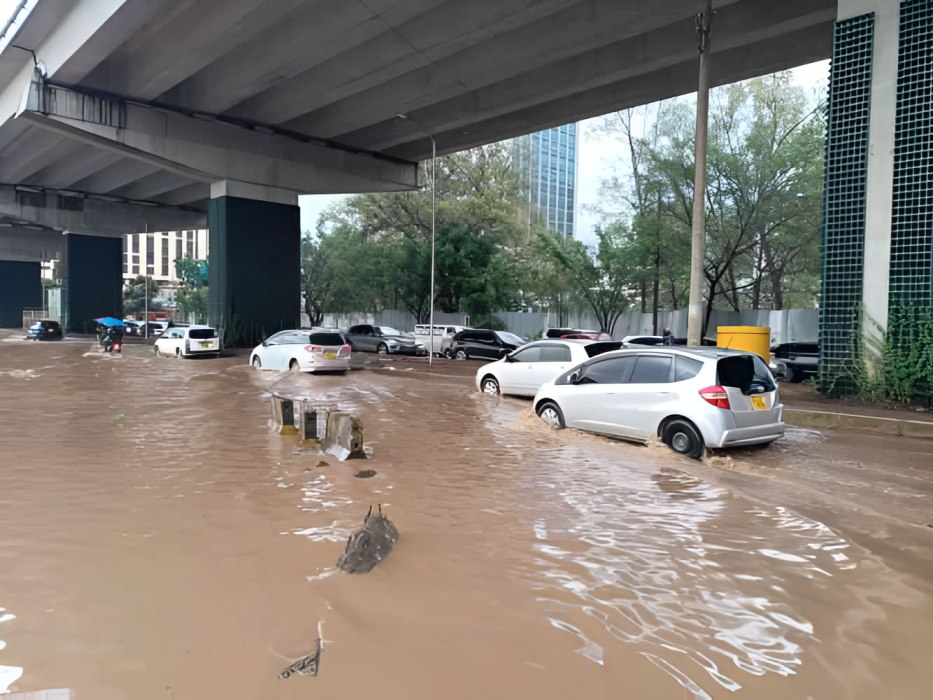
With heavy rains expected in the coming months, Nairobi has stepped up work to prevent stormwater from overwhelming the city, focusing on drainage channels, riverbanks and other areas vulnerable to flooding.
County environmental teams have been deployed to remove waste and accumulated silt from waterways, reopen blocked drains and clear narrow passageways that could obstruct the movement of rainwater.
The Green Army, which operates under the Nairobi County Government, is at the centre of the exercise. Its teams are working alongside other county workers to clear debris from river channels and restore the flow of water through clogged sewer and drainage networks.
The work is intended to create open routes for stormwater before the onset of heavy rains, particularly in parts of Nairobi that regularly experience flooding.
Beyond the immediate clean-up, the county is also pursuing wider changes to the city’s river system through the Nairobi River Regeneration Programme.
One of the major interventions involves widening parts of the Nairobi River to allow it to carry more water and improve the movement of stormwater through the river network.
Governor Johnson Sakaja said the county was taking action early rather than waiting for heavy rains to expose weaknesses in the drainage system.
“We are preparing Nairobi before the rains come. Our teams are on the ground clearing blocked waterways, opening up drainage systems and ensuring that our rivers have the capacity to carry stormwater. The widening of the Nairobi River under the regeneration programme is also part of this long-term preparedness,” Sakaja said.
The measures combine short-term maintenance of drainage infrastructure with longer-term work intended to increase the capacity of Nairobi’s waterways.
The county’s preparations come against growing concern over the impact of the October-November-December (OND) rains, with Nairobi classified among urban centres that face a high risk of flooding during the season.
The National Disaster Operations Centre (NDOC), together with the Interior Ministry, has warned that flooding could affect urban areas if drainage systems become overwhelmed or remain blocked.
The concern extends beyond Nairobi, with Mombasa and Kisumu also identified as cities that could face pressure on drainage networks and other infrastructure when the rains intensify.
According to the Interior Ministry, the three cities are expected to face some of the highest pressure on services and infrastructure as the rainy season reaches its peak.