
Safaricom’s practice of deactivating and reallocating inactive mobile numbers came under scrutiny in Parliament on Tuesday, with lawmakers examining the risks the process poses to mobile money, banking and digital accounts.
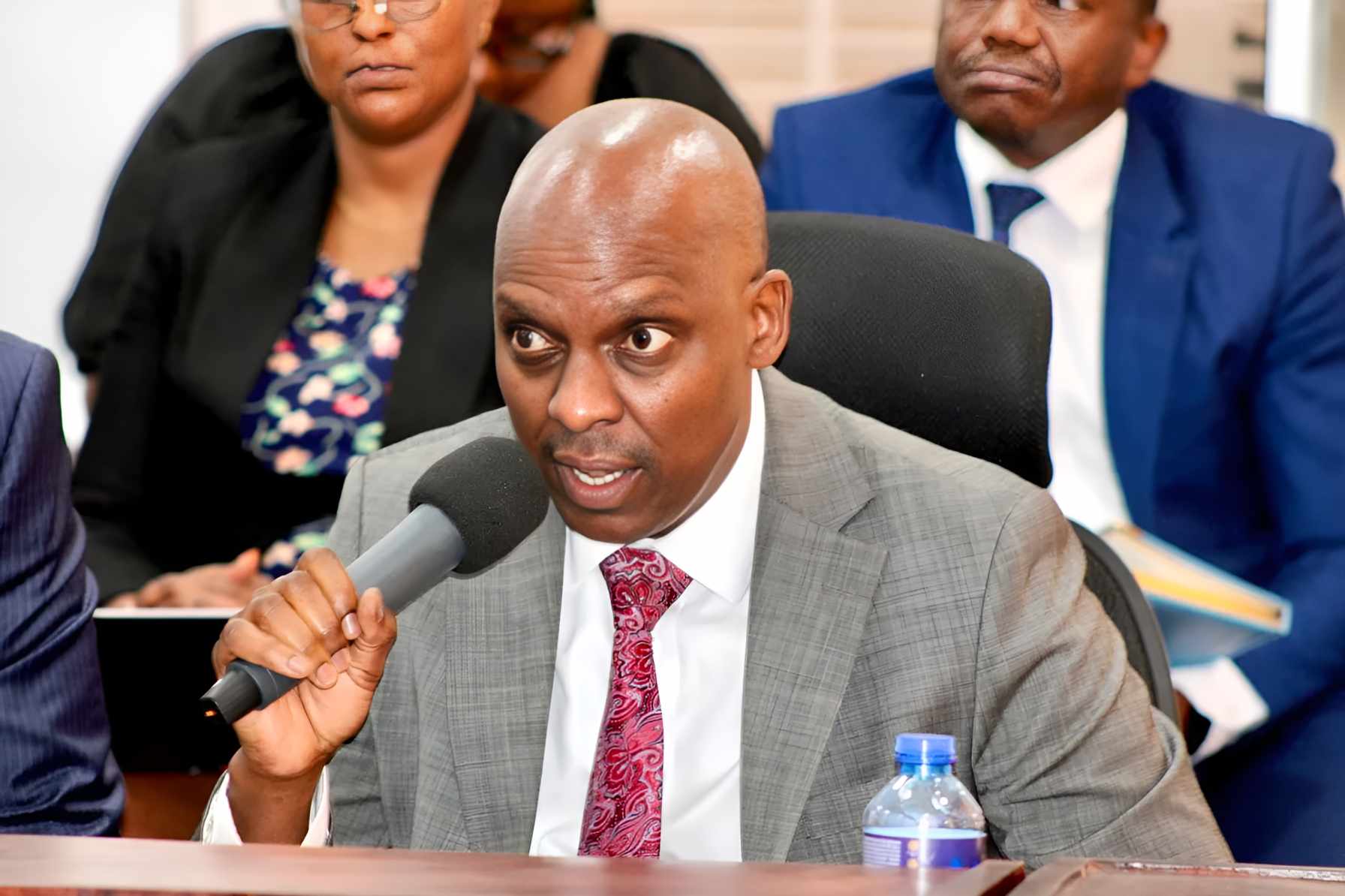
Communications Authority of Kenya David Mugonyi appeared before the National Assembly Public Petitions Committee as MPs considered Public Petition No. 24 of 2026, which challenges the deactivation and recycling of SIM cards after prolonged inactivity.
The petition alleges that numbers are deactivated after six months without sufficient notice to customers before being assigned to new subscribers.
The issue has gained importance as mobile numbers have become closely linked to financial services, online accounts and digital authentication, raising concerns about what happens to personal information and financial services when a number changes ownership.
The Communications Authority of Kenya said new safeguards introduced after a March 19, 2026, High Court ruling now require mobile operators to take additional steps before recycling inactive numbers.
Under the Procedures and Technical Safeguards for Deactivation and Recycling of Inactive Mobile Numbers, 2026, operators must use contacts provided during the Know Your Customer process to reach subscribers whose numbers have remained inactive for more than three months.
The notification process is expected to continue for three months before further action is taken.
The authority also requires operators to issue a public notice before recycling numbers that have been inactive for more than six months.
“The guidelines further require all service providers to issue a generic public notice of intention to deactivate and recycle numbers detected to be inactive for more than six months,” the authority said.
Subscribers will also be able to check whether their numbers are affected through a USSD service included in the public notice.
The safeguards provide an option for subscribers who may be unable to use their numbers for extended periods because of illness, incarceration, remand or other circumstances.
“The developed Procedures and technical safeguards for deactivation and recycling of inactive mobile numbers, 2026, have a provision that allows a subscriber or a person legally authorised to act on behalf of a subscriber to request for whitelisting of their number,” the authority said.
The protection also extends to deceased subscribers where an authorised person provides the required evidence.
The authority said operators must make efforts to contact customers through alternative channels, including email, social media accounts and other numbers provided during KYC.
Where contact fails, information linked to the number must be separated from it and retained in accordance with data-retention laws.
“Upon unsuccessful contact, all the data associated with the number are delinked, archived, and retained in line with any applicable laws of data retention.”
However, the authority said financial assets connected to mobile numbers fall outside its mandate.
“The Authority wishes to point out that matters of financial assets, both in the active and inactive (recycled) SIM cards, are not within the realm/mandate of the Communications Authority of Kenya.”
The new safeguards were required to be operationalised by September 19, 2026, following the High Court directive. The authority said it would continue monitoring their implementation as technology and consumer concerns evolve.