
Formula 1 is preparing to return to African soil after more than 30 years away, with Rwanda signing a 10-year agreement to stage the African Grand Prix in the early 2030s at a new racing circuit planned near Kigali.
The event will be held in Bugesera, about 25 miles south of the Rwandan capital and close to the city’s new international airport. It will be the first Formula 1 race on the continent since the South African Grand Prix in 1993.
The agreement follows years of discussions between Rwanda and Formula 1, with the sport saying the preparations have focused on securing suitable partners and putting in place the conditions needed to support the event over the long term.
The proposed circuit will be designed by former Formula 1 driver Alex Wurz. His company, WurzDesign, will work with track architect Tilke and DAR on the project.
The design will take advantage of Rwanda’s natural landscape, including its hills and changes in elevation, to create a fast and demanding course while giving spectators good views of the racing.
Formula 1 sees the deal as an opportunity to build a stronger following across Africa, a market where the championship has had a smaller presence than in Europe, Asia and the Americas.
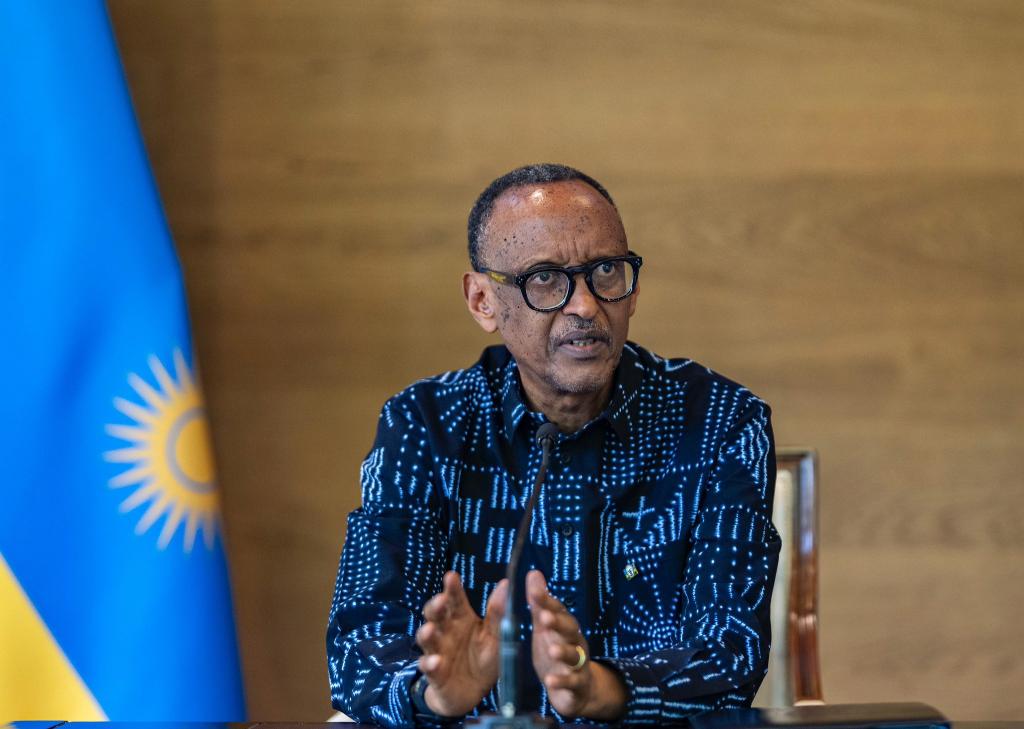
Rwandan President Paul Kagame said the agreement would give African fans the chance to experience the sport closer to home while opening up opportunities for young people to pursue careers in motorsport.
"For more than three decades, the world's premier motorsport championship has raced without this continent, and that changes with this agreement.
"Rwanda is proud to host the Formula 1 African Grand Prix, and to share this moment with more than 100 million fans across Africa, many of them young people who deserve to see the sport at home and to see themselves in it: as engineers, technicians, entrepreneurs and, one day, drivers.
"The circuit in Bugesera, alongside the new international airport, will bring jobs, skills, tourism and new business to our country and our region for decades to come, because our aim was never a single race weekend, but a lasting benefit for our people."
Formula 1 president Stefano Domenicali welcomed the agreement, calling it "a landmark moment for F1". He said the return to Africa would allow the championship to compete "on every inhabited continent".
Domenicali added: "Africa has always been part of Formula 1's future, and from the beginning we were determined to return in the right way, with the right partner, a long-term commitment and a clear vision for creating meaningful impact."
Despite the agreement, the organisers have not yet announced when the race will take place within the annual calendar.
Formula 1 has committed to limiting its season to no more than 24 races, meaning the new event will have to be fitted into the existing schedule.
Weather conditions are also expected to influence the decision. Rwanda experiences its main rainy season from March to May, followed by a shorter rainy period between October and November. Formula 1 is likely to avoid the longer wet season when setting the date.
Human Rights Concerns Surround Grand Prix Plans
Rwanda’s selection as the host of Formula 1’s return to Africa could attract criticism from human rights groups, which have accused the country of using high-profile sporting partnerships to improve its international image.
Similar concerns have been raised over Rwanda’s sponsorship deals with English Premier League clubs Arsenal and Aston Villa.
The country is also facing a case brought by neighbouring Democratic Republic of Congo at the International Court of Justice. The DRC accuses Rwanda of breaching several international treaties covering genocide prevention, racial discrimination, women’s rights and torture.
The dispute could add to scrutiny of the Grand Prix as Rwanda prepares to welcome one of the world’s most prominent sporting competitions.
A Formula 1 spokesperson said the event would offer an opportunity to reach a large audience across Africa and demonstrate the positive role sport can play.
"We have the opportunity to inspire and bring the passion of F1 to 100 million people across Africa and sport can be a positive force for good."
The planned circuit’s location beside the new international airport is expected to support access for overseas visitors, while the government hopes the race will generate business and tourism activity beyond the event itself.
However, the project remains in its planning stages, with the first race expected in the early 2030s and its exact date yet to be determined.
How Formula 1 Left Africa
Formula 1 first raced in Africa in 1958, when Morocco hosted the final round of that year’s World Championship.
South Africa later became the continent’s main destination for the sport. Races were held in East London, now known as KuGompo City, between 1960 and 1966 before the event moved to Kyalami, near Johannesburg, from 1976 to 1985.
Kyalami hosted two more races in 1992 and 1993 as apartheid was coming to an end. The 1993 South African Grand Prix remains the last time Formula 1 competed on the continent.
South Africa has since held discussions with Formula 1 about staging a new race, with Kyalami and Cape Town among the locations considered. Those efforts have not yet resulted in an agreement.
Rwanda’s 10-year deal now offers a new path for the championship’s return to Africa, with Bugesera set to become the centre of the planned event.
The project will test Formula 1’s efforts to expand its audience while working within the limits of its annual calendar. It will also place Rwanda under international attention as the country seeks to turn the race into a long-term source of tourism, jobs and business opportunities.
While the agreement marks an important step towards restoring Africa’s place on the Formula 1 calendar, questions surrounding Rwanda’s human rights record could remain part of the debate in the years leading up to the inaugural race.