
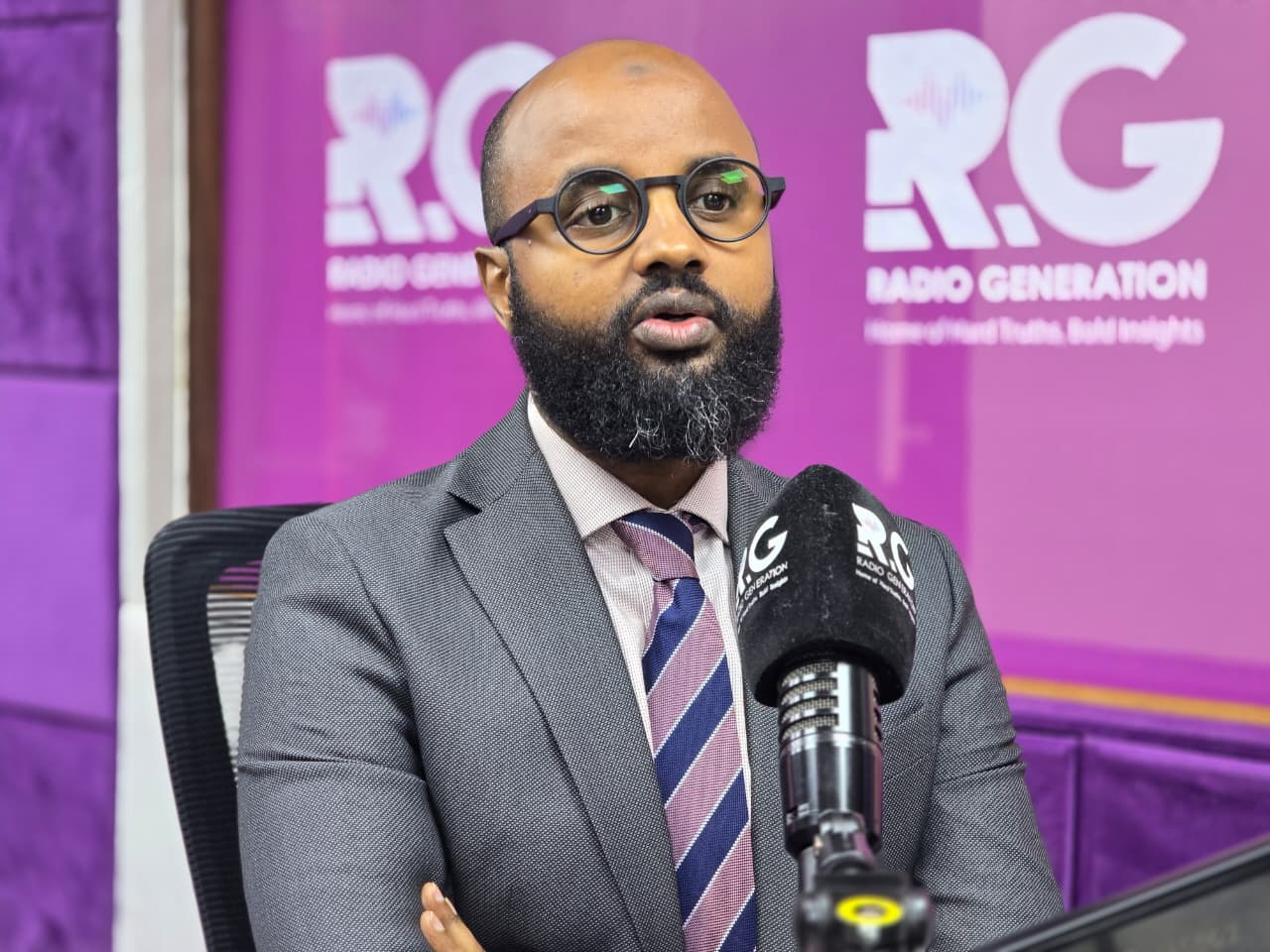
The Kenya Red Cross has cautioned Kenyans against dismissing the reported Ebola case as a hoax, warning that misinformation could hamper efforts to contain the disease and expose healthcare workers and emergency responders to unnecessary danger.
Kenya Red Cross Secretary General Ahmed Idris said on Tuesday that claims circulating on social media questioning the authenticity of the case were deeply concerning, particularly at a time when authorities and response teams are working to prevent further transmission.
His remarks came after Kenya reported its first Ebola case at Nairobi Hospital, prompting intensified containment measures and public health interventions.
Idris urged members of the public to consider the consequences of their statements and actions, particularly where misinformation could influence how communities respond to health workers and emergency teams.
“Some of the context and comments that we’ve seen today, comments being made by Kenyans, are extremely disheartening. When you see comments around, you know, claims that this is fictitious, this is a ploy to get attention, this is a ploy to mobilise resources, it’s just strange and heartbreaking,” he said during an interview on Citizen TV
The Red Cross official said the reported case had undergone testing at two laboratories that operate under internationally recognised standards, dismissing suggestions that the diagnosis had been fabricated.
“This case was tested in two different laboratories that have international standards. Cambridge Labs are labs that are respected globally for their ability to, you know, have efficient epidemiological analysis and testing for diseases. The National Reference Lab is also one where the quality is controlled by international standards. So it’s a bit strange for us to say this is fake; that’s one,” he stated.
Idris warned that public denial of the disease could undermine efforts to identify cases, trace contacts and interrupt transmission.
“Second, let’s remember what this claim on, saying this particular claim on, you know, the disease and the case reported, is fictitious. First, it makes the break on transmission very, very difficult. If we have a culture where people are consistently denying that there is no disease, then it makes transmission breaks impossible.”
Lessons from DRC
Idris pointed to the Democratic Republic of Congo as an example of how mistrust and denial can complicate responses to Ebola outbreaks.
He said some communities in the country had declined to work with health authorities because they did not accept that the disease existed, creating additional challenges for teams trying to control its spread.
“And one of the reasons why we’ve had a serious challenge around controlling the disease, for example, in Congo, is the fact that there are sections of the communities that, for one reason or another, have refused to cooperate and have refused to accept whether there’s a real disease.”
Beyond making containment more difficult, Idris said misinformation can have serious consequences for the safety of people directly involved in outbreak response.
He recalled attacks against Red Cross personnel during outbreaks in Congo and Uganda, saying some of the violence had been fuelled by claims that Ebola was not real.
“Since the beginning of this outbreak in Congo and Uganda, the Red Cross community in Congo, the Congolese Red Cross, we’ve had 11 to 12 individuals who have been attacked and seriously injured. Just this week, one individual, an ambulance driver from Uganda Red Cross, succumbed because individuals attacked them, largely informed by this claim that the disease is not real.”
Appeal against social media misinformation
The Kenya Red Cross secretary general appealed to Kenyans to avoid using social media to circulate unverified claims about the outbreak, saying the pursuit of online attention could have consequences beyond the digital space.
“So my request to Kenyans is, tweeting, you know, for likes about these claims that it is a fake thing constructed by different people. You may get the likes. It may sound funny, but it’s not funny in people’s lives.”
He said responders and healthcare workers are already operating in circumstances where they face the possibility of contracting the virus and should not have to contend with additional risks created by public misinformation.
“It is putting a risk to us first responders. It is putting a risk to the healthcare workers who are taking this seriously, who every day are going out there, facing the risk of getting this disease.”
Idris urged the public to treat the outbreak with the seriousness it requires and work with health authorities as containment measures are implemented.
He said public cooperation, rather than online speculation, would be critical to stopping the spread of the disease.
“So my request to Kenyans is, even before we make a request to you to support us on any resources, the biggest request we have is, let’s just take this thing seriously. Let’s cooperate, let’s be responsible individuals of the community, and we will be able to break this chain of transmission.”