The Kenya Private Schools Association (KPSA) is seeking changes to the proposed Basic Education Bill, 2026, warning that some provisions could undermine private school ownership, autonomy and the delivery of education.
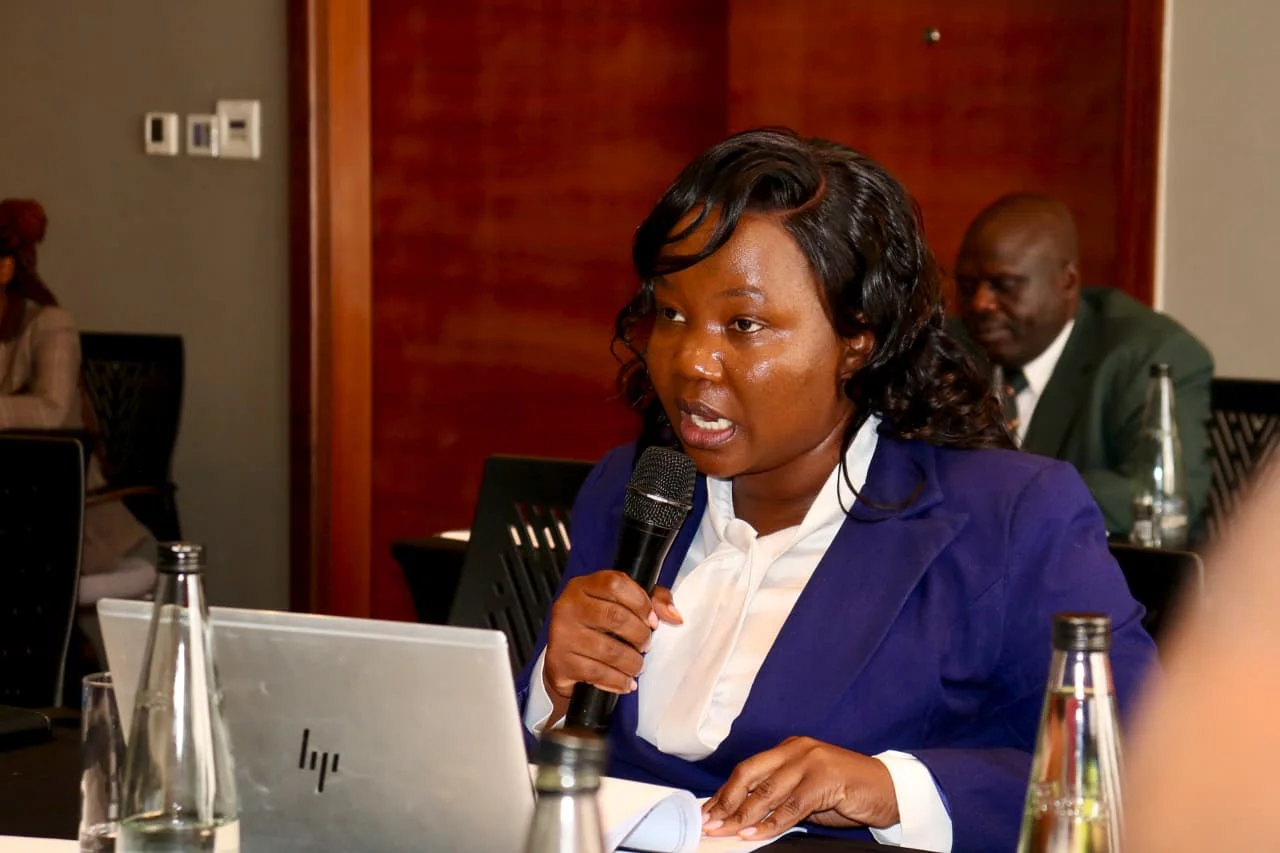
In a memorandum presented by the group CEO, Rose Eteye outlined proposed amendments, the association calls for clearer safeguards on school registration, inspections, closures, governance and the handling of private institutions’ property.
It also wants the law to recognise the distinct role of private schools within Kenya’s basic education system.
On tuition fees, KPSA proposes giving private institutions authority to determine charges based on the cost of running their schools.
“A private basic education institution shall have autonomy to determine its tuition fees and other charges through its proprietor or duly authorized governing body, having regard to the costs of providing and sustaining education at that institution. The institution shall disclose its fees, compulsory charges and payment terms to parents or guardians before enrolment and give reasonable written notice of subsequent changes, subject to applicable law on contracts, consumer protection and learner welfare.” Eteye told the lawmakers.
The association also seeks protections against changes in school ownership or governance arising solely from official classification. Its proposed amendment states: “A category designation shall not of itself transfer property, determine ownership of land, impose public-school governance on a private institution or alter a lawful sponsorship agreement.”
KPSA further wants learners in private schools to have fair access to public education support programmes, including scholarships and bursaries. It proposes that “A learner shall not be excluded solely because the school is private.”
The memorandum also raises concerns about the use and correction of learner information in the Kenya Education Management Information System (KEMIS). It calls for safeguards to prevent administrative disputes over records from interrupting children’s education.
Eteye added, “No learner should lose access merely because a record is being corrected.”
On school closures, the association proposes clearer procedures and protections, while recognising that urgent safety measures may still be necessary.
One proposed provision states: “Safety orders are not automatically suspended by filing an appeal.”
Other proposed changes cover registration timelines, inspection procedures, penalties for offences, special-needs education, school governance and the responsibilities of education authorities.
KPSA also seeks clearer rules on sponsorship agreements, privately funded scholarships and the protection of property belonging to private institutions.
The proposals seek to balance government oversight with the operational independence of private schools and the protection of learners’ interests.
The memorandum sets out amendments for consideration in the legislative process.
It does not, by itself, establish whether Parliament has adopted the proposals or identify a specific committee hearing at which the association presented them.