
A petitioner has asked Parliament to declare low libido in men and hypoactive sexual desire disorder (HSDD) in women as disabilities, arguing that the conditions pose a growing threat to family stability, public health and the constitutional right to dignity.
The petition, filed by Dr Benson Kibore and submitted to the Clerks of the National Assembly and the Senate on Tuesday, seeks legal recognition of the conditions under Kenya's disability framework, saying they have far-reaching social and psychological consequences that deserve greater policy attention.
Titled "Ending the 'Bedroom' Crisis in Kenya: Time to Declare Low Libido in Males and Hypoactive Sexual Desire Disorder in Females a Disability in Kenya," the petition is anchored on Articles 37 and 119 of the Constitution, which guarantee the right to petition Parliament, as well as the Petition to Parliament (Procedure) Act, 2012.
Dr Kibore, a veterinary doctor with a Bachelor's Degree in Veterinary Medicine and a Master's Degree in Applied Microbiology (Virology) from the University of Nairobi, says the petition is intended to address what he describes as a growing "bedroom crisis" affecting many Kenyan families.
In the document, he argues that the Constitution places a duty on the State to protect families and ensure access to quality healthcare, making it necessary to formally recognise and address sexual desire disorders.
The petition cites Article 45(1) of the Constitution, which states that "family is the natural and fundamental unit of society and the necessary basis of social order, and shall enjoy the recognition and protection of the State."
It also relies on Article 43(1), which guarantees "the right of every person to the highest attainable standard of health, which includes the right to health care services, including reproductive health care," as well as Article 28, which provides that "every person has inherent dignity and the right to have that dignity respected and protected."
Kibore contends that recognising low libido in men and hypoactive sexual desire disorder in women as disabilities would pave the way for legal protections, improved access to healthcare services and policy interventions aimed at reducing stigma and supporting affected individuals.
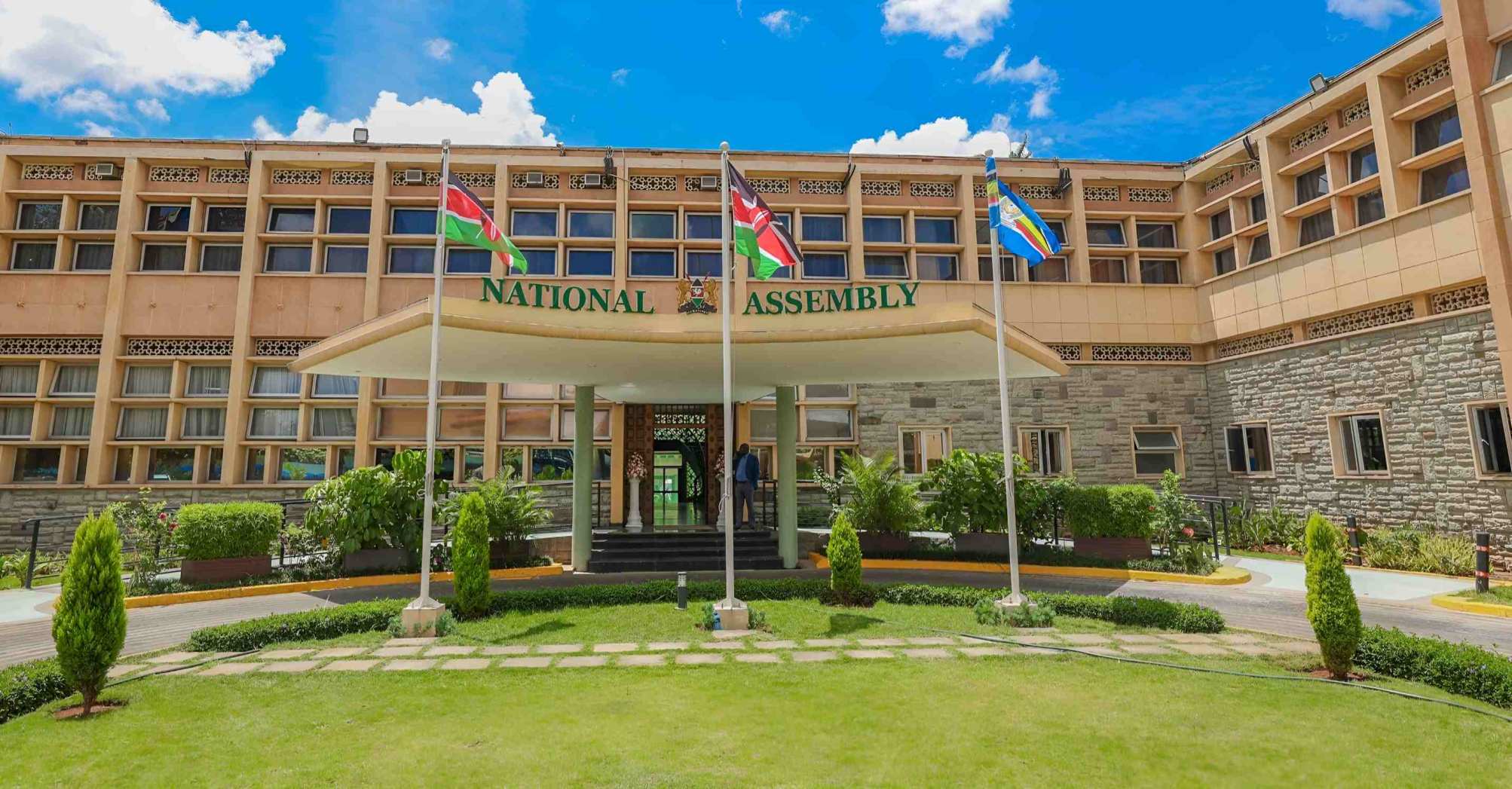
The petition has now been formally received by both the National Assembly and the Senate, where lawmakers will determine whether it meets the constitutional threshold for consideration.

Members of Parliament during the budget statement reading on June 11, 2026.
PHOTO/NATIONAL ASSEMBLY
If admitted, Parliament could consider proposals for legislative and policy reforms on diagnosis, treatment, public awareness and support for people affected by the two conditions.