
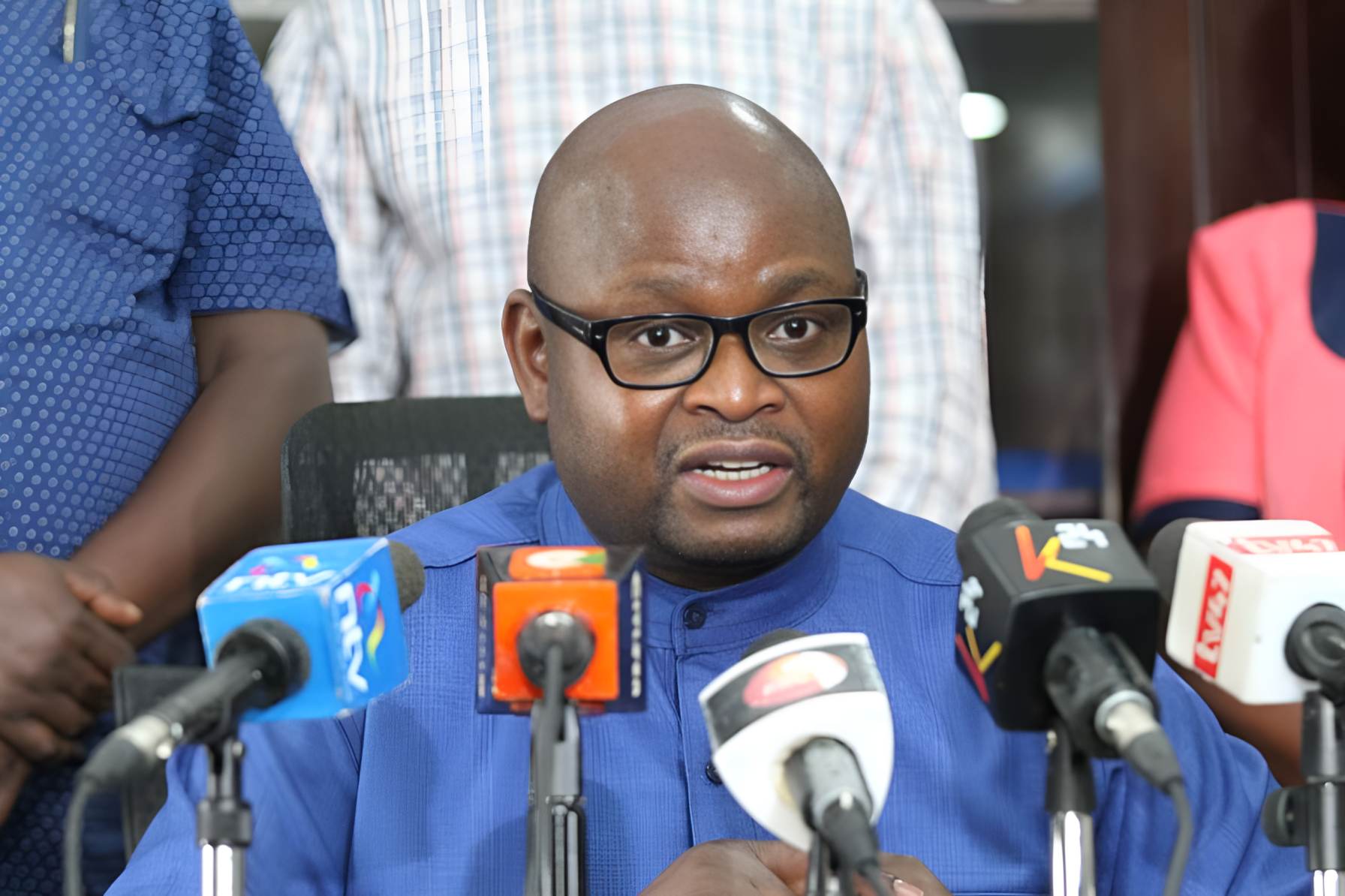
Nurses’ prolonged strike has been driven less by funding than by what union officials describe as a lack of political goodwill, with Kenya National Union of Nurses Secretary-General Seth Panyako accusing county governments of blocking the implementation of a 2017 collective bargaining agreement.
Speaking on NTV on Wednesday, Panyako said the agreement had been ready for implementation in 18 counties before the Council of Governors (CoG) moved to stop the process, leaving nurses’ grievances unresolved for years.
He said several issues that had fueled the dispute had since been addressed. Among them is the absorption of Universal Health Coverage staff into permanent and pensionable employment, which he said was largely resolved after President William Ruto committed to addressing the matter.
Panyako also said the union and CoG had reached a tentative understanding on career guidelines and were expected to establish a joint team to adapt Public Service Commission guidelines for use by county governments.
“The main elephant in the house has been the collective bargaining agreement, which emanates from the return-to-work formula of 2017,” Panyako said.
According to Panyako, 18 of the 47 counties had been prepared to implement the agreement, with Mombasa becoming the first county to begin making payments before the process was stopped through court action.
“When they started paying, SRC and COG again conspired and went to court. They obtained orders saying the payment should stop until we agree, so that everybody can pay at once,” he said.
He said subsequent negotiations had repeatedly broken down, blaming county governments for failing to show the political will needed to settle the matter.
“I think the main problem has been lack of the willingness from the county governments,” he said, arguing that the dispute was not mainly about the Salaries and Remuneration Commission (SRC).
Panyako further accused former CoG officials, without naming them, of turning the dispute into a political issue and pursuing personal interests, which he said had contributed to the failure to implement the agreement.
“It has nothing to do with lack of money. It’s just lack of goodwill,” Panyako said.
He also faulted the government for failing to give healthcare the priority it deserves, comparing the lengthy nurses’ strike with the faster handling of other disputes, including those in the aviation sector.
“We have lacked to prioritise our needs as a country,” he said.
Panyako said the continued standoff was hurting ordinary Kenyans most, particularly those who rely entirely on public hospitals for medical care.
“Once our welfare is taken care of, we will deliver services,” he said, calling on both levels of government to resolve the outstanding issues and restore healthcare services.
His remarks come as the nationwide nurses’ strike enters its 43rd day after beginning on July 29, with the prolonged dispute raising concern over the wider impact on public healthcare.
The standoff has also drawn pressure from doctors, who on Monday gave the government seven days to resolve the nurses’ grievances, warning that they could also down their tools if no solution is reached.