
The government has defended the land set aside for the proposed Sh2.2 trillion East African refinery in Lamu, saying the parcel is legally owned by the Kenya Ports Authority (KPA) despite claims by residents that their families have rights to the property.
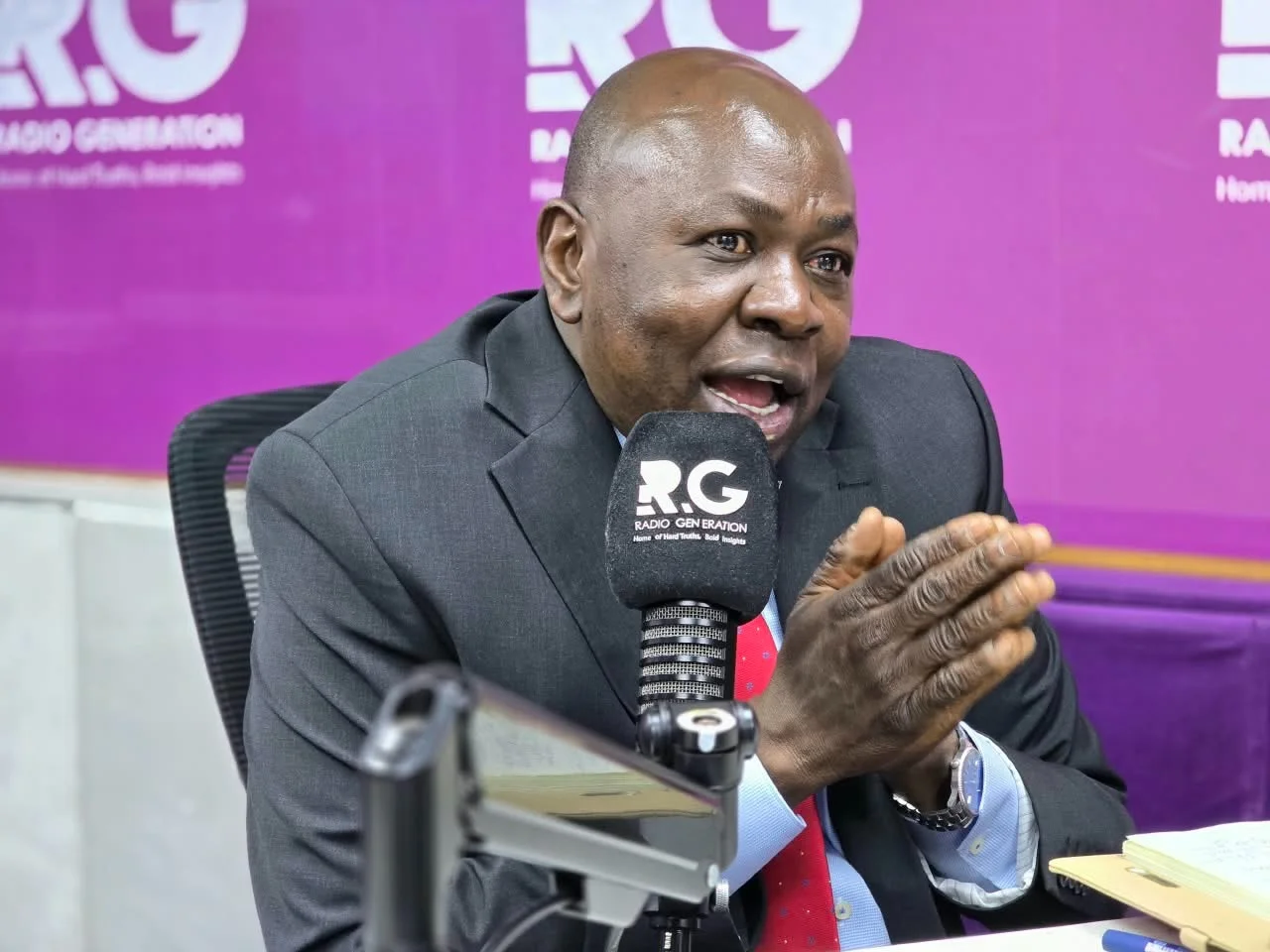
Government Spokesperson Charles Owino said the disputed land had previously been occupied by about 90 families who were compensated with Sh1.4 billion through the National Land Commission (NLC) before they left the area to pave the way for the Lamu Port-South Sudan-Ethiopia Transport (LAPSSET) project.
Speaking on Radio Generation on Tuesday, Owino said the compensation process was followed by the transfer of the land title to KPA, which he said continues to hold the main title to the property.
“After they paid, they got the title. They were paid off. They moved, and KPA got the whole of that area's title,” he said.
Owino questioned how other titles could have later emerged within land that he said was already covered by KPA's “mother title”.
“Some people came and superimposed, created other titles within the KPA land,” he said, adding that the people linked to the titles were known because the relevant documents were available.
He called for the disputed ownership documents to be investigated by the Directorate of Criminal Investigations (DCI), working together with KPA and the NLC.
“What it requires is the DCI to sit with KPA. KPA shows the transfer of the money to the land commission,” Owino said.
He said the NLC should provide details of the families who received compensation and confirm the main title held by KPA. This, he said, would help establish how the other titles came into existence.
“The government office officials were involved. The owners of the purported land must be arrested and these titles canceled in procedure,” he said.
The government spokesperson maintained that the land hosting the refinery was not part of the wider land disputes in Lamu, insisting that it was property belonging to KPA.
“The area where the East African refinery is made is within KPA land,” he said. “The facts are very clear. We're not worried about it.”
His comments come shortly after President William Ruto and Nigerian businessman Aliko Dangote broke ground for the refinery on September 30.
The proposed facility is expected to cost Sh2.2 trillion and have the capacity to process up to 700,000 barrels of crude oil per day.
However, questions over the ownership of the land have continued to surround the project.
The Malindi Environment and Land Court has ordered parties to maintain the status quo on LR No. 13061 in the Hindi/Manda Magogoni area until October 14.
The case was brought by 133 Chandavai residents, who say their families have lived on, farmed and developed the disputed land for generations. They argue that they were neither properly compensated nor resettled before the project was advanced.
While the court did not block the September 30 groundbreaking ceremony, it directed the parties to maintain the existing position on the land pending an inter partes hearing.
President Ruto has also rejected claims that residents will be displaced by the refinery, maintaining that the site is government-owned land.
“Lamu refinery, there are no wananchi that we are going to remove from that place. The land that is there is government land,” he said.
Ruto said the government had secured about 10,000 acres and was pursuing an additional 3,000 acres for the refinery, a special economic zone and other related developments.
Opposition leaders, however, have called for more information on the land and investment arrangements surrounding the project.
Nairobi Senator Edwin Sifuna has asked the Senate to seek details on the ownership and allocation of the land, how the project will be financed and the public participation process.
Sifuna said investors coming into Kenya must operate within the country's laws and respect its institutions.
“You cannot speak to us like that if you want to invest in our country,” he said.
Kiharu MP Ndindi Nyoro has also called for disclosure of the amount of land allocated to the refinery and its value, including whether the land will be counted as part of Kenya's contribution to the project.
“How much land are we ceding to the Dangote refinery? What is the value?” he asked.
Wiper leader Kalonzo Musyoka said he supports foreign investment in principle but insisted that the project should be handled openly and accountably.
“We welcome foreign direct investment. Dangote is most welcome in Kenya,” Kalonzo said.
The competing positions over the land are now expected to come under further scrutiny when the Chandavai residents' case returns to court on October 14 for hearing of their application concerning the disputed parcel.