More than 80 industrial centres established to support small businesses are yet to reach full operation, with shortages of equipment, inadequate infrastructure, electricity challenges and funding delays slowing the government’s plan to establish a network of 290 facilities across the country.
The State Department for Micro, Small and Medium Enterprises Development says the challenges facing the Constituency Industrial Development Centres (CIDCs) are holding back their ability to deliver shared production facilities and equipment to small enterprises.
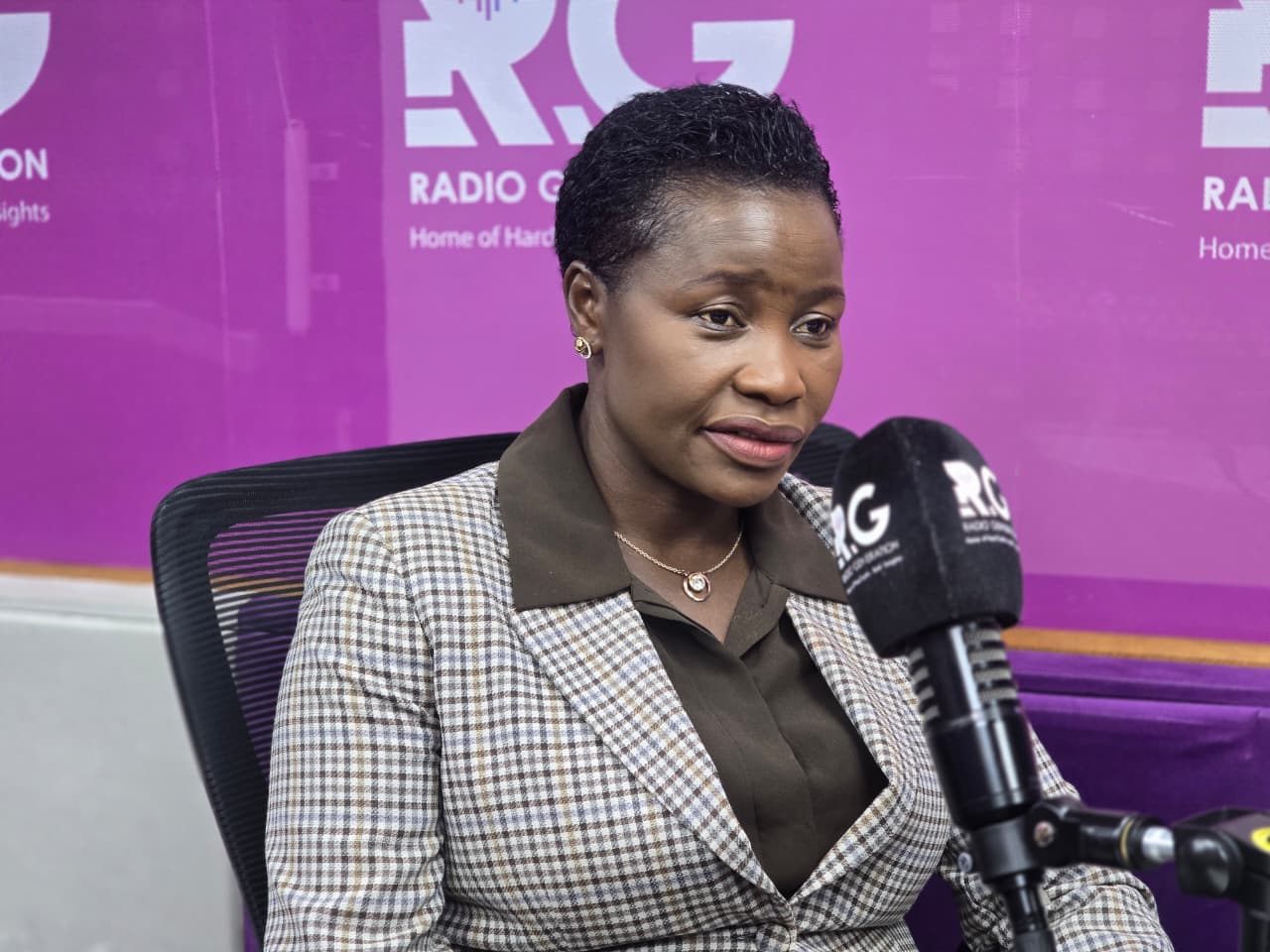
Principal Secretary Susan Mang’eni told the Trade Committee that some of the centres cannot become viable unless key infrastructure and financial gaps are addressed.
The government had developed 235 of the planned 290 centres by the end of the 2024-25 financial year, translating to about 80 per cent of the target.
Despite the progress, only 152 of the centres were fully operational at the time, with 54 operating only partly and 58 still non-operational.
The department attributed the limited operations at some of the centres to inadequate machinery, incomplete construction works and a lack of three-phase electricity.
Other facilities that have not started operating are facing difficulties ranging from lack of power connections and land disputes to vandalism and poor access to their locations.
The State Department said it intends to complete the 232 centres that have already been built by the 2027-28 financial year, while construction of the remaining 58 is expected to be completed in the 2028-29 financial year.
Mang’eni said the process of getting all 290 centres into operation will depend on sustained funding, access to suitable land and the resolution of challenges affecting individual sites.
“The operationalisation of all the 290 CIDCs is a progressive undertaking contingent upon sustained budgetary support, availability of land and the resolution of site-specific challenges,” Mang’eni told the Trade Committee.
Electricity remains one of the key issues delaying the full use of the facilities.
The department said it has paid Kenya Power Sh40.2 million to facilitate electricity connections at various CIDC sites. It has also relied on an alternative arrangement with the Directorate of Energy Renewable Energy Cooperation to extend power to additional centres.
However, financing gaps continue to affect the programme, with 57 of the 76 CIDC schemes submitted for funding still pending.
The department identified lack of funding as the main reason for the delays affecting the schemes, adding to the difficulties in making the centres fully functional.
Kenya Power managing director Joseph Siror said some of the delays in connecting the centres to electricity were linked to the late submission of wiring certificates.
“From KPLC’s perspective, it is timely submission of wiring certificates. I think there is a tendency at times that once the building is ready and everything is there, then KPLC just comes to connect,” said Siror.
He explained that the power company requires confirmation that a facility's wiring is ready before it can proceed with a connection.
“As part of the patient’s care, we can only connect when there is a wiring certificate that confirms to us that upon connection, a fault is not going to occur.”
The government is therefore working against several obstacles as it seeks to turn the completed centres into functioning facilities and meet its target of having all 290 CIDCs operational.