
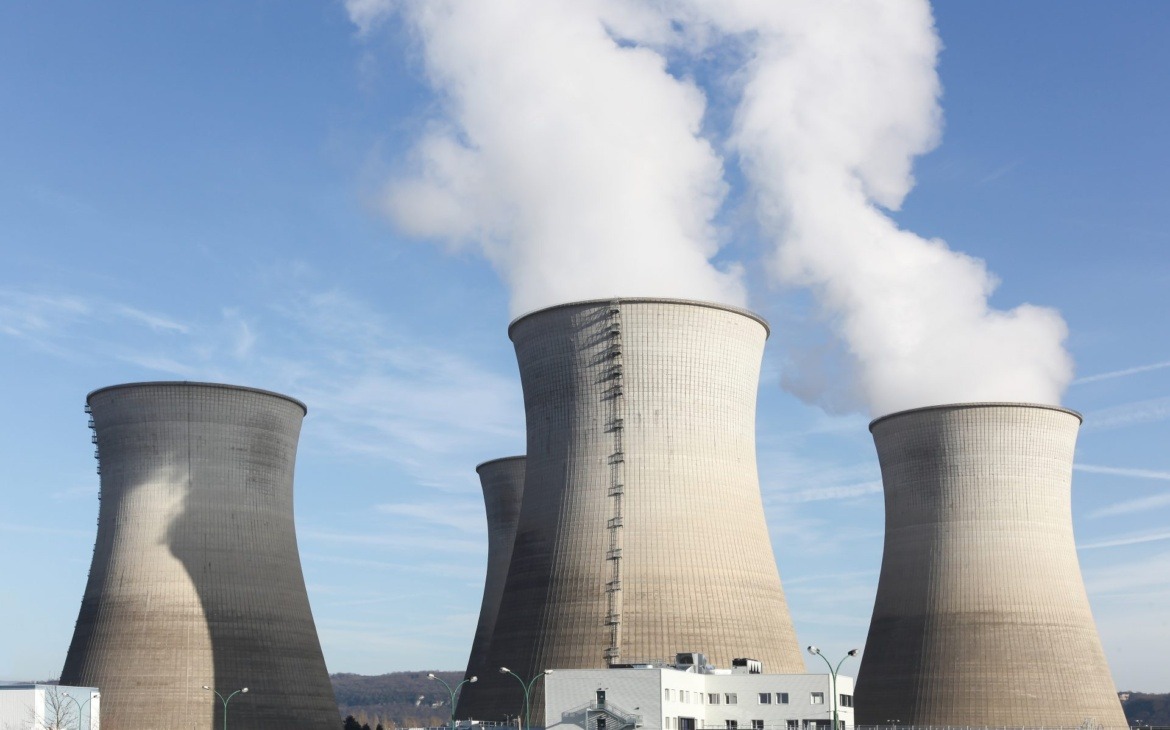
The proposed Siaya nuclear power project has come under fresh scrutiny after community groups lodged complaints with the Ombudsman over information, land, environmental protection and safety concerns.
The Commission on Administrative Justice is now handling two separate Access to Information matters linked to the project, chairman Charles Dulo said yesterday.
The complaints were raised by residents and representatives of the Friends of Siaya Anti-Nuclear Plant Interim Coordinating Committee during a meeting with the commission.
The engagement took place against the backdrop of plans for an “Occupy Kisumu Ombudsman Office” people’s march, as residents sought answers on the proposed project.
Dulo said the community had raised questions about the project’s status, scope and location, as well as what it could mean for residents and the surrounding area.
Residents also want public institutions involved in the project to release relevant information within a reasonable time.
“The concerns presented were broad, but largely centred on access to information and meaningful public participation; the potential acquisition of land, valuation, compensation, resettlement and protection of livelihoods,” Dulo said.
The concerns extend to environmental and social safeguards, with residents specifically questioning possible effects on the Lake Victoria Basin.
They also want clarity on nuclear safety, emergency preparedness and how radioactive waste would be managed.
Dulo, however, said the complaints should not be taken as proof that the issues raised had already been established by the commission.
“I wish to emphasise that these are concerns and allegations presented to the commission by the representatives and no finding has been made on their veracity,” Dulo said.
He said the commission would assess individual complaints based on the facts and evidence presented before deciding whether the matters fall within its legal and constitutional responsibilities.
“Where specific complaints are brought before us, we will examine the facts and evidence and determine whether the matters fall within our constitutional and statutory mandate.”
The two Access to Information cases are being handled separately.
One of them involves the Friends of Siaya Anti-Nuclear Plant Interim Coordinating Committee and the Nuclear Power and Energy Agency (NuPEA).
According to Dulo, the group submitted an application for review to the commission on August 24 after receiving a consolidated response from NuPEA concerning an earlier request for information on the proposed nuclear project.
The community group had requested information on several aspects of the project, including the process used to select the site, technical and feasibility studies, environmental and social assessments, land acquisition and resettlement.
It also sought details on livelihoods, nuclear safety, radioactive waste management, public participation, financing and procurement.
The commission is expected to consider the complaints and evidence presented before determining how the matters should proceed under its mandate.