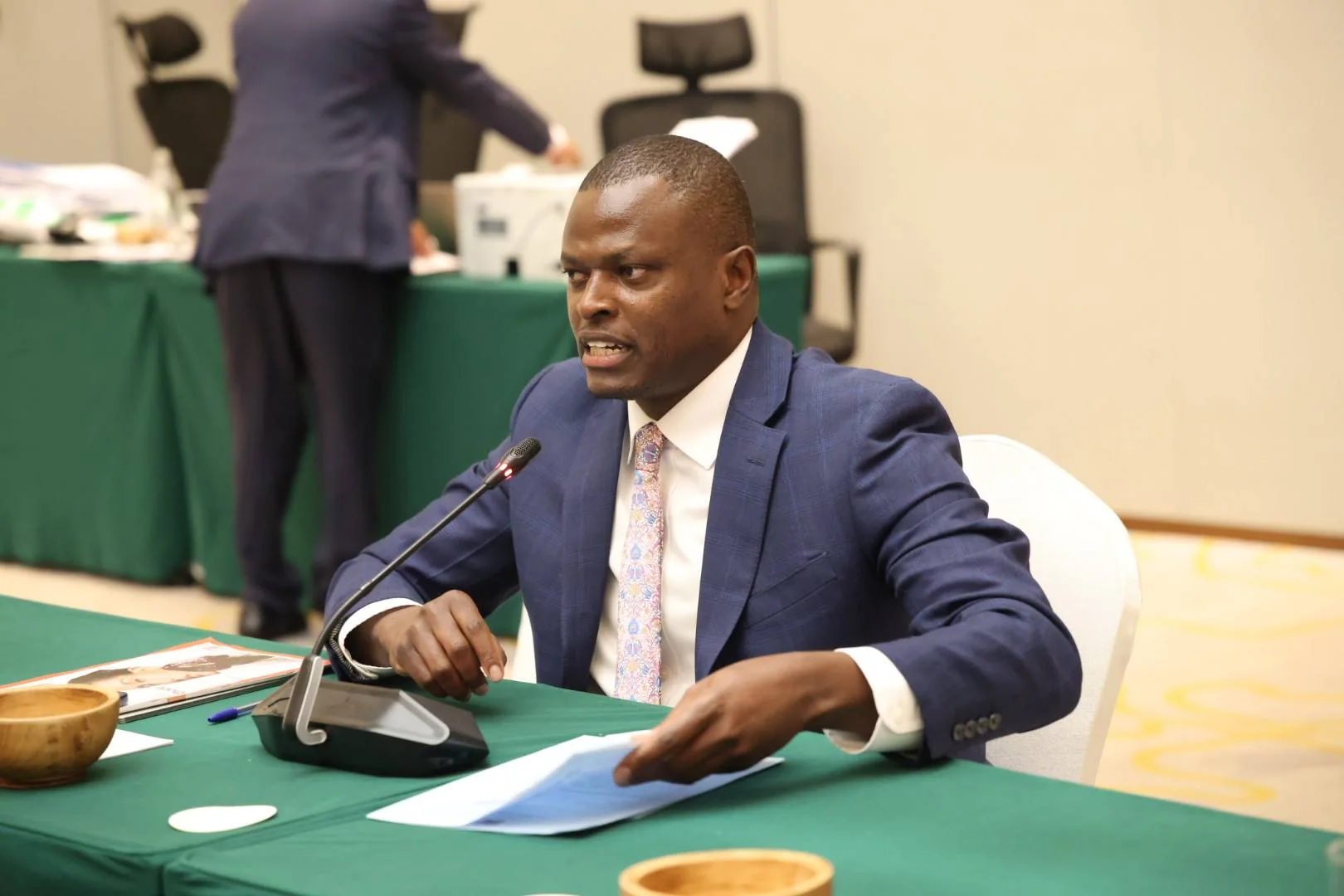
Kemosi added that Jubilee Party, which has experienced internal disputes in recent years, is now focused on rebuilding its structures and strengthening its grassroots presence.
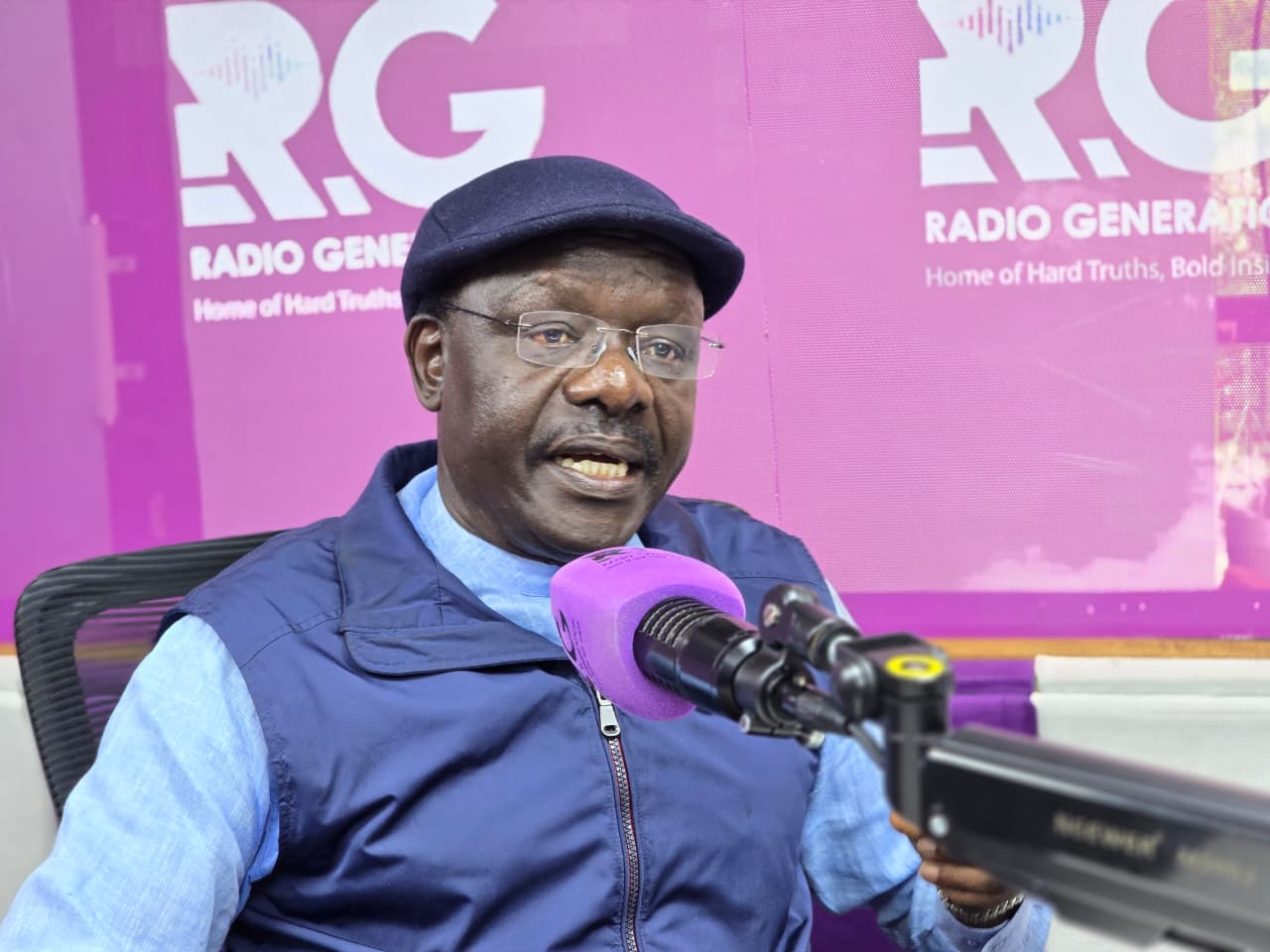
Kibicho also reflected on his early rise in public service, recalling how former President Mwai Kibaki appointed him to a senior role at a relatively young age, which he said shaped his current thinking on succession in leadership.
According to a statement issued by the humanitarian organization, its staffs have been dispatched to aid the victims and cooperate with the authorities while carrying out investigations regarding the cause of the fire.
Kituyi warned that constant political fights with the Head of State risk damaging the Opposition’s image and weakening public trust at a time when Kenyans are looking for leadership and solutions.
Apart from cutting travel expenditure, Nyoro proposed the removal of the 8 per cent VAT charged on fuel and called for a reduction of at least Sh7 from the Road Maintenance Levy Fund.
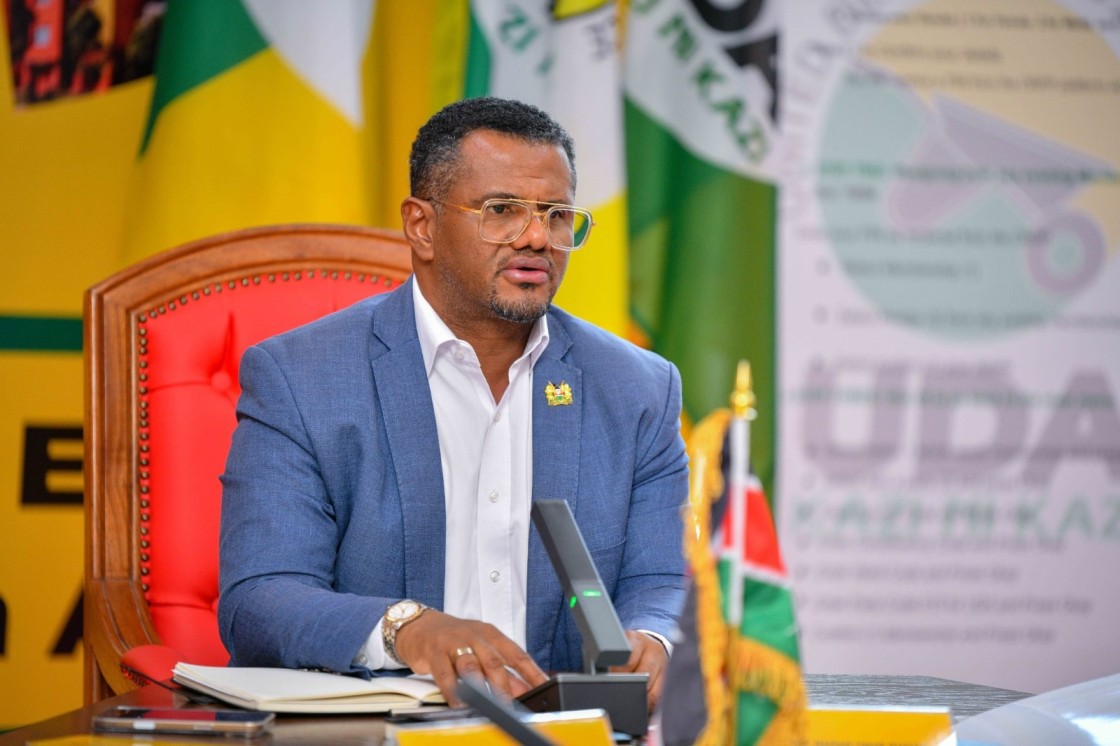
“The inflammatory remarks made by Omar in Mombasa were targeted, vilifying and scapegoated the Kikuyu community under the guise of addressing historical land injustices, thus making them dangerous, reckless and explicitly designed to incite ethnic animosity.”
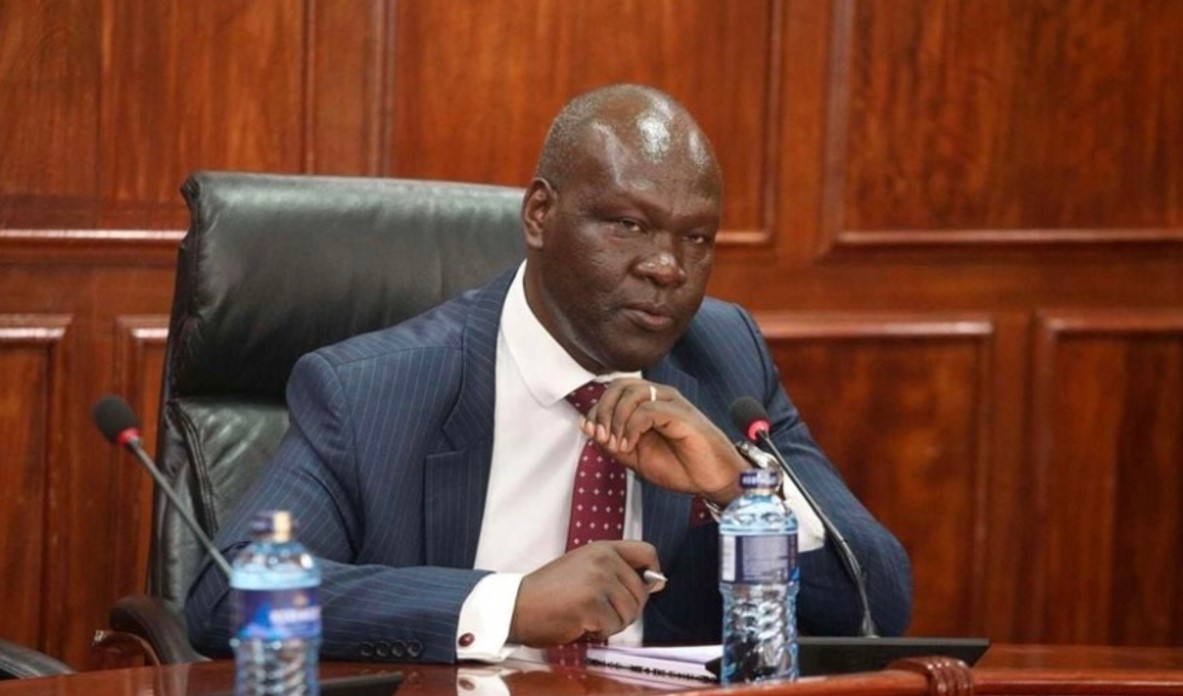
SRC chairperson Sammy Chepkwony said attempts to control the wage bill through legal limits and fiscal measures have not delivered the expected results over the years.
Presentations at the conference showed that Brazil has replaced more than four billion barrels of gasoline with ethanol, with ethanol-based fuel remaining cheaper than conventional petrol. Deputy President Kithure Kindiki, who also attended the seminar, said the government will review the Sugar Act and related regulations to formally support ethanol production within Kenya’s legal and economic framework. He added that the government will work with the Energy and Petroleum Regulatory Authority to develop fuel blending regulations. Kagwe defended ongoing reforms under the Sugar Act 2024, saying leasing state-owned sugar factories to private investors has already improved efficiency and increased farmer earnings. “We have discovered that the private sector is a much stronger player, a much more efficient player in the sugar sector than the government sector,” he said. He added that the government has already seen “immediate benefits” within the last year after some public mills were leased to private operators. At the same time, Kagwe stressed that farmers remain central to the reforms, noting that more than six million Kenyans directly or indirectly depend on the sugar industry for their livelihoods. “The farmer is the most important person in the sugar sector, and I say this without any fear of contradiction,” Kagwe said. The government says expanding ethanol production will help reduce Kenya’s dependence on imported fuel, strengthen energy security and create more stable income opportunities for farmers amid volatile global oil prices.
Governance expert and Meru Woman Rep aspirant Felicity Nkirote Biriri says voters feel let down as leadership fails to prioritise security and agriculture. She also points to underfunding in the warehouse receipt system council.
Despite the disruption, KeNHA emphasized that safety and regulation of road use must continue, noting that the temporary arrangements are meant to avoid congestion and disruptions in supply chains that depend heavily on heavy commercial transport
CS Mbadi said the Bill does not seek to impose taxes on traditional financial services such as deposits, withdrawals or foreign exchange transactions. Instead, it seeks to address the tax treatment of technology-driven digital intermediaries and payment platforms that currently operate in areas not fully covered by existing tax laws.