
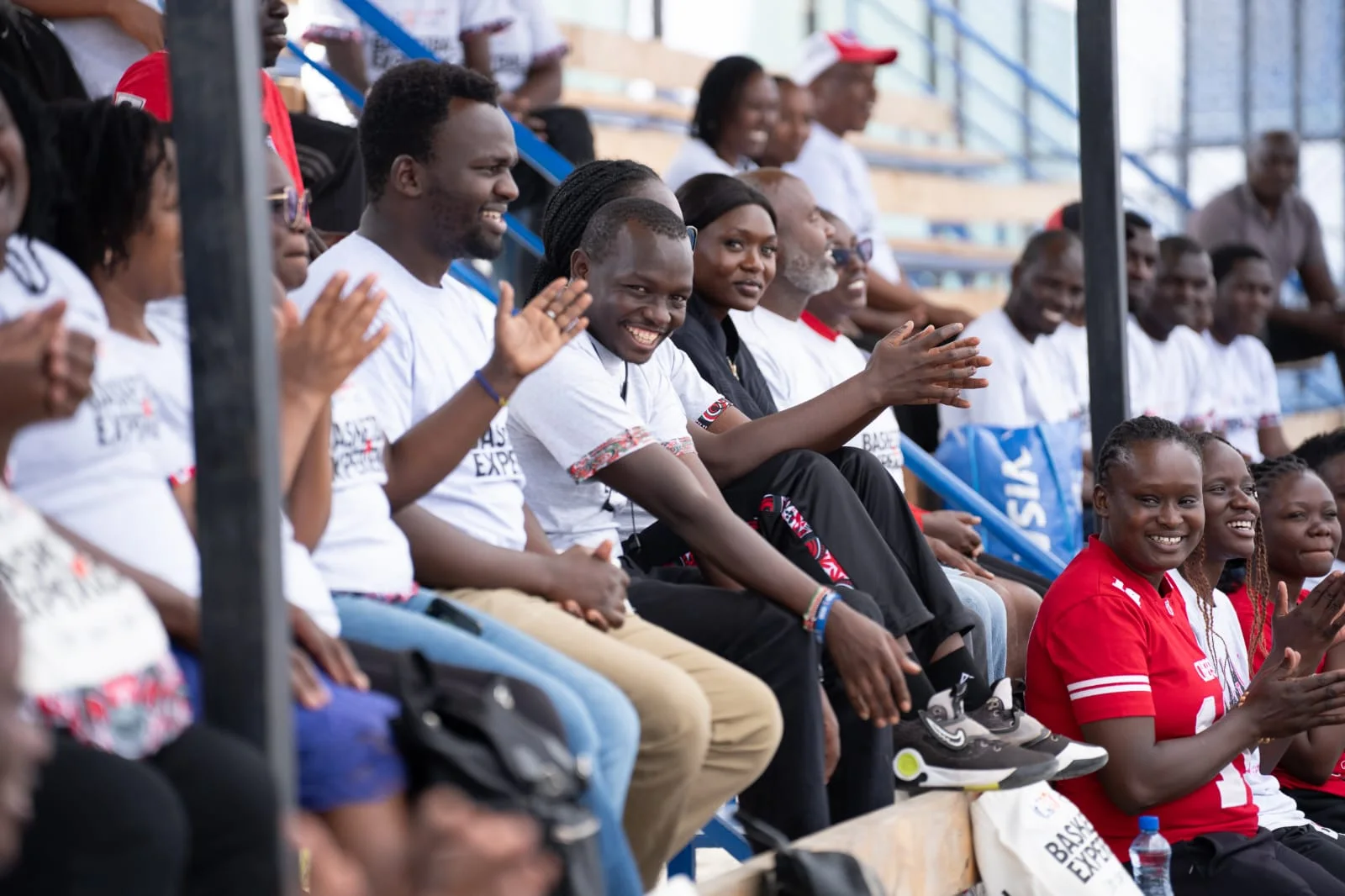
Agence Française de Développement (AFD) Group and NBA Africa have trained 100 Kenyan physical education teachers and educators in disability-inclusive basketball coaching, in an initiative aimed at expanding access to sport for children with disabilities and strengthening grassroots talent development.
The training took place at Fam Sports Arena Basketball Court in Kitengela during the Basketball Experience Disability Inclusion (BE-DI) Teachers’ Awareness Day on October 17, 2026. It brought together educators for practical sessions on accessible coaching, youth development and life skills.
The initiative forms part of the broader Basketball Experience programme, a partnership between AFD and NBA Africa that uses basketball to promote education, life skills and inclusive opportunities for young people in schools and communities.
Participants were introduced to the Jr. NBA curriculum through classroom instruction and on-court activities designed to strengthen their ability to teach basketball fundamentals while adopting safe, age-appropriate and inclusive coaching practices.
A key focus was equipping teachers with techniques to accommodate children with different abilities and learning needs, helping to remove barriers that may prevent some learners from participating in organised sport.
Kimani Peter, a coach with the Disability Inclusion Basketball Experience programme, said the training was intended to transfer coaching knowledge to teachers so they could sustain the programme after visiting coaches reduced their school visits.
“The whole idea today is, since we might not be visiting the school as often as we used to, now is to pass on the knowledge, hand over the programme to the teachers because it's still a small baby. We are trying to build it up slowly, so the teachers must be empowered to have the skills and knowledge how to keep coaching again,” he said.
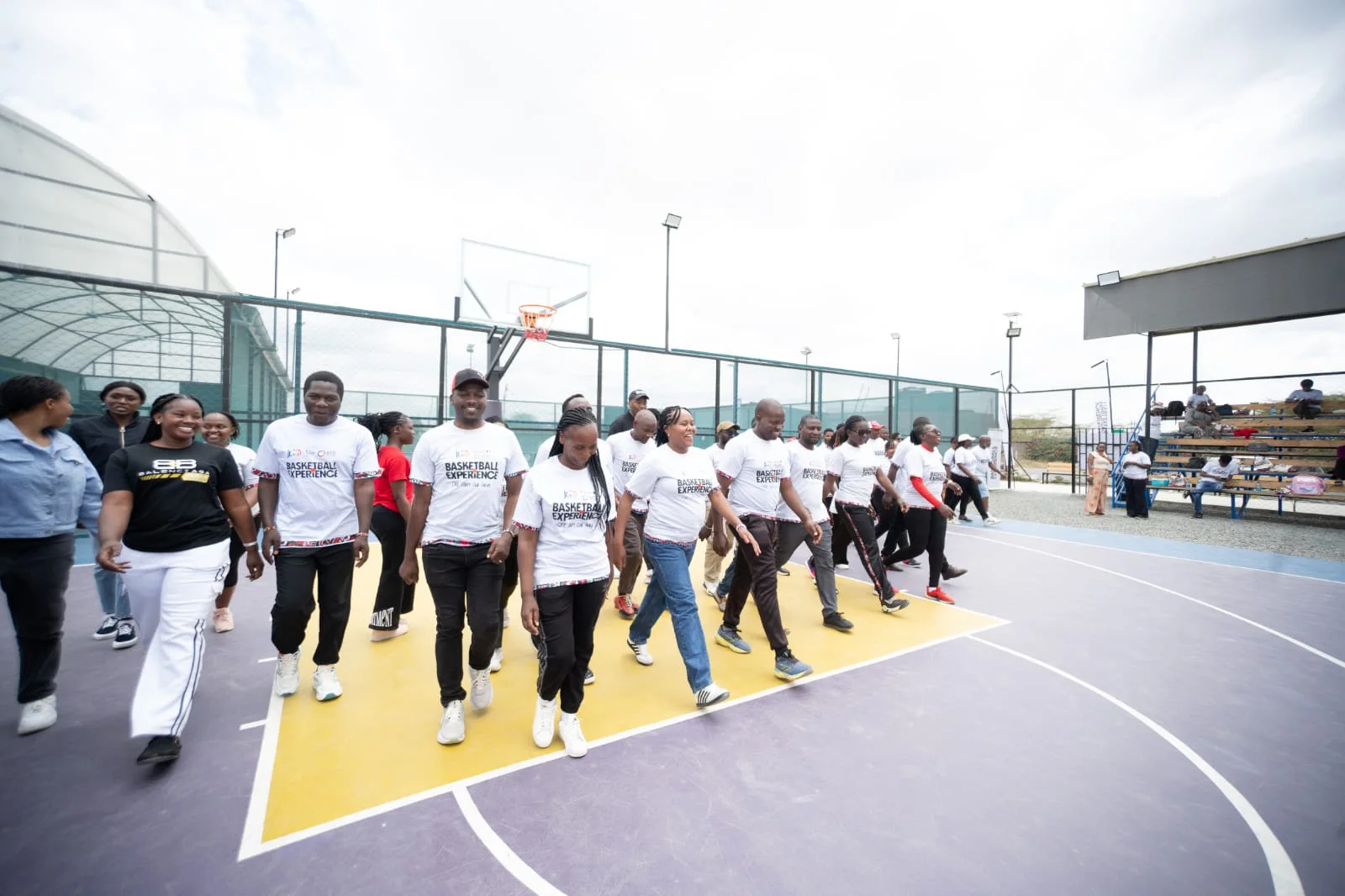
Peter said empowering teachers was central to ensuring that basketball activities continued in participating schools and that learners continued benefiting from the programme.
The approach places educators at the centre of the initiative's long-term sustainability, enabling them to integrate inclusive basketball into school activities rather than depend entirely on external coaches.
The awareness day introduced educators to adaptive coaching techniques, accessible activities and inclusive curriculum design intended to accommodate children with varying physical abilities and learning needs.
The organisers said the approach sought to create environments where children could learn, play and develop together, regardless of their abilities.
The programme also emphasised the importance of incorporating inclusion into everyday sporting activities, allowing children with disabilities to participate meaningfully alongside their peers.
Lavender Achieng, a coach with the Basketball Experience programme, said she intended to continue supporting learners and return to her school in Kilimani in January.
She said working with learners had strengthened her commitment to community engagement and youth development through sport.
“We'll still be going to the school because we understood the value that we got to the learners, and this opportunity itself is ongoing itself. Come back in January, I plan to go to my school back in Kilimani. I really miss my learners so much, and I just can't wait to give back to the community,” she stated.
Achieng's remarks highlighted the importance of maintaining relationships with learners and ensuring that school-based basketball activities continue beyond individual training sessions.
The initiative also incorporates life skills training delivered in collaboration with the Kenya Red Cross. The sessions emphasise how sport can help young people develop teamwork, resilience, leadership, health awareness and social responsibility alongside physical skills.
By combining basketball instruction with personal development, the programme seeks to extend the benefits of sport beyond competition and athletic performance.
Kita Matungulu, director of operations at NBA Africa, said the programme was part of wider efforts to develop coaches, expand opportunities for young people and strengthen basketball infrastructure in Kenya.
He highlighted the importance of collaboration with stakeholders, including the Ministry of Sports and basketball federations, in supporting the programme's growth.
“We have seen tremendous growth for young people and the involvement of second-level basketball infrastructure right now,” he said, pointing to the importance of continued partnerships in advancing youth development.
Matungulu also highlighted the potential for Kenyan players to compete at international levels, referring to the example of a player reaching the Women's National Basketball Association (WNBA).
He said Kenya's ambitions should include developing sporting talent and investing in infrastructure alongside economic growth.
“We want to see Kenya being the greatest or the largest economy in East Africa. We want to see infrastructure here that is the biggest. Kenya not only preserve a greater economy in East Africa, but also talent,” he said.
The BE-DI programme seeks to build local coaching capacity while promoting equal opportunities for children with disabilities to participate in sport.
Through teacher training, adaptive coaching and life skills education, AFD and NBA Africa aim to help schools create more inclusive sporting environments and strengthen pathways for young people to develop their abilities.