
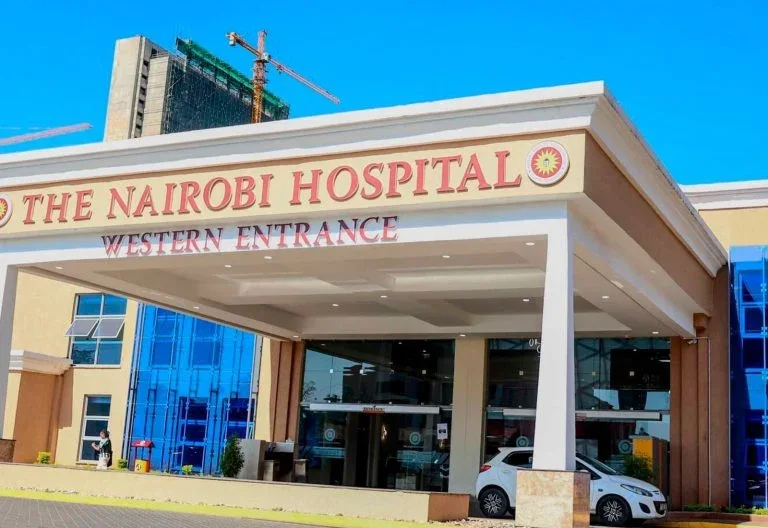
The Nairobi Hospital has urged staff not to panic or automatically consider themselves Ebola contacts following confirmation of the country’s first imported Ebola Virus Disease case.
In a memorandum issued on October 6, the hospital said it had activated enhanced infection prevention and control measures after the disease was suspected and later confirmed in a patient treated at the facility.
The hospital said being present at the facility or working in the same department as the patient does not, on its own, amount to exposure to Ebola.
“Simply being at the Hospital, working in the same department, or being in the general vicinity of the patient does not automatically constitute exposure,” the hospital said.
The facility said exposure risk would instead depend on the nature of an individual’s interaction with the patient, procedures performed and whether appropriate personal protective equipment was used.
The hospital has begun identifying and documenting healthcare workers and other individuals who had direct interactions with the patient. It is also conducting detailed contact tracing and exposure risk assessments in collaboration with the Ministry of Health.
Staff found to have had relevant contact will be individually contacted, risk-assessed and monitored in line with Ministry of Health protocols.
The hospital said employees who believe they had unprotected contact with the patient’s blood or other body fluids, experienced a breach of personal protective equipment or suffered a sharps injury should immediately report to the Infection Prevention and Control or Occupational Health teams.
The facility has also cautioned staff against self-identifying as contacts or beginning unnecessary isolation before undergoing an assessment by designated health teams.
The move is aimed at ensuring that the hospital’s response is guided by established risk assessment procedures rather than fear following confirmation of the case.
The hospital said Ebola is primarily transmitted through direct contact with blood or other body fluids of an infected symptomatic person or contaminated materials.
It has therefore reinforced standard infection prevention measures across the facility, including hand hygiene, appropriate use of personal protective equipment, safe handling of blood and body fluids, injection and sharps safety, environmental disinfection and proper management of waste and linen.
The hospital has also intensified environmental cleaning and decontamination of affected clinical areas and equipment, while introducing controlled handling and disposal of potentially contaminated waste and linen.
Staff have been instructed to immediately report any PPE breach, splash, sharps injury or unprotected exposure to blood or other body fluids.
The hospital said staff assessed as having no significant exposure can continue with their normal duties while observing infection prevention measures.
Frontline clinical teams have also been directed to strengthen screening and early recognition of suspected cases, particularly among patients presenting with fever or unexplained systemic illness.
Patients with compatible symptoms and an epidemiological risk factor should be isolated immediately instead of being allowed to move routinely through the hospital.
The hospital said its Infection Prevention and Control, Occupational Health and emergency response structures had been activated following confirmation of the case.
“Our objective is clear: to identify every potentially significant exposure, interrupt any possible chain of transmission and protect our staff, patients, families and the wider community,” the hospital said.
The facility has also warned employees against sharing patient photographs, laboratory reports, clinical records or identifiable information on WhatsApp, social media and other unofficial platforms.
It said all official information concerning the case, staff exposure and the hospital’s response would be communicated through authorised hospital and Ministry of Health channels.
The hospital said it would continue working with the Ministry of Health and other relevant agencies as it monitors the situation and issues further updates based on verified information.