
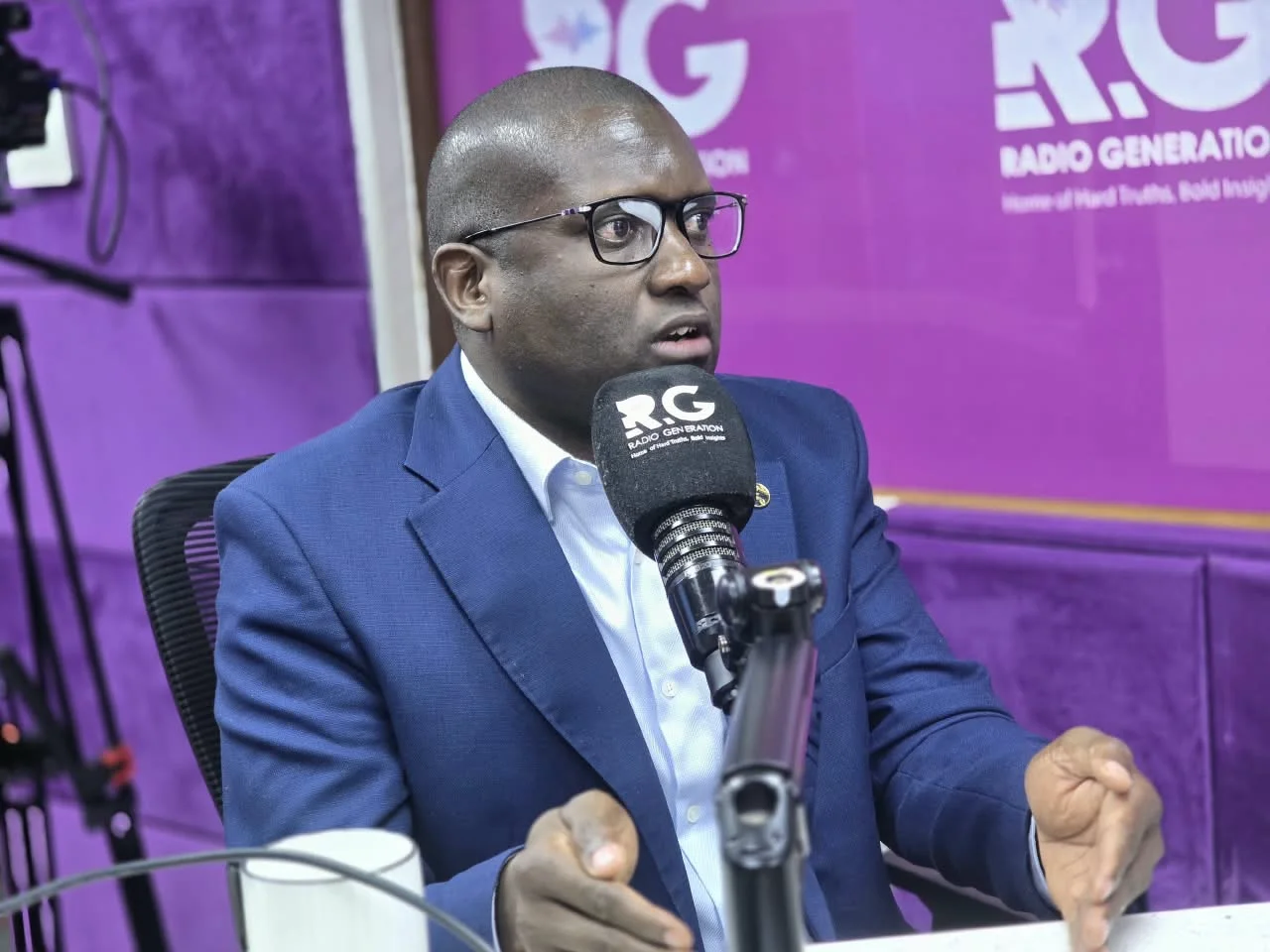
Nairobi gubernatorial aspirant Cyprian Nyamwamu has pledged to dismantle what he describes as eight cartels allegedly undermining governance and service delivery in the capital if elected in 2027.
Speaking on Radio Generation on Monday, October 12, 2026, Nyamwamu, the spokesperson for Kenya Bora Tuitakayo, said Nairobi’s challenges were rooted in governance failures rather than a shortage of resources or technical capacity.
“Nairobi’s problem is a governance problem only, because Nairobi has the resources, has the technical abilities. It has lacked governance, leadership, and governance that will deliver for Nairobi, and we have said that that problem comes from what we’ve researched and published called the eight cartels,” he said.
Nyamwamu said he researched and published material about the alleged cartels on Facebook in December 2025, arguing that removing their influence would be central to improving the county’s financial management.
“As governor, the first thing that you have to do for Nairobi is to actually break the back of impunity. You have to get the eight cartels out of the road.”
The claims come amid documented challenges in Nairobi’s revenue collection and expenditure management, although official financial reports alone do not establish the existence of the networks described by the aspirant.
According to a report published on September 28, 2026, the Controller of Budget’s review found that Nairobi collected Sh15.54 billion in own-source revenue during the 2025/26 financial year, a 14.9% increase from Sh13.53 billion in the previous financial year. The collection nevertheless represented only 72% of the annual target.
The report said the county’s revenue arrears declined from Sh62.77 billion at the beginning of the financial year to Sh59.09 billion by June 30, 2026. Land rates accounted for Sh51.34 billion, or 87%, of the outstanding arrears.
The Controller of Budget also reported that Nairobi spent Sh3.82 billion on development programmes in 2025/26, equivalent to 28.5% of its approved development budget. Recurrent expenditure reached Sh29.28 billion, highlighting the challenge of converting available resources into development projects.
The Auditor-General’s report on Nairobi’s revenue for the year ended June 30, 2024 recorded approximately Sh12.81 billion against a target of nearly Sh19.99 billion, representing about 64% of the target. Major revenue streams included land rates, parking fees, business permits and building-plan approvals.
Nyamwamu alleged that individuals benefiting from political patronage were diverting county revenue. He argued that stronger accountability and improved collection would expand funding for healthcare, sanitation, waste management, infrastructure, education, housing, water access and security.
https://x.com/RadioGenKe/status/2109534801363697866?s=20
He cited Sh13.6 billion as the county’s approximate own-source revenue and argued that Nairobi could potentially raise Sh44 billion.
The aspirant maintained that his wider development agenda would include a “Youth Marshall Plan”, placing young people at the centre of job creation and service delivery. He argued that unemployment and insecurity were connected and that county programmes should address economic hardship alongside public safety.
He also said the selection of qualified county officials would be essential to implementing his proposals.
“The first thing a leader does once you have been given the mandate, the first criteria to judge your seriousness is the people you select, the people you employ,” he said.
Nyamwamu proposed working with private-sector organisations, civil society and international development partners. He cited Makueni County’s arrangements for financing development projects as a possible model for strengthening accountability and value for money.