
More than 860,000 people displaced by months of fighting in Lebanon have returned to their areas of origin, but many are still unable to rebuild their lives as damaged homes, destroyed infrastructure, insecurity and limited access to basic services continue to disrupt communities.
The United Nations Refugee Agency (UNHCR) said about 360,000 people remain displaced across the country, including at least 22,000 living in collective shelters. Others are staying with relatives or in overcrowded rented homes as they wait for safer conditions and the restoration of essential services.
The latest figures come despite declared ceasefire arrangements, with renewed Israeli airstrikes in southern Lebanon over the weekend forcing hundreds of families to flee north. The fresh movement has added to uncertainty among communities that had begun returning home after months of displacement.
At the height of the conflict, more than one million people were displaced within Lebanon. Although the level of fighting has fallen, UNHCR said the security situation remains fragile, with airstrikes, military activity, movement restrictions and explosive remnants of war still posing risks to communities.
Many of those who have returned have found their homes damaged or destroyed, while key infrastructure needed for daily life has also been badly affected.
Health facilities, schools, water systems, electricity networks, agricultural land and other community facilities have suffered extensive damage, making it difficult for families to settle back and resume normal life.
In parts of southern Lebanon, more than 700,000 people are affected by damage to water infrastructure, adding another challenge for communities trying to restore basic living conditions.
UNHCR said some families remain effectively displaced even after returning to their areas of origin because they cannot safely access their homes or fully use the services available in their communities.
“For many households, return means relocating as close as possible to their towns and villages and remaining displaced there, rather than finding a lasting solution. Families continue to rely on rented accommodation, hosting arrangements, and temporary or collective shelters while awaiting debris clearance, home repairs, restoration of services, and improved security conditions.”
Some families are making repeated trips to their communities to check whether conditions are safe enough for a permanent return. Others continue moving between places where they are staying and their areas of origin as they assess when it will be possible to settle permanently.
The start of the new school year is adding further pressure on displaced families. Many collective shelters are housed in public schools and are now being consolidated ahead of schools reopening, leaving municipalities in affected areas searching for temporary accommodation for people who still have nowhere safe to go.
The Lebanese government has developed a National Framework for Return, Early Recovery and the Restoration of Essential Services to guide efforts to help affected communities recover.
The framework includes plans to remove unexploded ordnance and debris, repair damaged infrastructure, rehabilitate homes and support reconstruction in areas affected by the conflict.
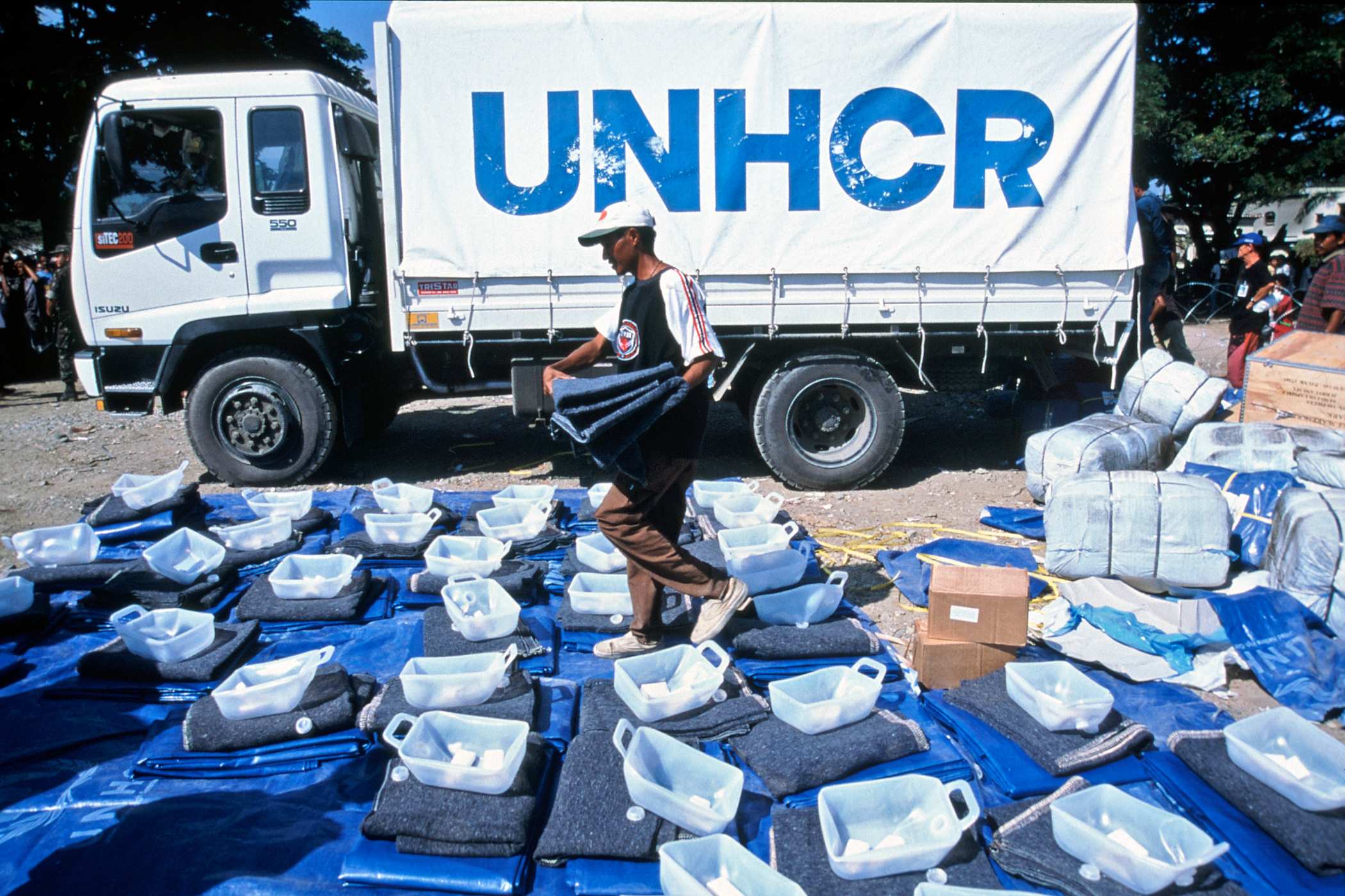
Humanitarian agencies, including UNHCR, are continuing to assist displaced people and returnees through shelter support, financial assistance, protection services, psychosocial counselling and case management.
However, the response is being affected by major funding shortages, limiting the ability of humanitarian organisations to meet the needs of affected communities.
The revised Lebanon inter-agency Flash Appeal is seeking Sh82.55 billion but is only 48% funded. Of the amount sought, about Sh12.15 billion is allocated to UNHCR relief operations.
UNHCR’s wider Lebanon operation is also facing a major funding gap. The agency said it is only 24% funded against its Sh60.93 billion requirement for 2026.
The funding shortfall comes as thousands of families continue to face damaged homes, disrupted livelihoods and limited access to essential services, while others remain in temporary accommodation despite having returned to their areas of origin.
UNHCR warned that without continued humanitarian assistance, early recovery support, debris clearance, reconstruction and improved security, displaced families and returnees will continue to face major difficulties in rebuilding their homes, restoring their livelihoods and achieving lasting recovery.