
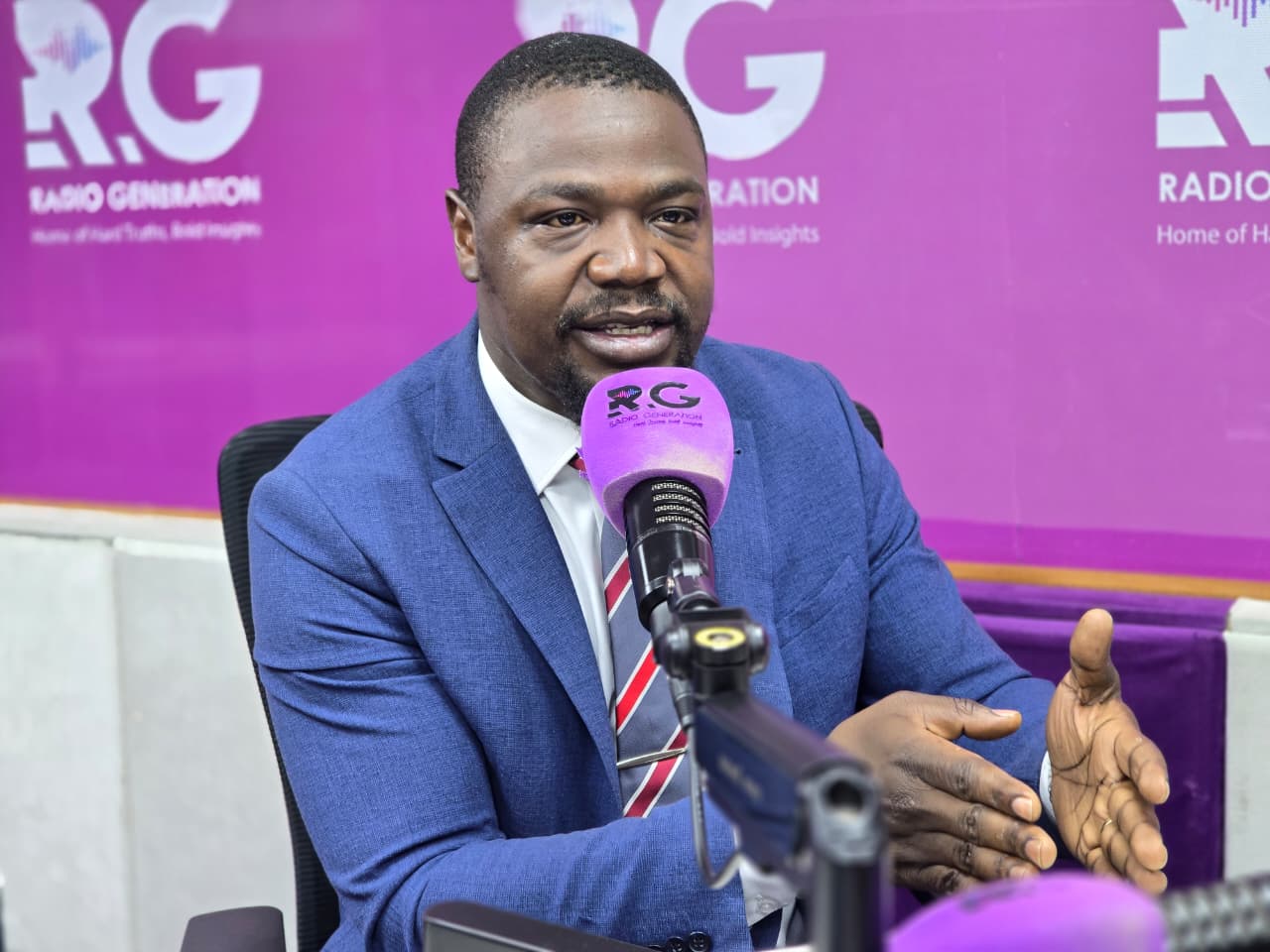
The Kenya Medical Practitioners, Pharmacists and Dentists Union (KMPDU) has given the government seven days to resolve the nurses’ strike, warning that doctors could also down their tools if the dispute continues.
Addressing journalists on Monday, KMPDU Secretary-General Dr Devji Atella said the more than 40-day industrial action had severely disrupted services in public hospitals, leaving doctors under increasing pressure and patients exposed to preventable complications and deaths.
“There is no better way to say that than saying that every patient who goes to the hospital and needs nursing care cannot get it. And nursing care is key for any health service to be functional,” Dr Atella said.
He said doctors could not be expected to fill the gap created by the absence of nurses, particularly in a health system already facing a shortage of medical professionals.
“It is increasingly becoming unsafe when doctors that we know have a lot of shortage in the country are overburdened. Doctors cannot do the nursing jobs,” he said.
According to Dr Atella, public hospitals were operating at bare-minimum capacity, with maternity and paediatric services among those facing serious disruption.
“There are many deaths, both in pediatrics and maternal, for mothers that otherwise would be prevented if you have functional hospitals,” he said.
He warned that the situation should not become normalised, saying inadequate nursing care was contributing to complications that could otherwise be treated.
“There are many preventable complications that we cannot normalize amidst this particular industrial action,” he said.
The union has accused the government of failing to act on longstanding grievances raised by health workers, including commitments contained in the 2017 return-to-work formula.
“The agreements that are signed, that are deposited in court, are court orders and need to be implemented,” Dr Atella said.
The strike, which began on July 29, has affected public hospitals across Kenya. Nurses are demanding implementation of their Collective Bargaining Agreement, improved pay and allowances, promotions, adequate staffing and better working conditions.
Health professionals have reported deaths during the disruption, including 79 deaths between August 31 and September 2: eight maternal, 16 neonatal and 55 perinatal deaths. The Kenya National Commission on Human Rights said it had received the report but called for independent verification before the deaths could be directly linked to the strike.
In Nakuru, at least 11 patients reportedly died at Nakuru Level Five Hospital within 24 hours, including three neonates, five adults and three children.
Dr Atella also said KMPDU was awaiting a promised adjustment to doctors’ payslips, which was expected in August but had not been implemented. He said the union hoped the matter would be resolved in September.