
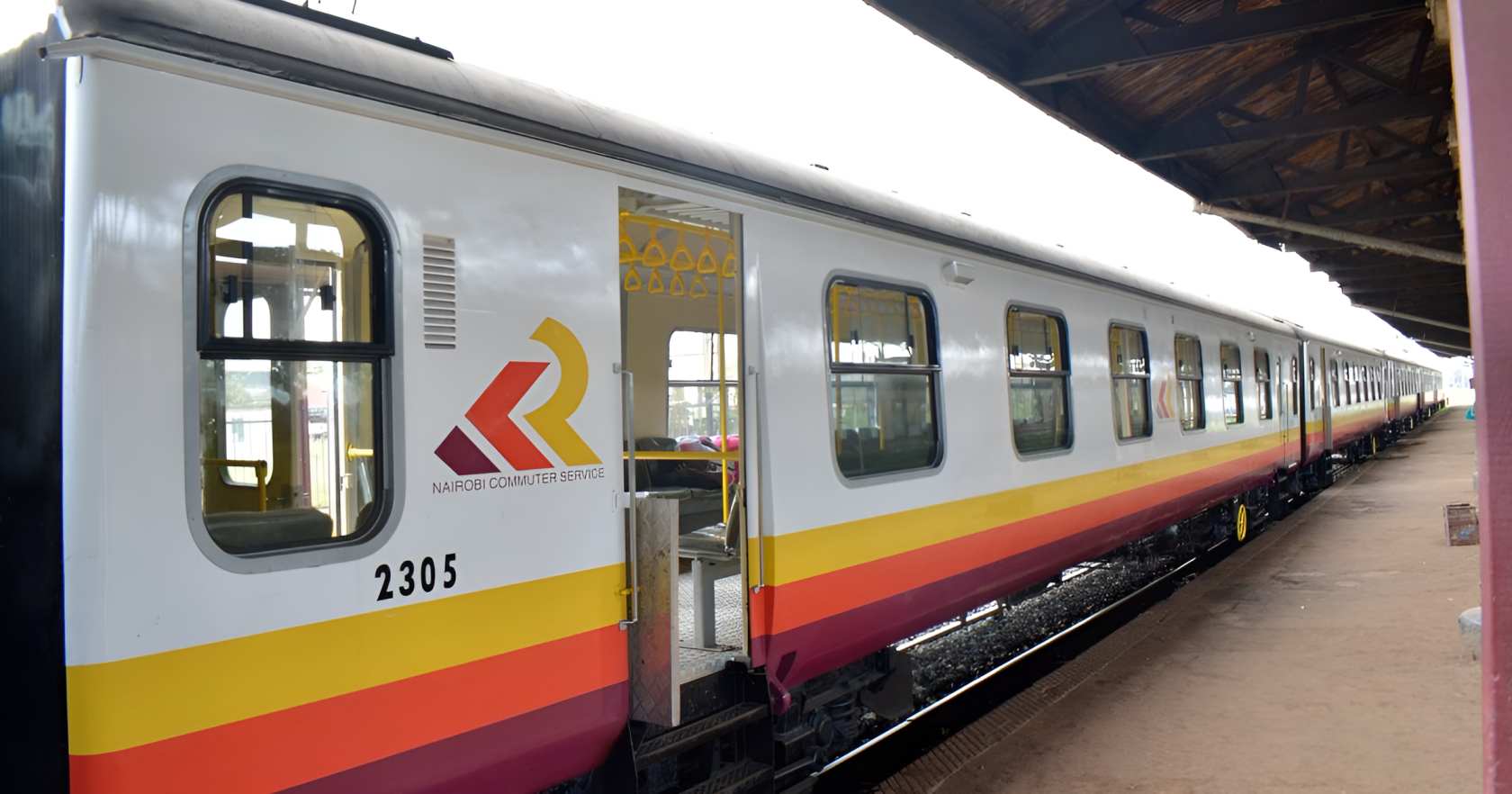
Traders are set to get a major reduction in the cost of moving their imported goods after Kenya Railways lowered the charge for transporting cargo from the Inland Container Depot (ICD) to the Boma Line de-consolidation centre from Sh58,000 to Sh10,000.
The new rate, which takes effect immediately, was announced after President William Ruto met Micro, Small and Medium Enterprises (MSME) traders on Wednesday, September 2, 2026.
The reduction is part of a wider set of measures agreed upon by the government following discussions with traders and stakeholders in the consolidated cargo sector.
The new arrangement means traders will now save Sh48,000 on every cargo movement between the ICD and the Boma Line de-consolidation centre.
The government said the move is aimed at easing the cost of transporting and clearing imported goods, especially for traders who use consolidated cargo services.
The reduction comes as the government works on changes in the consolidated cargo sector, including the use of designated de-consolidation centres in Nairobi and Mombasa.
These centres are expected to provide a more organised way of separating consolidated shipments for individual traders while improving the handling and clearance of goods.
The government said the arrangement will also help cut some of the logistical and administrative expenses linked to the movement of consolidated imports.
Alongside the cut in the Kenya Railways charge, the government has introduced fresh requirements for companies and businesses involved in cargo consolidation.
All cargo consolidators will be required to go through a new registration and vetting process by the Kenya Revenue Authority (KRA).
As part of the exercise, the consolidators will have to provide detailed information on the individual traders and importers whose goods they combine and handle.
“That all cargo consolidators would be vetted and registered afresh by the KRA and will be required to submit a comprehensive list of the individual traders and importers whose goods they consolidate. The deadline for the completion of registration and vetting and submission of required trader disclosures shall be 15th October 2026,” the communique read in part.
The deadline for completing the fresh vetting and registration process, together with the submission of the required trader details, is October 15, 2026.
The government said the new requirements are part of measures to improve accountability and transparency in the consolidated cargo business while also responding to concerns raised by traders over the cost of doing business.
The immediate reduction in the rail transport charge is among the measures being used to address the expenses traders incur when their goods arrive in the country and have to be moved through the clearance process.
Under the previous arrangement, traders were charged Sh58,000 to move cargo from the ICD to the Boma Line de-consolidation centre. That amount has now been reduced to Sh10,000.
The change gives traders a Sh48,000 saving on the movement of their cargo and is expected to reduce one of the costs involved in the de-consolidation process.
The government said the designated centres in Nairobi and Mombasa will play a role in making it easier to separate consolidated shipments and handle goods destined for different individual traders.
The measures announced after the meeting also cover wider changes in how the consolidated cargo sector is managed, with the fresh KRA registration expected to provide information on the traders and importers served by each consolidator.
The government has further announced plans to expand existing legislation to reserve retail trade and specified lower-level jobs for Kenyans, while clearly defining areas where foreign participation will be permitted.