
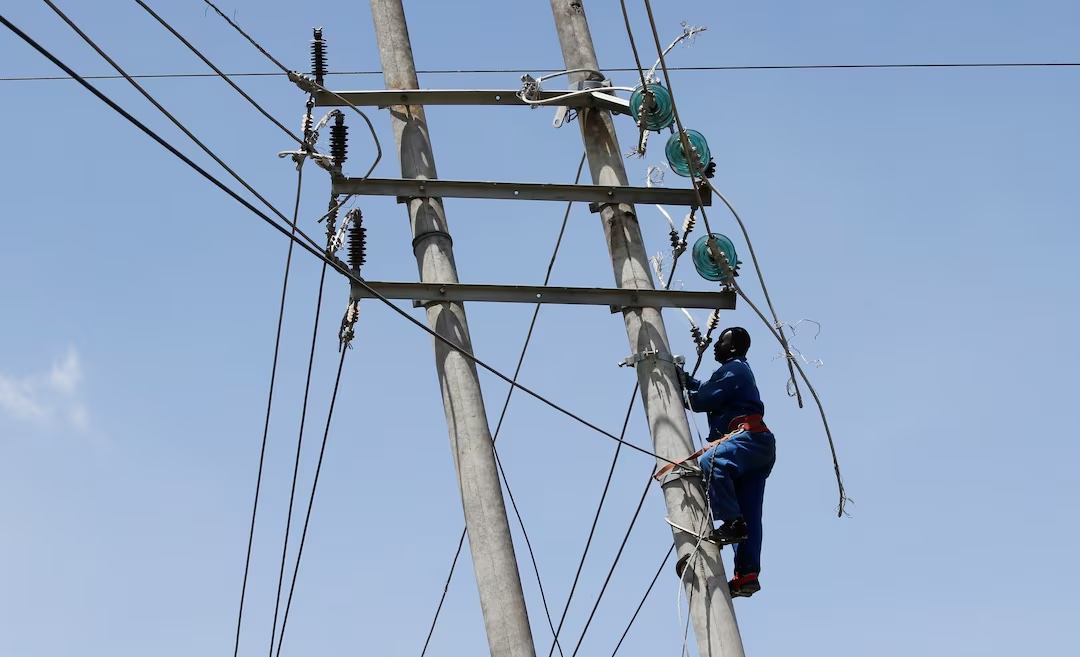
Kenya's electricity demand climbed to a five-year high in the year to June 2026, with peak consumption crossing the 2,500 megawatt mark for the first time as more customers connected to the grid and economic activity increased.
Data from the Energy and Petroleum Regulatory Authority (EPRA) shows peak demand reached 2,514.28 megawatts (MW) on June 29, 2026, an 8.55 per cent increase from the 2,316.22MW recorded in the previous year.
In an update on Tuesday, EPRA said peak demand had increased by 198MW during the period, linking the growth to higher electricity use and the continued expansion of grid connections.
“Growth in peak demand was highest in the period under review, where it grew by 198MW. It also exceeded 2,500MW for the first time in the last five years. The increase in peak demand is attributed to organic load growth and increased electricity connectivity,” it stated.
The rise in demand came as Kenya continued to widen access to electricity while increasing investment in renewable power. According to the International Energy Agency, electricity access in Kenya grew from 37 per cent in 2013 to 79 per cent in 2023, with the country aiming to achieve universal access by 2030.
Electricity generation also recorded strong growth during the period, rising to 15,692.81 gigawatt-hours (GWh) from 14,472GWh in the previous financial year.
The increase of 1,220.82GWh was the largest annual rise recorded during the five-year period covered by the EPRA report.
“The sustained growth in electricity generation was primarily attributed to increased grid connectivity, rising electricity demand, and higher levels of economic activity.”
Renewable sources continued to provide most of Kenya's electricity, accounting for 81.13 per cent of total generation during the year.
Geothermal power contributed the largest share at 40.91 per cent, followed by hydropower at 22.65 per cent and wind power at 12.31 per cent.
Geothermal generation rose to 6,420.51GWh from 5,718.16GWh in the previous year. EPRA linked the increase to additional geothermal capacity from the Menengai project in Nakuru County and higher electricity demand during nighttime hours.
Kenya's growing reliance on renewable power is also part of its wider move towards lower-emission electricity. The IEA says nearly 90 per cent of the country's electricity generation comes from renewable sources, with geothermal, hydropower, wind and solar making up the main sources.
The agency has also pointed to the need for more flexibility, storage capacity and better management of the power grid as renewable generation continues to increase.
Despite the growth in electricity supply and demand, EPRA reported continued problems with reliability and power losses.
System losses stood at 21.38 per cent during the year, an improvement from 23.36 per cent in the previous period but still above EPRA's allowable level of 16.5 per cent.
“This means that for every 100MW generated, only 78.62MW was sold with 21.38MW being lost to technical losses and commercial inefficiencies.”
Customers also experienced longer power interruptions, with the average outage lasting 3.23 hours per incident compared with 2.57 hours in the previous year. The figure was above EPRA's regulatory benchmark of 1.36 hours.
“During the period under review, outages averaged 3.23 hours per incident, reflecting an increase of 0.66 hours (39.6 minutes) from the 2.57 hours per outage registered in the year ending June 2025.”
The average total interruption time for customers also increased, reaching 13.16 hours from 9.24 hours.
May recorded the highest monthly interruption duration at 27.33 hours, while July had the lowest at 7.18 hours.
At the same time, electricity access continued to grow, with 411,710 new customers connected during the year. This pushed the total number of grid-connected customers to 10,432,707.
Kenya's electricity distribution network also grew by 22,532 kilometres to reach 334,157km, representing a 7.23 per cent increase.
The figures show that electricity use and generation are rising alongside wider grid access and economic activity, while the power sector continues to deal with losses and interruptions that affect how reliably electricity reaches consumers.